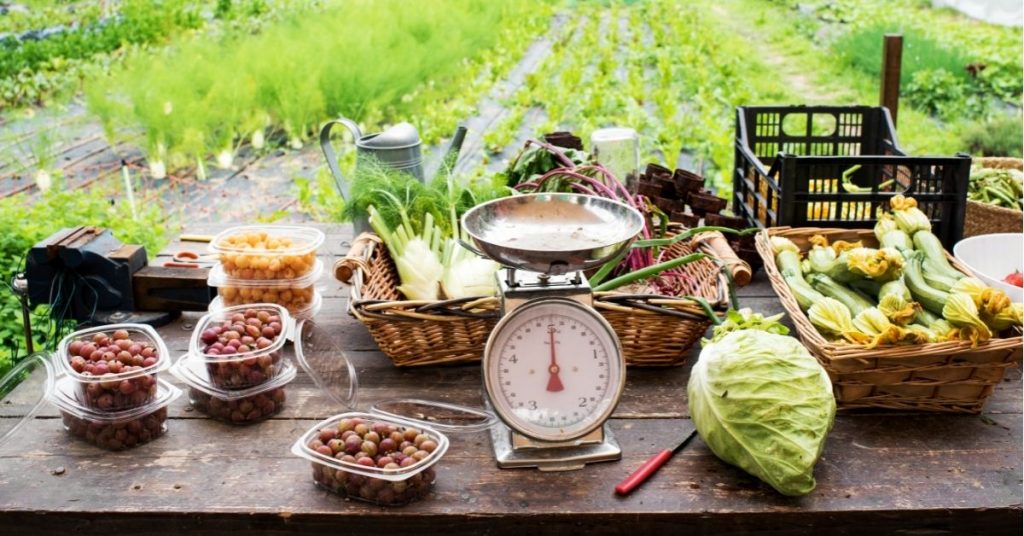

Hey there, picture this: It’s a crisp autumn morning, and I’m out in my old boots, watching the sun peek over the hills as my chickens scratch around in the yard. That first harvest of tomatoes—warm from the vine, bursting with flavor—still makes me grin like a kid. I’ve been knee-deep in hobby farming for over a decade now, turning a scrappy five-acre plot into a little slice of self-sufficiency. It wasn’t always picture-perfect; there were floods, feisty goats, and more than a few “what was I thinking?” moments. But if you’re itching to trade your city commute for some dirt under your nails, stick with me. This isn’t just theory—it’s the real deal from someone who’s learned the hard way what works.
Hobby farming isn’t about going full pioneer overnight. It’s that sweet spot where passion meets practicality, letting you grow food, raise animals, or just reconnect with the land without betting the farm (pun intended) on profits. Think small-scale bliss: maybe a backyard flock for fresh eggs or a veggie patch that cuts your grocery bill. According to the USDA, over a million small operations like these dot the U.S., proving you don’t need endless acres to make it meaningful. But success? That’s in the steps—and the stories of folks who’ve stumbled, dusted off, and thrived. Let’s dive in.
Step 1: Assess Your Resources and Set Realistic Goals
Before you buy that first bag of chicken feed, take a hard look at what you’ve got on hand. I remember staring at my rundown property years ago, wondering if the rocky soil could ever sprout more than weeds. Spoiler: It could, but only after I mapped out my time, budget, and land like a treasure hunt. This step is your foundation—skip it, and you’re building on sand.
Start by jotting down your “why.” Is it fresh eggs for the family, a side hustle selling herbs at the market, or just therapy in the garden? Goals keep you focused. Then, audit your assets: How many hours a week can you spare? What’s your startup cash? And that plot of land—does it get full sun, or is it shaded by ancient oaks? Tools like soil tests from your local extension office (find yours at extension.org) reveal if your dirt’s ready for veggies or better suited to grazing goats. I once ignored a water test and ended up with thirsty crops—lesson learned the dry way.
Real talk: Most hobby farms hum along on 1-10 acres, per experts at Hobby Farms magazine. But size isn’t everything; it’s about matching your dreams to reality. If you’re short on time, skip the dairy cow and go for low-maintenance bees. This assessment isn’t busywork—it’s your roadmap to avoiding burnout.
What Is a Hobby Farm, Anyway?
Ever wondered if that chicken coop in your neighbor’s yard counts as a farm? A hobby farm is basically a small-scale setup run for joy, not a full-time paycheck—think under 50 acres, focused on personal use or light sales. It’s the difference between a commercial operation churning out thousands of pounds of kale and your backyard plot yielding enough for family salads and a farmers’ market table.
Unlike big ag, where profit’s king, hobby farming lets you experiment without the pressure. You might raise a few pigs for pork chops or grow microgreens in raised beds. The key? It’s sustainable on your terms, blending lifestyle with a touch of income. My setup started with just herbs and eggs—now it’s a full micro-farm, but I scaled slow to keep the fun alive.
Pros and Cons of Starting Small
Weighing the ups and downs early saves headaches later. Here’s a quick table to break it down—no sugarcoating.
| Aspect | Pros | Cons |
|---|---|---|
| Lifestyle | Fresh food, exercise, stress relief—nothing beats harvesting your own dinner. | Time suck: Expect weekends lost to chores, plus weather whims like surprise frosts. |
| Finances | Low startup (under $5K for basics), potential side income from eggs or veggies. | Upfront costs add up—fencing, tools—and profits? Often slim without smart sales. |
| Learning | Hands-on skills build confidence; communities like Reddit’s r/homestead share tips. | Steep curve: Pests, diseases, or a sick animal can humble you fast. |
| Impact | Eco-win with sustainable practices; supports local food chains. | Isolation if rural—fewer playdates, longer drives to town. |
Bottom line: The pros shine if you love the dirt, but cons hit hard without a plan. One hobbyist I know traded city stress for goat yoga classes on her land—pure gold. Just don’t romanticize the mud.
Step 2: Choose Your Focus—Plants, Animals, or a Mix?
Once you’ve sized up your setup, pick your stars. I went with chickens first because, let’s face it, fresh eggs are magic. But choosing wrong? That’s like inviting a bull to a china shop. This step turns vague dreams into doable plans, blending what you love with what your land can handle.
Consider your climate and soil—sandy spots suit carrots, not clay-loving potatoes. For animals, think space: Chickens need 10 square feet each outdoors; goats demand more for romping. Research via USDA’s Beginning Farmer resources helps match ideas to your zip code. Start small: One crop row or a handful of birds. My first year, mixing herbs with a coop combo yielded pesto and omelets—double win.
Long-tail tip: If you’re eyeing “raising backyard chickens for beginners,” know they thrive in most zones but hate wet feet. Plants? Go for perennials like berries for low-effort returns. The magic’s in synergy—compost from critters feeds the garden.
Best Beginner-Friendly Options Compared
Not sure where to start? Here’s a comparison of popular picks, based on ease, cost, and yield. Data pulled from real farm trials.
- Vegetable Garden: Low cost ($200 startup), quick harvests (60 days for lettuce). Great for newbies—plant in raised beds to dodge weeds. Yield: Enough for a family of four.
- Backyard Chickens: Moderate cost ($500 for coop/feed), eggs in 6 months. Fun and educational, but noisy neighbors might side-eye. Yield: 200-300 eggs/year per hen.
- Beekeeping: Higher learning curve ($400 hives/tools), honey in year one. Pollinates your plants for free—win-win. Yield: 20-50 lbs honey/hive.
- Goats for Milk/Meat: Higher cost ($1,000 fencing/animals), but dual-purpose. They mow weeds like pros. Yield: 1-2 gallons milk/day per doe.
Veggies edge out for sheer simplicity, but animals add personality. I mixed chickens with a herb garden—chooks till the soil, herbs flavor the eggs. Pure harmony.
Real Story: From City Slicker to Egg Queen
Take Sarah from Vermont—she swapped a desk job for a half-acre hobby farm in 2018. Starting with six hens, she hit snags like a fox raid that wiped half her flock. But pivoting to predator-proof fencing and sharing her mishaps on Instagram built a local following. Now, her eggs sell out at markets, netting $2K yearly. “It’s not fortune,” she laughs, “but biting into my breakfast? Priceless.” Her tip: Journal failures—they’re your best teachers.
Step 3: Plan Infrastructure and Acquire Essentials
With your focus locked, it’s tool time. I once hammered together a wobbly coop with scrap wood—disaster waiting to cluck. Proper setup prevents pricey fixes, turning your plot into a humming haven. Budget 20-30% of startup here; it’s the unglamorous glue holding dreams together.
Sketch a layout: Coops near the house for easy checks, gardens by water sources. Fencing? Non-negotiable for roamers—electric works wonders for goats. Check zoning at your county office; some spots cap animal numbers. For inspo, Treehugger’s hobby farm tips nail the basics.
Shop smart: Used gear from Craigslist saves bucks, but inspect for rust. Water systems? Rain barrels cut bills. My upgrade to drip irrigation slashed weeding by half—game-changer on hot days.
Must-Have Tools for Beginners
No need for a tractor fleet yet. Bullet these essentials, tailored for under-$1K startups:
- Wheelbarrow: Hauls everything—dirt, feed, regrets. Get one with a flat-free tire.
- Post Hole Digger: Fencing foundation; manual beats digging by hand (trust me).
- Pruning Shears: Sharp ones last years; Felco’s a fave for clean cuts.
- Soil Test Kit: $20 at hardware stores—prevents nutrient guesswork.
- Basic Power Tools: Drill and circular saw for builds; cordless for freedom.
For transactional intent, snag these at Tractor Supply or Amazon. I splurged on a flame weeder once—torched weeds like a pro, no chemicals.
Budget Breakdown Table
Here’s a starter table for a 1-acre veggie/chicken setup. Adjust for your scale.
| Item | Estimated Cost | Why It Matters |
|---|---|---|
| Fencing (200 ft) | $300 | Keeps critters in, predators out. |
| Coop/Run Kit | $400 | Shelter basics; DIY to save. |
| Seeds/Starts | $100 | Heirloom varieties for flavor. |
| Tools Bundle | $200 | Covers digging to clipping. |
| Feed/Waterers | $150 | First-month supply. |
| Total | $1,150 | Scalable; add irrigation later. |
This kept my first year under budget—focus on versatile pieces.
Step 4: Launch, Learn, and Iterate
Launch day: Plant those seeds, welcome the chicks. But farming’s a marathon, not a sprint. My inaugural crop drowned in rain—cue tears and replanting. Iteration’s your secret sauce: Track what works, tweak what doesn’t, and celebrate small wins like that first ripe peach.
Join locals via 4-H or Facebook groups for advice. Sell extras at markets for pocket cash—my herb bundles flew off tables. Monitor health: Rotate crops to fend off bugs. And rest—burnout’s real; I schedule “farm-free” Sundays.
As seasons turn, expand thoughtfully. One farmer buddy added bees after year two; pollinators boosted his yields 30%. Patience pays—your farm evolves with you.
Advice You’ll Wish You Heard Sooner
- Humor in the Mud: Lost a goat to wanderlust? Laugh it off—fences fixed it. Lightens the load.
- Emotional Anchor: When doubt creeps, remember the taste of homegrown. It’s therapy on a plate.
- Network Early: Chat with neighbors; one tip saved my tomatoes from blight.
- Scale Smart: Add one thing yearly—avoids overwhelm.
- Track Everything: Journal apps like FarmLogs keep you sane.
These nuggets? Born from blisters and breakthroughs.
People Also Ask: Common Questions on Hobby Farming
Google’s got our backs with these real curiosities—straight from searchers like you. Quick answers to keep you rolling.
How much land do I need for a hobby farm?
Typically 1-10 acres suffices for basics like a garden and a few animals. Even a quarter-acre works for urban setups—focus on intensive planting.
What animals are best for beginners?
Chickens top the list for eggs and ease; start with 4-6. Ducks follow for pest control, but they’re messier swimmers.
How do I make money on a hobby farm?
Sell surplus at markets or via CSAs—eggs fetch $4/dozen. Agritourism like farm tours adds fun revenue without scaling big.
Is hobby farming profitable?
Not usually as a main gig, but side income’s realistic: $1K-5K/year from crafts or produce. Treat it like a passion project first.
What are common mistakes to avoid?
Overbuying animals or ignoring soil health. Start small, test water, and fence thoroughly—predators don’t RSVP.
FAQ: Your Burning Questions Answered
Pulled from forums and chats—these pop up everywhere. Let’s clear the air.
Do I need an LLC for my hobby farm?
Not if it’s truly hobby-scale and non-profit driven. But if selling produce, check local rules—simple sole proprietorship often suffices for tax ease.
How often should I expect to work on my farm?
Daily checks (30 mins) plus weekends (4-6 hours). Chickens need feeding; gardens, weeding. Automate watering to free up time.
What’s the biggest startup cost?
Fencing and shelter—$500-2K. Skimp here, pay later in escapes or repairs. Grants via USDA can offset.
Can I start with no experience?
Absolutely—books like “The Joy of Hobby Farming” and extensions guide you. My first coop? A YouTube tutorial. Hands-on trumps theory.
How do I handle pests organically?
Companion planting (marigolds with tomatoes) and neem oil. Introduce beneficial bugs like ladybugs—nature’s bouncers.
There you have it—your blueprint to a hobby farm that feeds body and soul. I started skeptical, knee-deep in mud and doubt, but now? Mornings with coffee and clucks feel like winning the lottery. You’ve got the steps; now grab a shovel. What’s your first move? Drop a comment—let’s chat dirt.