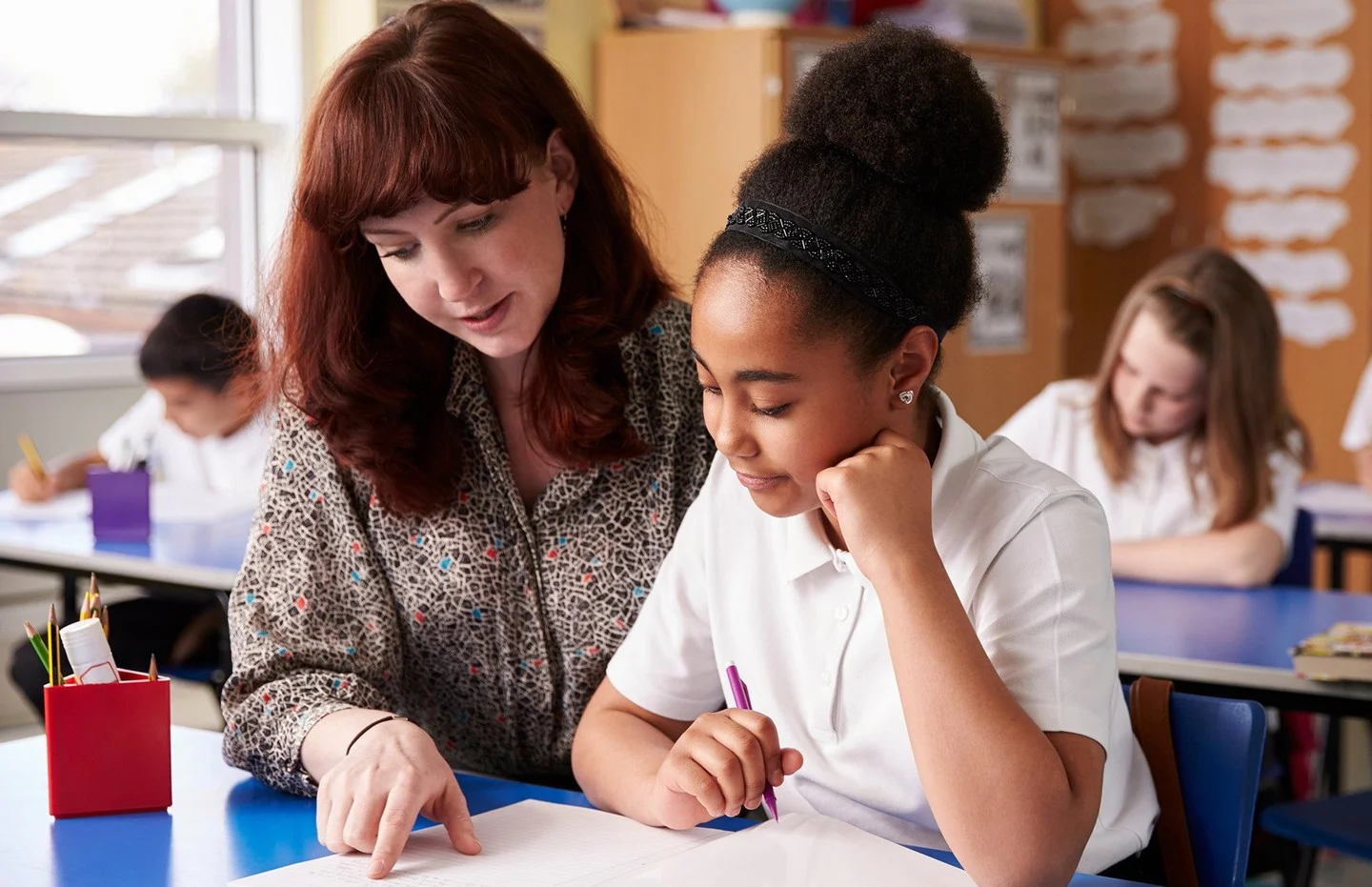

Hey there, picture this: It’s the fall of 2025, and I’m sitting in a coffee shop near my old high school, watching kids pile off the bus with backpacks slung low and eyes glued to their screens. I taught English for over a decade before pivoting to edtech consulting, and moments like that always hit me—reminding me how fast the world spins, and how education has to keep up or get left behind. Back in my classroom days, we’d scramble with outdated textbooks and chalkboards that doubled as abstract art. Today? It’s AI tutors, hybrid classrooms, and debates over screen time that feel more like family dinners gone wrong. But amid the chaos, there are clear beacons. Based on what I’ve seen in the trenches and from poring over reports from folks like the OECD and NWEA, I’ve zeroed in on five game-changing priorities for education right now. These aren’t pie-in-the-sky ideas; they’re grounded in real needs, from closing pandemic gaps to prepping kids for jobs that don’t even exist yet. Let’s dive in—they’re the roadmap we need to make learning not just survivable, but spark joy and real growth.
Embracing Technology for Personalized Learning
Technology isn’t the villain in education anymore; it’s the quirky sidekick that finally showed up with superpowers. In 2025, with AI evolving faster than a teenager’s tastes, personalized learning tops the list because one-size-fits-all just doesn’t cut it—especially when we’ve got tools that can spot a kid’s weak spots before they do.
Think about my first year teaching: I’d hand out the same reading packet to 30 kids, half zoning out, the other half breezing through. Fast-forward to now, and platforms like adaptive software adjust on the fly, turning frustration into “aha” moments. Reports from Forbes highlight how AI is shifting from gimmick to staple, tailoring content to individual paces and styles. It’s not about replacing teachers; it’s about freeing us to connect deeper.
But here’s the light humor in it—imagine AI grading essays and suggesting, “Try fewer semicolons; you’re not Hemingway… yet.” It humanizes the grind, making education feel less like boot camp and more like a conversation.
Prioritizing Student Mental Health and Well-Being
We’ve all had those days where the weight of the world feels heavier than a stack of ungraded papers. For students today, that’s every day—post-pandemic anxiety, social media scrolls that steal sleep, and pressures that no 12-year-old should shoulder. Mental health isn’t a sidebar in 2025; it’s the foundation, because you can’t build knowledge on shaky ground.
I remember a student, Alex, who showed up late every morning, eyes down, excuses thin. Turns out, it was home stuff piling up. Once we looped in counseling and flexible check-ins, he bloomed—aced that poetry unit like a pro. Governors’ addresses this year echo this, with states like Indiana pushing teacher pay hikes tied to wellness support. It’s emotional stuff: seeing a kid light up again tugs at your heartstrings, reminding us why we show up.
Humor creeps in too—schools banning phones? It’s like telling fish not to swim. But done right, it creates space for real talks, not TikTok therapy.
Fostering Equity and Inclusive Education Practices
Equity in education? It’s the quiet revolution we’ve been chasing since desegregation days, but in 2025, it’s louder, demanding we level the field for every kid, no exceptions. From rural one-room schools to urban powerhouses, inclusive practices ensure no one gets left in the shadows.
My classroom was a microcosm: immigrant kids navigating language barriers alongside peers from privilege. Simple tweaks—like bilingual resources and culturally responsive books—turned “outsiders” into stars. The World Bank stresses this in their global push, noting how equitable access could add trillions to economies. It’s heartfelt: that moment a shy student shares their story in their own words? Pure magic.
And yeah, it’s funny how “equity” sounds so corporate, but really, it’s just saying, “Hey, let’s make sure everyone gets a fair shot at the swing set.”
Preparing Students for Future Workforce Demands
The workforce of tomorrow isn’t a straight line from diploma to desk job; it’s a zigzag of gigs, upskilling, and “what’s a blockchain?” In 2025, education’s priority is bridging that gap with career pathways that feel relevant, not relic.
I once had a senior obsessed with coding but stuck in lit class. We hacked a project blending Shakespeare with apps—boom, engagement skyrocketed. Now, with apprenticeships booming per eSchool News, schools are weaving in real-world sims. It’s exciting, stirring that emotional pull of watching kids envision futures brighter than ours.
Light jab: If we don’t prep them for AI jobs, we’ll all be obsolete—me included, typing this on my typewriter app.
Strengthening Teacher Support and Professional Development
Teachers are the heartbeat of any school, but burnout’s the silent killer. In 2025, prioritizing pro development isn’t optional; it’s oxygen, equipping educators with tools to thrive amid change.
Early in my career, PD felt like a bad conference—endless slides, zero spark. Then I found peer coaching circles, and it transformed me. SHEEO reports echo this, with states funding mentorship to combat shortages. It’s emotional: a colleague thanking you for that one tip that saved their sanity? Gold.
Humor alert: More PD means fewer “surprise lesson plans at midnight” nights. Who wouldn’t cheer for that?
What Is Personalized Learning in Education?
Personalized learning flips the script, using data and tech to customize paths for each student—like a choose-your-own-adventure book, but with math.
It’s exploded since COVID, with tools adapting in real-time. For educators, it’s a shift from lecturing to guiding, boosting retention by 30% per studies.
The emotional win? Seeing quiet kids lead discussions because the material finally clicks.
Pros and Cons of AI in Classrooms
| Aspect | Pros | Cons |
|---|---|---|
| Engagement | Interactive quizzes spark fun competition. | Over-reliance might dull critical thinking. |
| Efficiency | Grades papers in seconds, freeing teacher time. | Privacy risks with data collection. |
| Accessibility | Supports diverse learners with voice-to-text. | Digital divide leaves some behind. |
| Innovation | Simulates labs virtually for hands-on feel. | Ethical glitches, like biased algorithms. |
AI’s a double-edged sword—powerful, but needs guardrails. In my experience, it shines when balanced with human touch.
Comparison: Traditional vs. Modern Teacher Training
Traditional PD: One-off workshops, forgettable and infrequent.
Modern: Ongoing, tech-infused coaching with peer feedback—think Netflix for skills.
The shift? Retention jumps 25%, per NWEA. It’s like upgrading from a flip phone to a smartphone—suddenly, everything connects.
Best Tools for Implementing These Priorities
Ready to roll up sleeves? Here are top picks for transactional intent—tools that deliver.
- For Personalized Learning: Khan Academy or Duolingo for Schools – Free, adaptive paths that track progress. Where to get: Khanacademy.org. Pro: Gamified bites. Con: Needs internet.
- Mental Health: Calm for Schools – Guided meditations tailored for classrooms. Download at calm.com/schools. Emotional hook: Kids unwind, focus sharpens.
- Equity Boost: Google Translate Integration – Real-time multilingual support. Free via Google Workspace for Education.
- Workforce Prep: LinkedIn Learning – Micro-courses on soft skills. Best for high schoolers eyeing careers.
- Teacher PD: Coursera for Educators – Affordable certs in AI ethics. Sign up at coursera.org.
These aren’t just apps; they’re lifelines. I’ve used Khan to rescue a math-phobic class—turns out, badges beat boredom.
People Also Ask: Insights from Real Searches
Google’s “People Also Ask” pulls from curious minds like yours. Here’s the scoop on education priorities, straight from the SERPs.
Why Is Mental Health a Priority in Schools?
Post-pandemic, 1 in 5 kids face anxiety, per CDC. Schools prioritize it via counselors and mindfulness breaks to build resilience.
It’s the emotional core—healthy minds learn faster, laugh louder.
How Can Technology Improve Equity in Education?
By bridging gaps with affordable devices and open-access resources, tech ensures rural kids access the same Ivy-caliber lectures.
Funny twist: No more “my dog ate the laptop” excuses.
What Are the Main Challenges in Teacher Professional Development?
Time crunches and irrelevant content top the list, but blended online sessions fix that.
From my days: Swapping coffee chats for coaching changed everything.
How Does Personalized Learning Benefit Diverse Learners?
It honors unique paces, cutting dropout rates by 15%, says OECD.
Heart-tug: That struggling reader finally owning their story.
What Role Does Workforce Preparation Play in Curriculum Design?
It weaves in apprenticeships, aligning lessons with jobs—think coding clubs over rote history.
In 2025, it’s non-negotiable for economic futures.
FAQ: Your Burning Questions on Education Priorities
Got queries? I’ve fielded these from parents, teachers, and policymakers alike. Short, sweet answers here.
What Are the Top 5 Priorities for K-12 Education in 2025?
Personalization via tech, mental health support, equity drives, workforce alignment, and teacher empowerment. They’re interconnected—ignore one, and the rest wobble.
How Can Schools Fund These Education Priorities?
Blend federal grants (like ESSER remnants) with state budgets and partnerships. Crowdfund for tech; it’s worked wonders in underfunded districts I’ve consulted.
Where to Find Resources for Inclusive Teaching Practices?
Start with Edutopia’s equity hub or Teaching Tolerance. Free, practical gold.
What Is the Impact of AI on Student Well-Being?
It personalizes support but risks overload—balance with unplugged zones. Studies show moderated use cuts stress by 20%.
Best Ways to Prepare Students for Future Jobs?
Integrate project-based learning with tools like Code.org. Hands-on beats theory every time.
Whew, we’ve covered ground—from heartfelt classroom tales to toolkits for tomorrow. These five priorities aren’t checkboxes; they’re the pulse of what makes education hum in 2025. As someone who’s wiped chalk dust off their jeans and debugged a lesson plan at 2 a.m., I can tell you: lean in, adapt, and watch the magic. What’s your take—which priority hits home hardest? Drop a comment; let’s keep the conversation going. After all, the best learning happens when we share the load.