
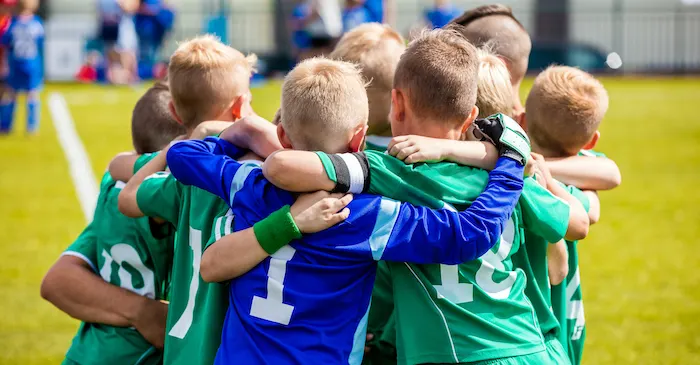
Hey there, parent or guardian—picture this: It’s a crisp Saturday morning, and your kid’s out on the field, cheeks flushed, laughing through a muddy tumble during soccer practice. That grin? It’s not just from the goal they scored (or didn’t). It’s the spark of something bigger—confidence blooming, friends high-fiving, a sense of belonging that sticks with them long after the whistle blows. As a dad who’s coached little league and watched my own two navigate the chaos of team sports, I can tell you firsthand: Youth sports aren’t just games. They’re life lessons wrapped in cleats and camaraderie. If you’re wondering about the real perks of getting your child involved in organized sports like soccer, basketball, or swimming, you’re in the right spot. Today, we’re diving into nine game-changing benefits, backed by solid research and a few stories from the sidelines that might just make you lace up those sneakers for sign-up day.
Benefit 1: Boosts Physical Health and Fitness
Getting kids moving through youth sports is like giving their bodies a tune-up they didn’t know they needed. Regular play builds strong muscles, bones, and hearts while keeping obesity at bay—think lower body fat and better cardio endurance that sets them up for a lifetime of vitality.
I remember my son, at age 8, huffing through his first baseball season. He started out dodging grounders like they were dodgeballs, but by summer’s end, he was sprinting bases without a second thought. Studies from the Centers for Disease Control and Prevention (CDC) back this up: Kids in sports are far less likely to face heart issues or diabetes down the road. It’s not about turning them into pros; it’s about planting seeds for healthy habits.
- Cardiovascular gains: Sports like soccer ramp up heart rate, slashing risks of chronic diseases by up to 30%, per NIH research.
- Bone and muscle strength: Weight-bearing activities in basketball or gymnastics fight osteoporosis later in life.
- Weight management: Active kids maintain healthier BMIs, with one study showing participants five times more likely to stay fit as adults.
Long-Term Health Perks
The magic doesn’t fade post-season. Youth sports participation correlates with lower cancer and stroke risks in adulthood, thanks to those early endorphin highs and routine check-ins with their own limits.
My neighbor’s daughter, now in college, credits her track days for keeping her active amid late-night study sessions. It’s emotional, too—watching them push past “I can’t” feels like cheering on their future selves.
Benefit 2: Enhances Mental Health and Emotional Resilience
In a world of screens and stress, youth sports act like a reset button for young minds. They cut down on anxiety and depression symptoms, fostering self-esteem through small wins and team support that builds emotional armor.
During my daughter’s swim team phase, she hit a rough patch with school bullies. But gliding through laps, celebrating personal bests, turned her frown upside down. Research from Project Play echoes this: One in four parents noted mental health dips without sports during COVID lockdowns, but rebounds were swift upon return. It’s that endorphin rush plus the “we got this” vibe.
Humor alert: Ever seen a kid melt down over a missed shot, only to hug it out with teammates? That’s resilience in action—learning loss isn’t the end, just a plot twist.
- Stress relief: Exercise rivals antidepressants for teens, with effects lasting longer, says a Journal of Adolescent Health study.
- Self-confidence boost: Achieving goals on the field spills over to tackling homework or friend drama.
- Lower suicide risk: CDC data links vigorous activity to halved hopelessness in adolescents.
Building Emotional Tools
These aren’t just feel-good moments; they’re tools for life. Sports teach kids to regulate emotions, turning potential breakdowns into breakthroughs.
One coach I know jokes that his team’s “debrief huddles” are basically free therapy sessions—vent, learn, grow.
Benefit 3: Improves Social Skills and Teamwork
Nothing bonds like a shared sweat. Youth sports throw kids into a mix of personalities, teaching them to communicate, collaborate, and cheer—skills that shine in school groups or future jobs.
My boy’s flag football team was a United Nations of 10-year-olds: shy ones, show-offs, all meshing by mid-season. A Scripps Health report highlights how this builds empathy and sportsmanship, creating lifelong networks. It’s less “me” and more “us.”
Picture the awkward high-fives turning into inside jokes—pure gold for social butterflies in training.
- Friendships forged: 65% of parents see social life perks, per surveys.
- Conflict resolution: Learning to pass the ball (or glory) hones negotiation.
- Inclusivity lessons: Diverse teams mirror real-world variety, boosting tolerance.
Community Connections
Beyond the field, these ties extend to neighborhoods, reducing isolation. It’s heartwarming to see ex-teammates reunite years later, stories flowing like old times.
Benefit 4: Sharpens Academic Performance
Who says sports and straight A’s can’t coexist? Far from distracting, they sharpen focus, time management, and grit—turning C-students into scholars.
I once had a player who juggled algebra and archery; her grades soared as she learned to prioritize. The Aspen Institute reports athletes score 40% higher on tests and are 15% more likely to attend college. It’s the discipline of drills translating to desk work.
Light humor: Coaches yelling “Hustle!” might not fly in math class, but the mindset does.
- Better grades: 97% of high school athletes graduate vs. 87% non-athletes.
- Cognitive perks: Repetition builds memory and problem-solving.
- Goal-setting: Season targets mirror study plans.
Study Habits Honed
This isn’t coincidence; it’s correlation with higher earnings—7-8% more for former players. Imagine your kid acing finals, then the field—best of both worlds.
Benefit 5: Teaches Discipline and Goal-Setting
Sports demand showing up, even on rainy Tuesdays. This instills routines, perseverance, and the thrill of checking off milestones—blueprints for adult success.
My first coaching gig? A ragtag soccer squad that missed more practices than they made. But setting “team goals” like perfect attendance turned them around. NIH studies link this to reduced risky behaviors like smoking. It’s not drudgery; it’s empowerment.
Ever laughed at a kid’s “victory dance” for tying their cleats? Small wins build big habits.
- Time management: Balancing practice and play teaches calendars early.
- Perseverance: Pushing through slumps mirrors life’s hurdles.
- Accountability: Letting teammates down? Motivates better choices.
Lifelong Drive
These skills stick, fueling careers and passions. One ex-player told me sports taught her to “aim high, adjust low”—wise words.
Benefit 6: Fosters Leadership and Responsibility
Captains aren’t born; they’re made on the pitch, leading huddles or hyping benchwarmers. Youth sports spotlight these roles, nurturing voices that command respect.
I watched my daughter evolve from quiet follower to team captain in volleyball—organizing drills, boosting morale. Project Play notes 81% of parents value this discipline transfer. It’s quiet power in action.
Humor twist: Nothing says “leader” like wrangling kids for a water break without bribes.
- Decision-making: Calling plays hones quick thinking.
- Mentorship: Older kids guiding young ones builds empathy.
- Volunteer spirit: Many return as coaches, giving back.
Emerging Voices
This ripple effect? Stronger communities. It’s emotional seeing that shy kid step up, owning their space.
Benefit 7: Promotes Healthy Risk-Taking and Confidence
Jumping for a rebound or diving for a catch? That’s calculated courage, teaching kids to try, fail, and try again—building unshakeable belief.
My son’s skateboarding phase (post-soccer) had epic wipeouts, but each “up you go” rebuilt his nerve. A PMC review ties this to lower depression rates. It’s not recklessness; it’s growth.
Who hasn’t chuckled at a kid’s overzealous slide into home? Adorable, and oddly inspiring.
- Self-efficacy: Mastering skills screams “I can do hard things.”
- Adaptability: Switching sports keeps options open.
- Body awareness: Understanding limits prevents burnout.
Fearless Futures
Confidence from the court carries everywhere—tryouts, presentations, life. Heart-tugging? Absolutely.
Benefit 8: Reduces Risky Behaviors
Team bonds and busy schedules? Natural deterrents to trouble. Sports kids smoke less, skip booze, and steer clear of drugs—channeling energy positively.
Coaching middle schoolers, I saw cliques form around cleats, not corners. CDC’s Youth Risk Behavior Survey shows vigorous activity halves suicide ideation. It’s subtle protection.
Joke: Practices beat parties—fewer regrets, more reps.
- Substance avoidance: 20-30% lower tobacco/alcohol use.
- Better choices: Peers influence positively.
- Routine anchor: Fills idle time productively.
Safer Paths
Parents sleep easier knowing sports safeguard hearts and habits. Pure relief.
Benefit 9: Builds Lifelong Friendships and Community Ties
From carpool chatter to wedding invites, sports sow seeds of enduring bonds. They weave kids into community fabric, fostering belonging that lasts.
My old teammates? Still my go-to for barbecues, 20 years on. UN reports highlight sports’ role in tolerance and peace-building. It’s family, found.
Emotional pull: That post-win group hug? Magic in motion.
- Diverse networks: Crossing class lines boosts “economic connectedness.”
- Civic engagement: Higher volunteer rates later.
- Parental perks: Shared sidelines strengthen family ties.
Enduring Bonds
These connections? Priceless anchors. Stories like these make the chaos worthwhile.
Pros and Cons of Youth Sports Participation
| Aspect | Pros | Cons |
|---|---|---|
| Physical | Builds fitness, prevents obesity | Risk of overuse injuries if over-specialized |
| Mental | Boosts confidence, reduces stress | Pressure from wins can spike anxiety |
| Social | Forges friendships, teaches teamwork | Cliques or exclusion if not inclusive |
| Time | Instills discipline | Scheduling conflicts with family/school |
| Cost | Affordable community options | Travel teams add expenses |
Overall, pros dominate when balanced—focus on fun over frenzy.
Comparison: Team Sports vs. Individual Sports
Team sports like soccer excel in social bonding but demand coordination; individual ones like swimming shine for personal pacing and focus. A PMC meta-analysis shows both yield health wins, but teams edge in mental health perks. Pick based on your kid’s vibe—extrovert? Team. Introvert? Solo with cheers.
- Team (e.g., Basketball): High teamwork, moderate injury risk, great for extroverts.
- Individual (e.g., Tennis): Builds independence, lower contact injuries, suits self-starters.
People Also Ask
What are the health benefits of youth team sports?
Youth team sports torch calories, fortify hearts, and slash diabetes risks while easing mental loads—think better sleep and happier moods. Scripps Health notes they’re as potent as meds for teen depression, with lasting adult glow.
How do sports improve academic performance in kids?
By honing focus and grit, sports kids graduate at 97% rates vs. 87% for non-players, per Edutopia. They juggle drills and deadlines, scoring 40% higher on tests—discipline doubles as study smarts.
What age should kids start organized sports?
Around 5-6 for fun intros like t-ball; full leagues by 8-10 when coordination clicks. Nemours KidsHealth advises matching maturity—too early? Burnout. Right time? Lifelong love.
Are there risks to early sports specialization?
Yes—higher injury odds and dropout rates, says AAP. Sampling multiple sports till 12 builds versatility; specialize later for peak performance without pitfalls.
How can sports help with childhood obesity?
By burning 500+ calories per session and curbing screen time, sports drop obesity risks 20-30%. CDC pushes 60 daily minutes—leagues make it stick, turning couch potatoes into champs.
Where to Get Your Kid Enrolled in Youth Sports
Ready to dive in? Start local—community centers or schools often host free trials. For nationwide ease, check i9 Sports for multi-sport leagues or Skyhawks for camps blending fun and skills. Not sure? Project Play’s parent resources guide you to inclusive options, ensuring every kid finds their fit without the frenzy.
Best Tools for Supporting Young Athletes
Gear up smart: Affordable starters like adjustable shin guards or multi-use balls from Dick’s Sporting Goods keep costs low. For tracking progress, apps like TeamSnap organize schedules—transactional win for busy parents. And don’t skip nutrition: Simple meal prep kits from HelloFresh fuel those post-practice hungers.
FAQ
What is the ideal number of sports for a child to play?
Aim for 2-3 per year till age 12 to sample skills without burnout. This diversification cuts injury risk by 40%, per NIH, while sparking passions—let them lead the lineup.
How much does youth sports participation cost on average?
Nationally, $100-500 per season for rec leagues, spiking to $1,000+ for travel. Seek scholarships via Project Play to level the field—value over price tag.
Can shy kids thrive in team sports?
Absolutely—many bloom through gentle encouragement. Start with smaller groups; 70% report boosted confidence, says a PMC review. Coaches like patient guides turn wallflowers into stars.
What if my child wants to quit sports midway?
Listen first—explore why without judgment. Often, tweaks like switching teams revive joy. Stats show quitters rebound 60% of the time with support, keeping those benefits alive.
How do I know if sports are right for my kid?
Watch their eyes light up during play. If it’s joy over pressure, yes. CDC recommends 60 minutes daily activity; sports fit perfectly if fun leads.
Whew, that’s the whistle on our deep dive. From stronger bodies to unbreakable spirits, these nine benefits remind us: Youth sports participation for kids isn’t a checkbox—it’s a launchpad. My own kids’ stories? Proof in the pudding (or the post-game ice cream). What’s holding you back? Grab that registration form; your little MVP awaits.