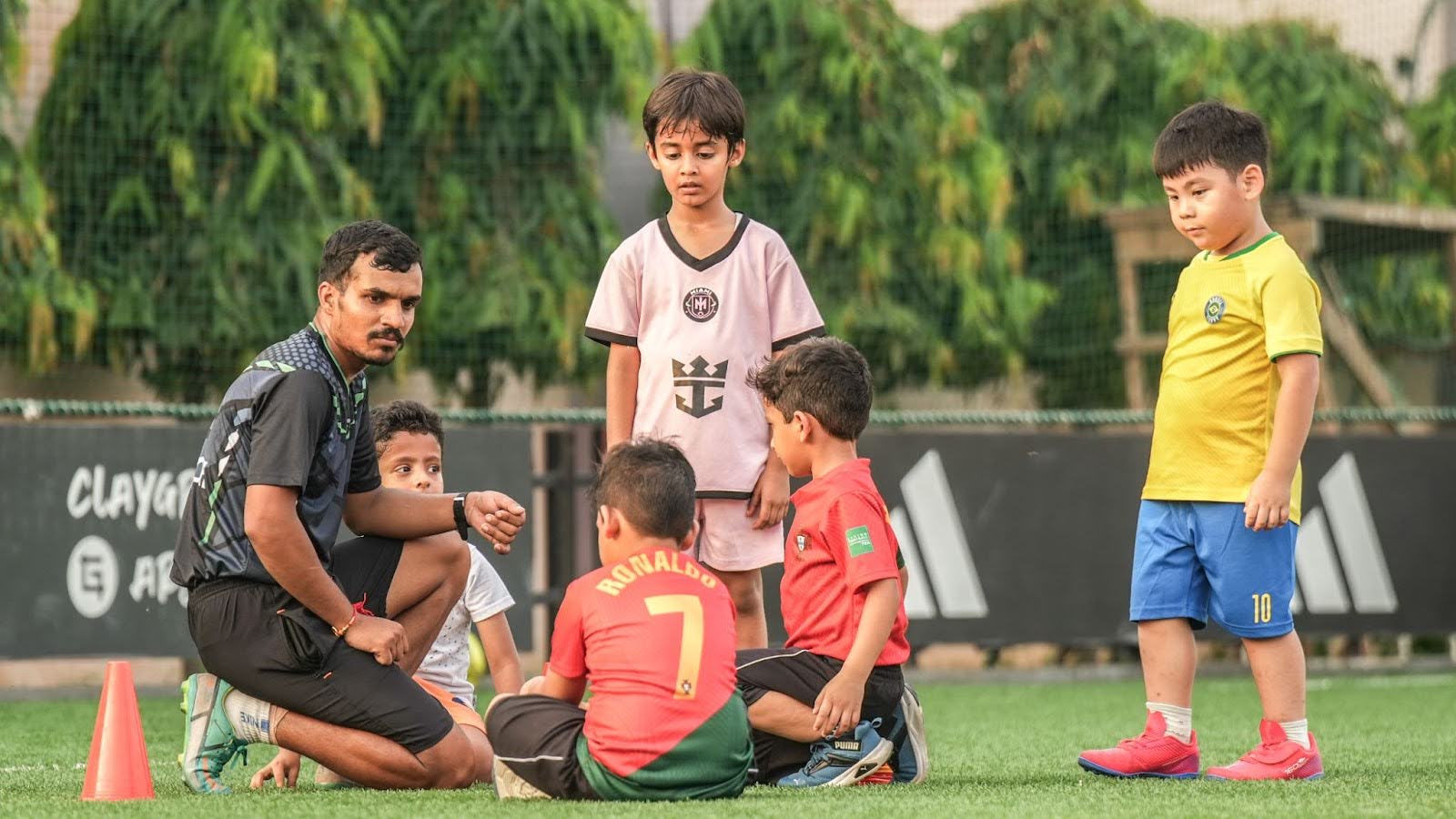
Imagine lacing up your sneakers for a morning run, feeling that rush of endorphins, and knowing you could turn that passion into a career. That’s what drew me to sports sciences years ago—I was a high school athlete dreaming of coaching pros or designing training programs. A Bachelor of Science in Sports Sciences and Physical Education blends the thrill of athletics with solid science, preparing you to boost performance, promote health, and even teach the next generation. Whether you’re eyeing coaching gigs or wellness roles, this degree opens doors in a world obsessed with fitness.
What Is a BS in Sports Sciences and Physical Education?
This undergraduate program dives into the science behind movement, training, and human performance while emphasizing physical education principles like teaching and coaching. It’s typically a four-year degree covering anatomy, physiology, nutrition, and sports psychology, often with hands-on labs and internships. Think of it as the bridge between gym sessions and real-world impact—grads emerge ready to analyze athlete data or lead community fitness initiatives. In places like Pakistan or the US, it’s tailored to local needs, from elite sports to public health.
Why Pursue This Degree?
I chose this path after injuring my knee in soccer and realizing how little I knew about recovery—sports sciences gave me the tools to prevent that for others. It’s ideal if you love science but crave practical application, blending theory with fieldwork. Graduates often report higher job satisfaction in dynamic roles, and with rising demand for wellness experts, it’s a smart bet for long-term stability. Plus, the field’s evolution with tech like wearables keeps things exciting, never boring.
Core Curriculum Breakdown
The curriculum mixes foundational sciences with specialized sports topics, ensuring a well-rounded education. Expect classes on everything from biomechanics to event management, with practical components like coaching practicums. Programs vary by university, but they all aim to build skills in assessment, training design, and injury prevention—essential for any fitness pro. My own studies included dissecting muscle responses to exercise, which felt like unlocking a puzzle.
Exercise Physiology
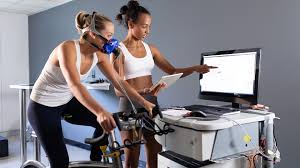
This cornerstone course explores how the body adapts to physical stress, covering energy systems and cardiovascular responses. You’ll learn why interval training builds endurance and how altitude affects performance—fascinating stuff that directly applies to athletes. In labs, we measured VO2 max, turning theory into tangible results that stick with you.
Sports Nutrition
Here, you’ll study fueling for peak performance, from macronutrients to hydration strategies. It’s not just dieting; it’s science-backed advice on timing meals for recovery. I once helped a teammate tweak his carb intake before a big game, and seeing the energy boost was rewarding—proves how small changes yield big wins.
Biomechanics and Kinesiology
These subjects analyze movement mechanics, using physics to optimize techniques and reduce injury risk. You’ll break down a golf swing or sprint stride with tools like force plates. It’s geeky fun, blending math with motion, and crucial for roles in rehab or performance coaching.
Typical courses in a BS program might include:
| Course Category | Examples | Focus Areas |
|---|---|---|
| Foundational Sciences | Anatomy, Physiology, Biochemistry | Body systems and functions |
| Sports-Specific | Training Methods, Sports Psychology | Performance enhancement and mental prep |
| Education-Focused | Teaching Physical Education, Curriculum Development | Pedagogy for schools and communities |
| Practical | Internships, Research Projects | Hands-on application and data analysis |
Career Opportunities in Sports Sciences
With this degree, doors swing open to roles blending passion and profession. From coaching elite athletes to corporate wellness consulting, prospects are diverse and growing—think salaries starting around $45,000 for trainers, climbing with experience. I started as a fitness instructor post-grad, and it led to consulting for local teams; the variety keeps burnout at bay. Demand spikes in health sectors, especially post-pandemic.
- Athletic Trainer: Prevent and rehab injuries for teams or clinics.
- Sports Coach: Develop programs for schools, clubs, or pros.
- Fitness Specialist: Design wellness plans for gyms or corporations.
- Physical Education Teacher: Inspire kids in K-12 settings (often needs certification).
- Sports Nutritionist: Advise on diets for optimal performance.
For more on paths, check out resources from the National Strength and Conditioning Association.
Top Universities for the Program
Selecting the right school sets your foundation—look for accredited programs with strong labs and industry ties. In the US, spots like University of Michigan or Texas A&M shine for kinesiology-focused tracks; internationally, University of Lahore offers robust BS SSPE options. I visited a few open houses, and the ones with active alumni networks felt most promising. Research admissions via sites like QS Rankings for Sports Subjects.
- University of South Carolina: Top-ranked for research in exercise science.
- Brooklyn College: Affordable BS in Exercise Science with pre-health tracks.
- Punjab University: Comprehensive curriculum for BS SSPE, emphasizing practicals.
Where to get started? Visit university portals or platforms like College Factual for comparisons.
Sports Science vs. Physical Education: Key Differences
While overlapping, sports science leans scientific—think data-driven performance tweaks—versus physical education’s focus on teaching and broad activity promotion. A sports science track might dive into lab research, while PE emphasizes classroom management. I switched from PE to sports science mid-degree for the tech angle; it suited my analytical side better. Both value movement, but choose based on your goals: science for elite training, education for inspiring youth.
| Aspect | Sports Science | Physical Education |
|---|---|---|
| Core Focus | Physiology, biomechanics, nutrition | Teaching methods, curriculum design |
| Career Lean | Performance coaching, research | School teaching, community programs |
| Skills Emphasized | Data analysis, injury prevention | Pedagogy, group instruction |
Pros and Cons of the Degree
Every path has upsides and hurdles—this degree shines in passion alignment but demands physical commitment. Pros include versatile skills transferable to health fields; cons might involve competitive entry-level jobs. During my internship, the pros outweighed the long hours, especially seeing clients transform. It’s worth it if you’re hands-on and resilient.
Pros:
- High job demand in fitness and health sectors.
- Hands-on learning builds real-world expertise.
- Opportunities for travel with teams or events.
- Promotes personal health—bonus for lifelong athletes.
Cons:
- May require certifications for advanced roles.
- Physically demanding coursework and internships.
- Variable starting salaries depending on location.
Best Tools for Sports Science Students
Gear up with essentials that enhance learning and practice—transactional picks for efficiency. From apps tracking metrics to basic lab tools, these boost your edge. I relied on a simple heart rate monitor during studies; it made data collection a breeze. For budgets, start with free software before investing.
- Fitness Trackers (e.g., Fitbit or Garmin): Monitor heart rate, steps, and sleep for real-time biofeedback.
- Analysis Software like Kinovea: Free tool for video motion breakdown—great for biomechanics homework.
- AI Apps (e.g., for performance prediction): Emerging tools analyze training data; check reviews on sites like Global Performance Insights.
People Also Ask
Drawing from common searches, here’s what folks often wonder about sports science degrees. These questions pop up in Google results, reflecting real curiosities from aspiring students.
What can you do with a sports science degree?
Roles span coaching, therapy, and research—versatile for fitness pros or academics. Many grads enter wellness consulting, with paths to grad school in PT or nutrition.
Is a sports science degree worth it?
Absolutely if you love the field; it builds transferable skills like analysis and communication, leading to fulfilling careers amid growing health awareness.
What’s the difference between sports science and exercise science?
Sports science targets athletic performance and coaching, while exercise science emphasizes health, rehab, and general fitness—subtle but key for career choice.
How long is a BS in sports sciences?
Usually four years, including labs and internships, though some accelerated options exist for dedicated students.
FAQ
What jobs can I get with a BS in Sports Sciences and Physical Education?
Common roles include athletic trainer, coach, or PE teacher—many start in fitness centers before specializing. Advanced certs like CSCS open higher-paying doors.
Do I need prior athletic experience?
Not always, but it helps—programs value passion over perfection. I wasn’t a star athlete, but enthusiasm got me in and thriving.
What’s the job outlook like?
Strong, with growth in sports and health sectors; expect opportunities in schools, teams, and corporate wellness as obesity rates rise.
Can this lead to medical fields?
Yes, pre-health tracks prepare for PT, OT, or med school—pair with sciences for grad entry.
How much does the degree cost?
Varies by school—public unis around $10K-20K/year in-state; check financial aid. Worth every penny for the ROI in dynamic careers.
This degree isn’t just paper—it’s a launchpad for lives shaped by movement. If it sparks something in you, dive in; the field needs more innovators like us who blend heart with science. For deeper dives, explore internal resources on career planning in fitness.