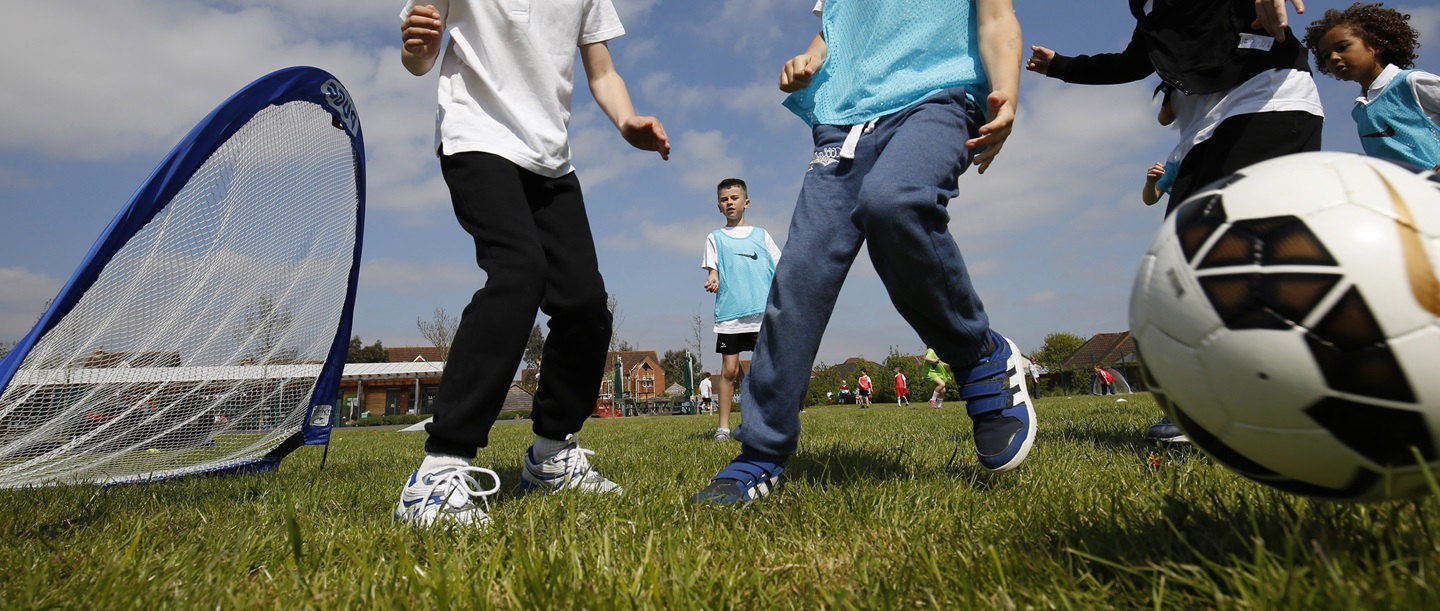
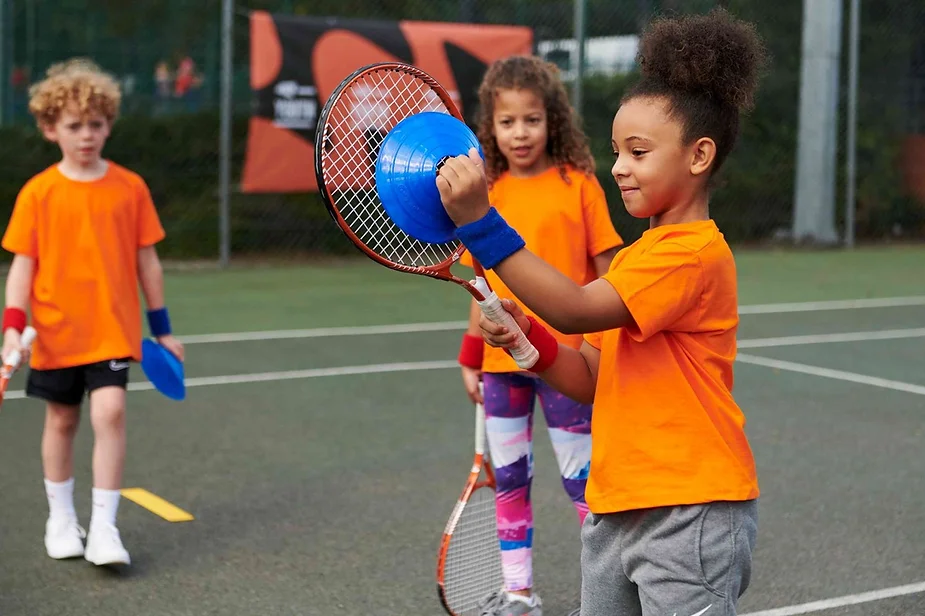
Growing up, I spent endless afternoons kicking a soccer ball around the neighborhood field with my friends. Those sweaty, laughter-filled games weren’t just play—they shaped who I am today. As a parent now, I’ve seen the same spark in my own kids during their little league practices. Playing sports as a child isn’t about turning pro; it’s about building a foundation for a healthier, happier life. From boosting physical fitness to forging lifelong friendships, the advantages run deep. Backed by research from places like the Aspen Institute’s Project Play, youth sports deliver real, measurable gains that stick around into adulthood. In this article, we’ll dive into 10 key benefits, drawing on studies and real-life examples to show why getting kids active on the field matters more than ever.
Benefit 1: Enhances Physical Fitness and Health
Diving into sports early helps kids build strong bodies that last a lifetime. Regular activity strengthens muscles and bones while keeping weight in check, warding off issues like obesity that affect nearly 20% of U.S. children today. It’s not just about running faster; it’s creating habits that prevent heart disease and diabetes down the road.
- Improved hand-eye coordination and endurance from drills and games.
- Better sleep patterns, as active kids wind down easier after a day of play.
- Lower risk of chronic conditions, with studies showing sports participants eat healthier and avoid junk food traps.
Think of it like investing in a sturdy bike—it handles the bumps better over time.
Benefit 2: Boosts Mental Health and Reduces Stress
Sports offer a natural antidote to the pressures kids face, like school worries or screen overload. By releasing endorphins, activities lower anxiety and depression rates, with active youth reporting half the hopelessness of sedentary peers. That post-game glow? It’s real science backing happier minds.
One study found exercise rivals antidepressants for teens, with effects lingering longer. My nephew, who battled nerves before soccer tryouts, found his confidence soar after making the team—proof that motion heals the mind.
Benefit 3: Builds Self-Esteem and Confidence
Nothing builds a child’s sense of worth like mastering a skill or celebrating a win. Youth sports foster self-confidence through goal-setting and overcoming challenges, leading to higher self-esteem that spills into school and beyond. It’s that “I did it!” moment that sticks.
Girls, in particular, gain healthier body images, countering societal pressures. Parents in surveys rank this as a top perk, right after physical gains. I chuckle remembering my awkward dodgeball days—tripping over my feet turned into triumphs that still make me grin.
Benefit 4: Develops Social Skills and Friendships
Team sports turn strangers into allies, teaching kids how to communicate and collaborate. They learn empathy, fair play, and resolving conflicts, creating bonds that combat loneliness. In a world of digital isolation, this real-world connection is gold.
- Stronger peer relationships through shared goals and post-game chats.
- Increased tolerance and respect, bridging diverse backgrounds.
- Reduced risky behaviors, as team support discourages smoking or drugs.
It’s like planting seeds for a supportive network that grows with them.
Benefit 5: Instills Discipline and Resilience
Sports demand practice and perseverance, mirroring life’s hurdles. Kids learn dedication, time management, and bouncing back from losses—skills that build character. Parents often cite this as a core lesson, with 80% believing it teaches getting along and grit.
When my daughter struck out in softball, that sting taught her more than any pep talk. Humor helps too—next time, she joked about her “strikeout dance” to shake it off.
Benefit 6: Improves Academic Performance
Surprisingly, sports sharpen the brain alongside the body. Participants show better focus, higher grades, and test scores, thanks to enhanced cognitive skills from strategy and repetition. High school athletes graduate at higher rates and eye college more often.
Studies link it to creativity and problem-solving, proving sweat equity pays off in the classroom. For navigational intent, check local programs via YMCA youth sports for after-school options that blend fun with learning.
Benefit 7: Promotes Lifelong Healthy Habits
Early sports participation sets the stage for active adulthood. Kids who play are five to six times more likely to stay fit later, dodging sedentary pitfalls. It’s about wiring the brain for movement, not just temporary exercise.
This reduces future illness risks and boosts productivity—former athletes earn 7-8% more annually. Imagine your child as a lifelong mover, thanks to those childhood games.
Benefit 8: Teaches Teamwork and Leadership
Being part of a team hones cooperation and stepping up when needed. Sports emphasize roles, listening, and leading by example, vital for future careers. Team sports outperform individual ones in building these traits.
- Leadership through captaining drills or motivating mates.
- Accountability, as one player’s effort affects the whole.
- Sportsmanship, learning to win gracefully or lose honorably.
For comparison, here’s a quick table on team vs. individual sports:
| Aspect | Team Sports (e.g., Soccer) | Individual Sports (e.g., Tennis) |
|---|---|---|
| Social Skills | High: Relies on collaboration | Moderate: More self-focused |
| Leadership | Frequent opportunities | Less emphasized |
| Psychosocial Benefits | Superior in goal-setting and initiative | Strong in personal resilience |
Team setups often yield broader gains for kids’ development.
Benefit 9: Reduces Risk of Chronic Diseases
Beyond fitness, sports lower long-term health threats like cancer and heart issues. Active kids build defenses early, with physical activity as potent as meds for prevention. For girls, it cuts osteoporosis and breast cancer odds.
Pros of this benefit include stronger immunity and better sleep; cons might be minor injury risks, but proper coaching minimizes them. Overall, the health payoff is huge.
Benefit 10: Fosters Emotional Resilience and Joy
Sports teach handling emotions—frustration from misses, joy from victories—building resilience against life’s ups and downs. They reduce suicide risks via support networks and endorphin boosts. Fun ranks high for kids, with 81% citing it as a motivator.
That emotional toolkit? It turns potential setbacks into growth stories. For transactional intent, consider beginner kits from Dick’s Sporting Goods youth section to start affordably.
Pros and Cons of Organized Youth Sports
While benefits abound, balance is key. Here’s a pros/cons list:
Pros:
- Structured activity combats obesity and builds skills.
- Social and mental health boosts from team dynamics.
- Lifelong discipline and health habits.
Cons:
- Potential for injuries if not supervised well.
- Pressure to specialize early, risking burnout.
- Access barriers for low-income families, though community programs help.
Weighing these, the upsides far outweigh downs with positive coaching—focus on fun over wins.
People Also Ask (PAA)
Google users often seek quick insights on youth sports. Here are common questions with snippet-optimized answers:
What are the physical benefits of sports for children?
Sports build strong bones, muscles, and cardiovascular health while controlling weight and reducing obesity risks. They also enhance coordination and endurance, lowering future disease chances like diabetes.
How do sports help students academically?
By improving focus, problem-solving, and time management, sports link to higher grades, test scores, and college attendance. Cognitive gains from strategy mimic classroom demands.
What are the benefits of PE and playing sports?
PE and sports foster confidence, social interactions, and physical fitness, reducing stress and building life skills like teamwork.
Why is sports important for child development?
It supports holistic growth—physical strength, emotional resilience, and social bonds—setting kids up for success in all areas.
For more, explore Aspen Institute’s youth sports facts.
FAQ
Is playing sports beneficial for kids’ overall development?
Absolutely—sports enhance physical health, mental well-being, and social skills, with studies showing lower depression rates and better academics among participants. Start with age-appropriate activities to maximize gains.
What are the long-term benefits of youth sports?
They promote lifelong activity, reducing chronic disease risks and boosting career success through discipline and networks. Active kids become healthier adults earning more.
How can parents choose the right sport for their child?
Consider interests, physical traits, and local options—team sports for social butterflies, individual for independents. Visit local rec centers for trials. Consult pediatricians for safety.
Are there risks to youth sports participation?
Minor injuries occur, but benefits like resilience outweigh them with proper gear and coaching. Avoid over-specialization to prevent burnout.
Where to find affordable youth sports programs?
Community centers, schools, or nonprofits like Boys & Girls Clubs offer low-cost access. Scholarships often available for families in need.
In wrapping up, these benefits remind us why lacing up those cleats matters. Whether it’s the thrill of a goal or the lesson from a loss, sports as a child craft resilient, joyful humans. Encourage your little ones— the field awaits their stories.