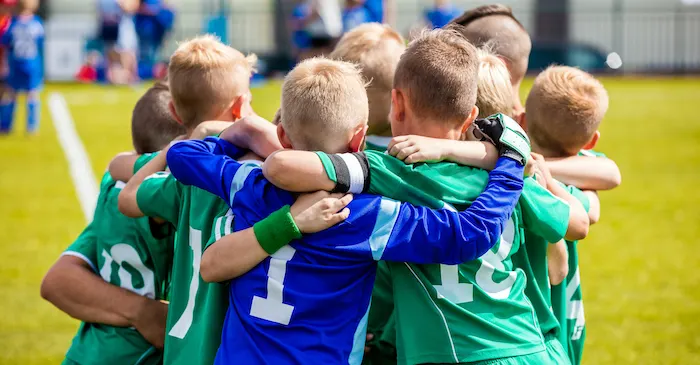
Imagine a rainy Saturday morning, back when I was eight years old, trudging to soccer practice with mud-caked cleats and a backpack full of doubts. I’d just lost a big game the week before, and part of me wanted to quit. But my coach pulled me aside, handed me the ball, and said, “Kid, success isn’t about never falling—it’s about getting up dirtier each time.” That moment stuck with me, teaching me grit before I even knew the word. Today, as a parent watching my own kids navigate their sports worlds, I see how those early experiences shape not just athletes, but resilient adults ready to tackle life’s curveballs.
What Is Grit and Why It Links to Adult Success
Grit is that powerful mix of passion and perseverance that drives people toward long-term goals, even when the going gets tough. It’s not just talent or smarts—it’s the stubborn determination to push through failures, a trait psychologists like Angela Duckworth have shown predicts success in careers, relationships, and personal growth more than IQ alone. For kids, developing grit early sets the foundation for handling adult challenges like job setbacks or family stresses, turning potential quitters into achievers who thrive under pressure.
In my experience coaching little league, I’ve seen shy kids transform into confident leaders by sticking with drills that felt impossible at first. Studies back this up, showing gritty individuals often climb higher in their professions and report greater life satisfaction. It’s the difference between giving up on a dream job after one rejection and persisting until you land it.
Defining Grit in Simple Terms
Grit combines unwavering interest in a pursuit with consistent effort over years, distinguishing it from fleeting motivation. Unlike raw talent, which can fade without practice, grit builds through repeated small wins and losses, fostering a growth mindset where effort trumps innate ability.
Think of it as the inner voice that says “one more try” after striking out—essential for kids facing school pressures or future career hurdles.
How Grit Differs from Resilience
While resilience is bouncing back from immediate setbacks, grit involves sustained commitment to distant goals, making it a deeper predictor of long-term success. Both overlap, but grit adds passion, turning recovery into purposeful progress.
In sports, a resilient kid shakes off a bad play; a gritty one practices extra to master it for the season’s end.
How Youth Sports Build Grit in Children
Organized sports expose kids to structured challenges, from learning complex plays to enduring tough practices, naturally cultivating grit as they learn to persist despite fatigue or defeat. Coaches emphasize effort over outcomes, helping young athletes view failures as stepping stones, a process that embeds perseverance deep into their character.
I chuckle thinking of my son’s first basketball tryouts—he airballed every shot but showed up daily, eventually making the team. That grit translated to acing tough math tests later, proving sports’ ripple effect.
The Role of Teamwork in Fostering Perseverance
Team sports demand reliance on others, teaching kids to push through personal slumps for the group’s success, which strengthens individual grit. Shared victories and collective losses build emotional stamina, mirroring real-world collaborations.
It’s heartwarming to see a child console a teammate after a loss, learning empathy alongside endurance.
Individual Sports and Personal Drive
Solo pursuits like swimming or tennis amplify self-motivation, where progress depends solely on one’s dedication, honing the passion side of grit. Without a team to lean on, kids confront limits head-on, developing the perseverance needed for independent adult achievements.
My nephew’s tennis journey, full of solitary laps in the pool for conditioning, turned him into a focused college student.
Scientific Evidence Linking Sports to Grit and Success
A landmark Ohio State University study of nearly 4,000 adults revealed those who played organized sports as kids scored higher on grit assessments than non-participants or quitters. This grit correlated with better career outcomes, underscoring sports’ role in non-cognitive skill development for adult thriving.
Even after accounting for self-perceived benefits, sports participation independently boosted grit levels, suggesting subconscious growth from athletic experiences. Researchers noted that ongoing adult activity might sustain these gains, but youth foundations are key.
Key Studies on Long-Term Impacts
Longitudinal research tracks youth athletes into adulthood, showing higher earnings and leadership roles among former players due to ingrained discipline. Another analysis linked sports to improved cognitive persistence, vital for professional success.
These findings highlight why parents invest in leagues—it’s not just fun; it’s future-proofing.
Other Life Skills Sports Teach Beyond Grit
While grit steals the spotlight, sports also nurture teamwork, discipline, and emotional regulation, all intertwined with adult success. Kids learn to communicate under pressure and respect authority, skills that shine in workplaces and relationships.
Emotionally, handling wins and losses builds self-esteem, reducing anxiety and boosting mental health long-term. It’s like sports provide a safe arena for life’s emotional gym.
Physical Health Benefits Supporting Mental Traits
Regular activity strengthens bodies, which in turn supports mental endurance—fit kids tackle challenges with more energy and focus. Lower obesity risks and better sleep enhance cognitive functions tied to grit.
Healthy bodies mean resilient minds, a combo for sustained success.
Pros and Cons of Enrolling Kids in Sports
- Pros:
- Builds grit and perseverance for adult challenges.
- Improves social skills and friendships through teamwork.
- Enhances academic performance via discipline and time management.
- Promotes lifelong physical health habits.
- Cons:
- Risk of injuries if not managed properly.
- Potential burnout from over-scheduling or pressure to win.
- High costs for equipment, travel, and fees, limiting access.
- Emphasis on competition can overshadow fun and development.
Balancing these ensures sports remain a positive force—focus on enjoyment to maximize benefits.
Comparing Sports to Other Activities for Trait Development
| Aspect | Youth Sports | Music Lessons | Academic Clubs |
|---|---|---|---|
| Grit Building | High—physical demands and team perseverance. | Medium—practice routines foster discipline. | Low—more intellectual, less physical endurance. |
| Social Skills | Excellent—team interactions daily. | Variable—group vs. solo practice. | Good—debates and projects. |
| Physical Health | Superior—direct activity. | Minimal unless performance-based. | None. |
| Adult Success Link | Strong—correlates with leadership and earnings. | Moderate—creativity aids careers. | Intellectual focus, but less holistic. |
Sports edge out for comprehensive development, blending physical, social, and mental growth uniquely. Yet, combining activities amplifies traits like grit.
A friend swapped her daughter’s dance for soccer, noting quicker maturity in handling failures—sports’ intensity accelerates growth.
Where to Find Youth Sports Programs for Your Kids
Local community centers, schools, and organizations like the Aspen Institute’s Project Play offer accessible entry points for organized sports. Check YMCA or city rec departments for affordable leagues tailored to ages and skill levels.
Online directories from USA Youth Sports or state athletic associations guide parents to nearby options, ensuring safe, inclusive environments.
Best Tools and Programs to Boost Grit Through Sports
For transactional intent, top programs include TrueSport’s resources for ethical development and apps like TeamSnap for scheduling that teach responsibility. Enroll via sites like i9 Sports for flexible, fun-focused sessions.
Invest in quality gear from Dick’s Sporting Goods youth sections to make participation enjoyable and sustainable.
People Also Ask (PAA)
Drawing from common Google queries on youth sports benefits:
- What are the long-term benefits of sports for kids? Sports foster physical health, better academics, and traits like grit, leading to higher adult success rates in careers and well-being.
- How do sports improve child development? They enhance cognitive skills, self-esteem, and social abilities through activity and teamwork.
- Do kids who play sports become more successful adults? Yes, studies show correlations with leadership, earnings, and perseverance.
- What skills do children learn from playing sports? Discipline, goal-setting, resilience, and cooperation—key for life.
These questions highlight parental concerns, with sports emerging as a multifaceted tool for growth.
FAQ
What exactly is grit, and how does it help in adult life?
Grit is passion plus perseverance for long-term goals, outperforming talent in predicting success like career advancement or personal fulfillment. It equips adults to navigate obstacles resiliently.
How can parents encourage grit in kids through sports?
Praise effort over wins, ensure consistent participation without quitting easily, and model perseverance yourself—key to internalizing the trait.
Are there risks to youth sports that could hinder development?
Yes, overuse injuries or excessive pressure can lead to burnout; mitigate by prioritizing fun and rest.
Which sports best build grit for different personalities?
Team sports like soccer for social grit; individual ones like running for self-driven types—choose based on child’s interests.
How early should kids start sports to develop these traits?
Around age 6-8 for organized play, when motor skills and focus align, maximizing long-term benefits without overwhelming them.
In wrapping up, sports aren’t a magic bullet, but they powerfully instill grit—the trait that turns kids into unstoppable adults. From my own muddy fields to today’s sidelines, I’ve witnessed the transformation. If you’re on the fence, lace up those shoes; the lessons last a lifetime.