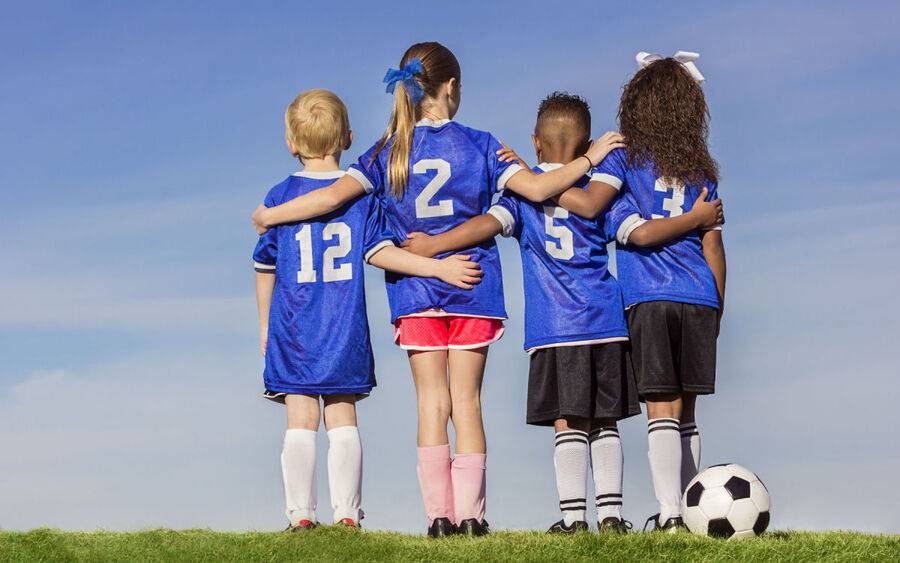
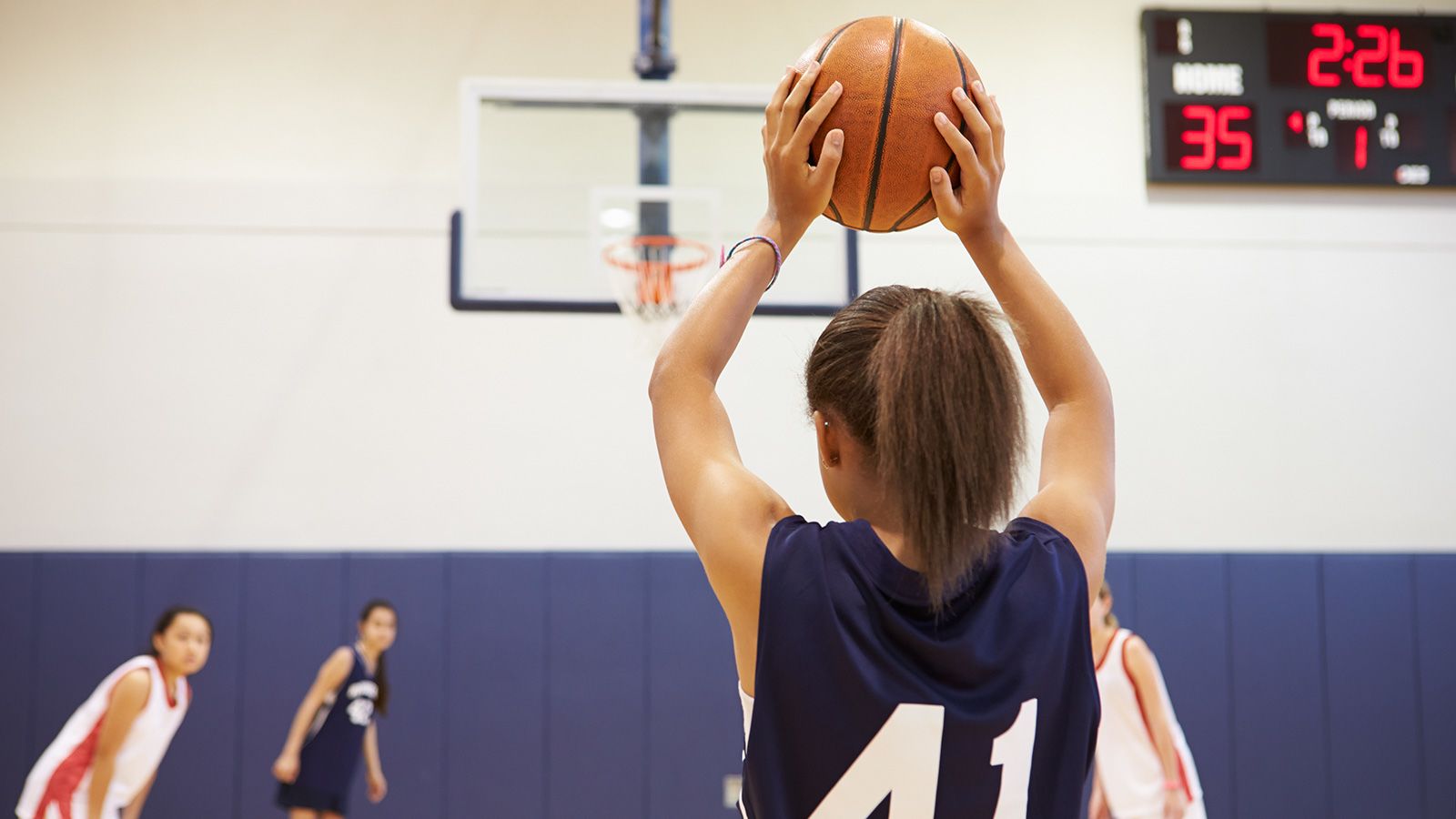
Picture this: It’s a crisp Saturday morning, and your little one is out on the field, chasing a soccer ball with that infectious grin. You cheer from the sidelines, but deep down, there’s that nagging worry—what if they get hurt? I felt it too when my daughter first joined her school’s basketball team. She came home with a bruised knee after a tumble, and it hit me how fragile those moments can be. But doctors say sports aren’t just fun; they shape kids into resilient adults. The key is smart protection to keep the joy in the game without the scares.
Why Sports Matter: Developing Grit and Long-Term Success
Sports do more than build muscles—they forge grit, that mix of passion and perseverance experts link to adult achievements like career stability and personal goals. A study from Ohio State University found adults who played youth sports scored higher on grit measures than those who didn’t, especially if they stuck with it over time. Researchers note kids learn to push through failures on the field, a skill that translates to life’s bigger hurdles. Yet, without safety nets, injuries can sideline these gains, turning potential into regret.
Common Risks in Youth Sports and How Doctors View Them
Every parent dreads the call from the coach about a twisted ankle or worse. According to the American Academy of Pediatrics (AAP), most youth injuries stem from overuse or poor preparation, not just bad luck. Doctors emphasize that growing bodies are vulnerable to sprains, strains, and stress fractures, but awareness turns risks into manageable steps. Early intervention keeps kids playing and learning those vital traits.
Overuse Injuries: The Silent Threat
Overuse hits when kids drill the same moves without breaks, stressing tendons and bones. Pediatricians warn against year-round single-sport focus, as it spikes risks like apophysitis in young athletes. I saw it in my nephew’s baseball arm—constant pitching led to elbow pain that paused his season. Docs recommend variety to let bodies heal.
Concussions: Head Protection First
Head impacts in contact sports like football worry every parent. The CDC stresses rule enforcement and proper helmets to cut risks, noting no gear prevents all concussions but education saves brains. Symptoms like dizziness demand immediate sidelines—better safe than sidelined for weeks.
Essential Protective Gear for Safe Play
Gear isn’t optional; it’s a doctor’s top line of defense. The AAP insists on fitted helmets, pads, and eyewear to shield against impacts. Check with coaches pre-season for sport-specific needs, and replace anything cracked. It’s like armor for modern gladiators—practical and life-saving.
| Sport | Key Gear Recommendations | Why It Matters (Doctor Insight) |
|---|---|---|
| Soccer | Shin guards, proper cleats, mouthguard | Prevents leg fractures and dental injuries; AAP notes fitted gear reduces cuts by 50%. |
| Football | Helmet, shoulder pads, mouthguard | Cuts concussion risk; CDC advises certified fits only. |
| Basketball | Supportive sneakers, knee braces if needed | Avoids ankle sprains; Johns Hopkins stresses arch support for jumps. |
| Baseball | Batting helmet, athletic cup | Shields head and groin; overuse prevention via proper gloves. |
Where to get the best? Sporting goods stores or online retailers like Dick’s Sporting Goods offer fitted options—consult a pediatrician for endorsements.
The Pre-Season Physical: Your First Defense
Doctors unanimously push pre-participation exams to spot issues early. Johns Hopkins experts say these checkups assess fitness and flag hidden conditions before play starts. Schedule one at your pediatrician’s office; it’s like a tune-up for tiny engines raring to rev.
Safe Training Practices to Prevent Injuries
Training smart beats training hard. Warm-ups, technique drills, and rest days form the backbone, per AAP guidelines. Coaches should enforce no-headfirst slides or illegal checks—simple rules save seasons.
- Warm up with dynamic stretches like jumping jacks to loosen muscles.
- Teach proper form: Tackling low in football avoids heads clashing.
- Limit contact practices; opt for flag football alternatives as CDC suggests.
Pros and Cons of Multi-Sport vs. Specialization
| Approach | Pros | Cons |
|---|---|---|
| Multi-Sport | Builds overall skills, cuts overuse; fosters grit via variety. | Less depth in one area; scheduling chaos. |
| Specialization | Mastery in chosen sport; potential scholarships. | Higher injury risk from repetition; burnout common. |
Doctors favor multi-sport for balanced development—my kids thrived switching between soccer and swimming.
Fueling Young Athletes: Nutrition and Hydration
Kids need more than Gatorade; balanced meals power performance. Johns Hopkins advises fruits, veggies, and proteins to sustain energy and repair tissues. Hydrate before thirst hits—dehydration sneaks up like a ninja.
- Breakfast: Oatmeal with fruit for steady energy.
- Snacks: Nuts or yogurt to avoid crashes.
- Post-game: Chocolate milk for recovery, per sports docs.
Emotional hook: Watching my son chug water after practice reminded me—happy, hydrated kids play better and safer.
Spotting and Treating Injuries Early
Pain isn’t toughness; it’s a signal. If your kid limps or favors a side, pull them out—docs say early doc visits prevent worse damage. RICE (Rest, Ice, Compression, Elevation) works for minor stuff, but concussions need pros.
For severe cases, head to emergency rooms or specialists. Tools like the CDC’s HEADS UP app guide recognition.
Fostering a Positive Sports Environment
Pressure to win can backfire, causing stress injuries. AAP urges praising effort over scores to keep fun alive. Chat with coaches about safety policies—ensure no alone time with adults, per best practices.
Humor break: Kids aren’t pros; they’re learning. Yelling from sidelines? Save it for the pros—you might just scare the ball away!
This setup builds trust and that grit for success, as the OSU research shows sustained play pays off long-term.
People Also Ask
How can parents prevent sports injuries in children?
Start with gear checks and rest schedules—AAP recommends one day off weekly. Encourage variety to dodge overuse.
What protective gear do kids need for sports?
Depends on the sport: Helmets for football, shin guards for soccer. Fit matters most, says CDC. Get expert fittings.
At what age should kids start contact sports?
Around 6-7 for basics, but docs advise waiting till bodies mature. Focus on fun first.
How to recognize a concussion in youth sports?
Watch for headaches, confusion, or balance issues. Sideline immediately and seek medical help.
FAQ
What should I do if my child gets injured during sports?
Apply RICE and monitor symptoms. See a doctor for swelling or pain—early action prevents chronic issues, per AAP.
How much rest do kids need between sports activities?
At least one day off weekly and a month yearly per sport. Sleep 9-11 hours nightly to recharge.
Is specializing in one sport safe for kids?
No—risks overuse. Multi-sports build skills and grit without burnout.
Where can I find resources for youth sports safety?
Check AAP’s HealthyChildren.org or CDC’s HEADS UP for guides.
What are the best tools for monitoring hydration in young athletes?
Reusable bottles with measurement lines or apps like MyFitnessPal. Docs stress pre-hydration habits.
Protecting your kids means more than pads—it’s guiding them toward a gritty, successful future. With doctor-backed steps, sports become a launchpad, not a landing zone for injuries. Get out there, stay vigilant, and watch them soar.