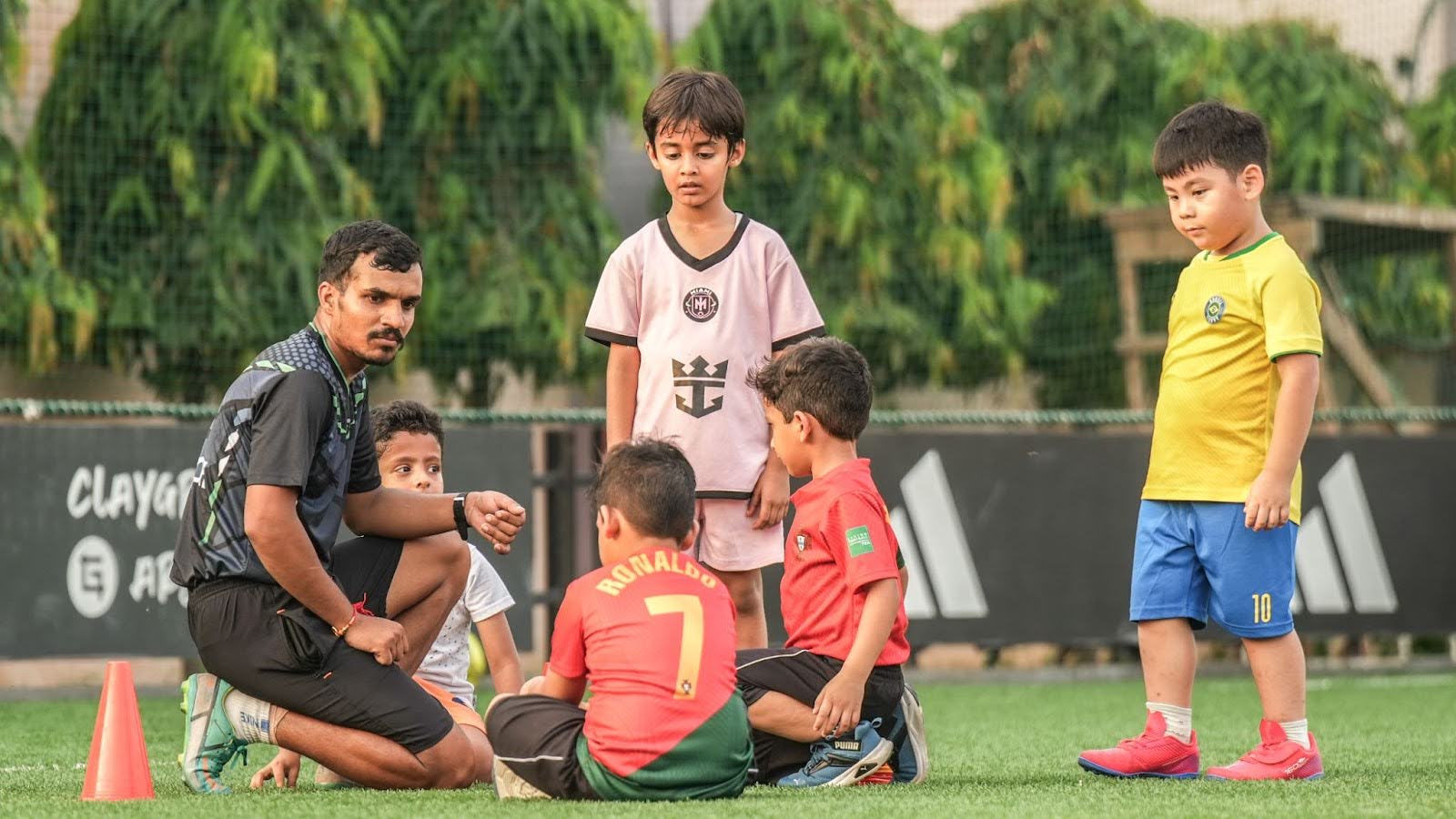
Hey, imagine this: a dusty street in Sialkot where kids kick around a handmade football, dreaming of the World Cup, while that very ball might end up in a stadium halfway across the globe. That’s Pakistan for you—a country where sports aren’t just games; they’re a lifeline woven into our daily lives and economy. I’ve grown up in Lahore, where cricket matches halt everything from traffic to tea breaks, and I still get goosebumps recalling Imran Khan lifting the 1992 trophy. It wasn’t just victory; it sparked jobs, exports, and pride. Today, as we hit 2025, Pakistan’s sports economy stands at around 530 billion PKR, with exports alone pulling in over $1 billion yearly, mostly from sports goods. But here’s the kicker—we’re barely scratching the surface. This article dives deep into how we can turbocharge this sector, turning passion into real economic muscle. From cricket’s dominance to untapped gems like adventure sports, we’ll explore strategies, challenges, and wins. Stick with me; it’s not just stats—it’s about building a healthier, wealthier Pakistan.
The Current Landscape of Pakistan’s Sports Economy
Pakistan’s sports sector pulses with energy, contributing roughly 530 billion PKR annually, where 90% ties to exports and the rest to professional leagues and events. Cricket leads the charge, but football manufacturing in Sialkot alone exported $350-500 million worth of balls in 2022-2023, supplying global giants like FIFA. Add in broadcasting rights, merchandise, and tourism, and it’s clear sports ripple through jobs, health, and GDP—employing thousands in manufacturing hubs and boosting related industries like media.
Yet, it’s cricket-heavy: the Pakistan Super League (PSL) generates millions in revenue, but diversification lags. Statista projects mild growth at 5% yearly, driven by infrastructure investments and youth interest. Personally, visiting a Sialkot factory once, I saw artisans crafting world-class gear by hand—talk about skill! This base is solid, but without broader pushes, we’re leaving money on the field.
Think of it as a talented squad needing better coaching; with 64% of our population under 29, per UN reports, sports could slash healthcare costs by promoting fitness and create 13% more jobs for youth, as UNESCO suggests.
Key Contributors to Economic Growth in Sports
Cricket isn’t just a sport; it’s an economic engine, with the Pakistan Cricket Board (PCB) earning from broadcasting deals—PSL rights alone hit $6-7 million recently. Football goods exports hit $1 billion overall, positioning Pakistan as a top global supplier. Then there’s hockey, squash, and emerging esports, adding layers.
Cricket’s Dominance and Revenue Streams
Cricket pulls in crowds and cash like no other, with PSL boosting local economies through tourism and sponsorships—hotels fill up, vendors thrive during matches. The 2025 Champions Trophy could inject millions via tickets and media. I chuckled remembering a rain-delayed match where street food sales skyrocketed—sports magic!
Broadcasting rights for India-Pakistan games alone rake in huge sums for PCB. Diversifying formats like T20 has grown the market, creating jobs for players, coaches, and analysts.
The Sports Goods Manufacturing Hub in Sialkot
Sialkot produces 70% of the world’s footballs, exporting to over 100 countries and supporting 50,000 jobs. Ties with China have opened doors, with firms collaborating for tech upgrades. During the 2022 World Cup, orders surged—imagine the buzz in factories working overtime.
This cluster drives $500 million in football exports yearly, but challenges like environmental regs need addressing for sustainable growth.
Emerging Sectors: Esports and Adventure Sports
Esports is booming, with Pakistan’s new national policy forming a federation to tap youth gamers—potential revenue from tournaments could hit millions. Adventure sports in northern areas like skiing in Malam Jabba draw tourists, blending sports with travel for eco-boosts.
Challenges Hindering Sports Economy Development
Pakistan’s sports face hurdles that sting—like security concerns scaring investors or inconsistent funding leaving athletes high and dry. Governance issues in federations, plus a cricket-only focus, stifle diversity.
Infrastructure Deficits and Funding Gaps
Rural areas lack facilities; many talents fizzle without grounds or gear. Post-2011 devolution, the Pakistan Sports Board struggles with uneven provincial support. A friend who coaches hockey shared how kids train on dirt pitches—heartbreaking, right?
Political Interference and Policy Inconsistencies
Federations often battle infighting, delaying progress. The 2023 sport policy critique highlights administrative inefficiencies needing reform.
Security and Global Perception Issues
Past incidents deter international events, costing hosting revenues. Yet, recent PSL success shows improvement—baby steps forward.
Here’s a quick pros and cons list for investing in Pakistan’s sports:
Pros:
- Huge youth demographic for talent pool.
- Established export chains in goods.
- Growing tourism tie-ins for adventure sports.
- Government pushes like Kamyab Jawan Sports Drive.
Cons:
- Funding shortages and corruption risks.
- Over-reliance on cricket.
- Infrastructure lags in remote areas.
- Security perceptions affecting foreign ties.
Government Initiatives and Policies Driving Change
The government’s stepping up, with the National Sports Policy 2024-2029 aiming for excellence and inclusivity—think high-performance academies and gender equity. The Kamyab Jawan Sports Drive revives grassroots, allocating funds for talent hunts.
The Role of Pakistan Sports Board and Federations
PSB, since 1962, oversees 40 federations, granting aids and organizing events like National Games. Recent esports policy signals modern thinking.
Provincial Efforts and Devolution Impacts
Provinces like Punjab and Sindh build complexes; Balochistan focuses on unity via sports. The 18th Amendment shifted powers, but coordination gaps persist—time for better sync.
Where to get involved? Check Pakistan Sports Board site (sports.gov.pk) for programs, or provincial departments for local academies.
Strategies for Sustainable Growth
To grow, diversify beyond cricket—push football, kabaddi, and wrestling. Invest in tech like sports analytics apps for training.
Investing in Infrastructure and Talent Development
Build stadiums and schools programs; UNESCO says youth sports investments yield 13% employment boosts. Public-private partnerships could fund this.
Boosting Sports Tourism and Exports
Northern Pakistan’s mountains scream adventure—raft, ski, trek. Sports tourism could add billions, per studies on events like marathons. For exports, upgrade Sialkot with eco-friendly tech; China pacts help.
Leveraging Media and Sponsorships
PSL shows media power—expand to other sports. Sponsorships rose post-2000s; digital platforms can amplify.
Comparison with Neighbors: How Pakistan Stacks Up
| Aspect | Pakistan | India | Bangladesh |
|---|---|---|---|
| Main Sport Revenue | Cricket (PSL: $6-7M rights) | IPL ($1B+ annually) | Cricket (exports growing) |
| Exports | $1B goods | Apparel/sports tech | Garments tie-in |
| Growth Rate | 5% yearly | 8-10% | 6% |
| Youth Focus | Kamyab Jawan | Khelo India | National programs |
| Challenges | Security | Over-commercialism | Funding |
India’s IPL model inspires—franchise leagues for other sports?
Best tools for development: Wearable tech like Fitbits for training; apps for scouting talents via AI.
People Also Ask (PAA)
What is the economic contribution of sports in Pakistan? Around 530 billion PKR, with exports leading at $1 billion+.
How does cricket impact Pakistan’s economy? Through PSL revenues, jobs (thousands in media/events), and global branding.
What are challenges in Pakistan’s sports sector? Infrastructure gaps, funding, and political meddling.
Where to invest in Pakistan sports? Sialkot manufacturing or esports startups.
How can Pakistan develop sports tourism? Promote northern adventures; events like skiing fests.
Case Studies: Success Stories and Lessons Learned
Remember Arshad Nadeem’s 2024 Olympic javelin gold? It spotlighted athletics, boosting sponsorships. Sialkot’s World Cup ball supply shows export prowess—lessons: quality and ties win.
PSL revived cricket post-2009 attacks, adding economic zest with foreign players.
Future Outlook: A Thriving Sports Economy by 2030
By 2030, with policies in play, we could double exports and host more globals. Focus on women—initiatives like Right To Play empower girls, adding social wins. It’s emotional: sports united us in tough times; economically, it’s gold.
In closing, developing Pakistan’s sports economy isn’t a pipe dream—it’s actionable. From my vantage, seeing kids play despite odds inspires hope. Let’s invest, reform, diversify. For more, link to Dawn’s sports section or Statista reports. Who’s ready to cheer—and cash in?
FAQ
What is the size of Pakistan’s sports market? It’s valued at 530 billion PKR, per recent industry insights, with growth projected at 5% annually via infrastructure and interest.
How to start a sports business in Pakistan? Focus on Sialkot for goods or esports; register with TDAP for exports, seek PSB affiliations. Best: Partner with China for tech—start small, scale with grants.
What government support is available for athletes? Kamyab Jawan Drive offers training; PSB grants for federations. Apply via sports.gov.pk—talent hunts scout raw gems.
Best sports for investment in Pakistan? Cricket leagues, football exports, adventure tourism. Esports policy opens doors—low entry, high youth appeal.
How does sports tourism work in Pakistan? Trek K2 bases or ski Naltar; events blend culture. Contact PTDC for packages—potential $ millions in forex.