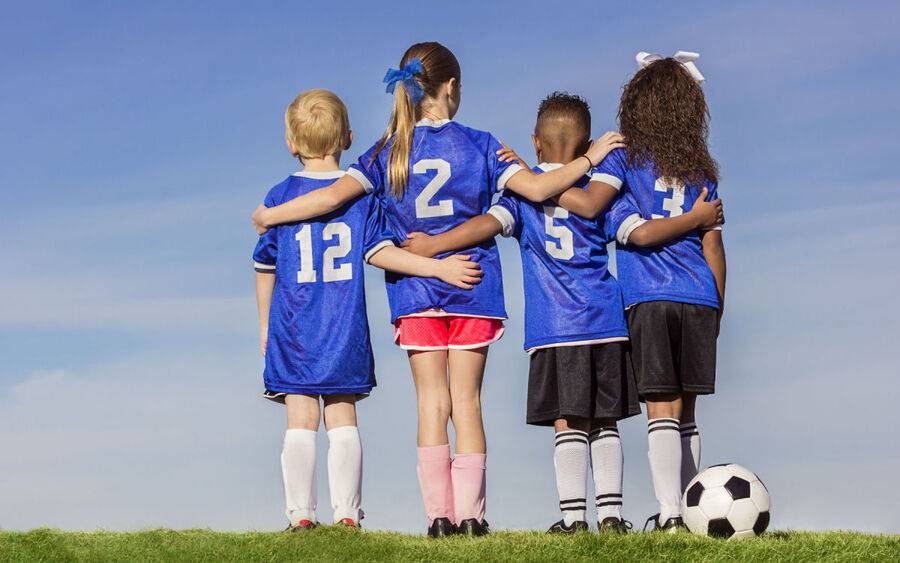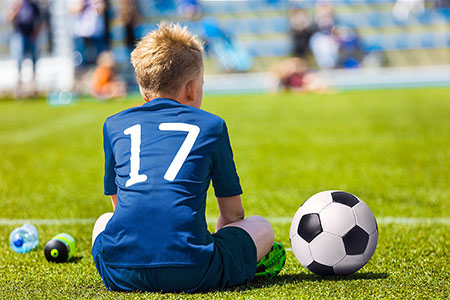
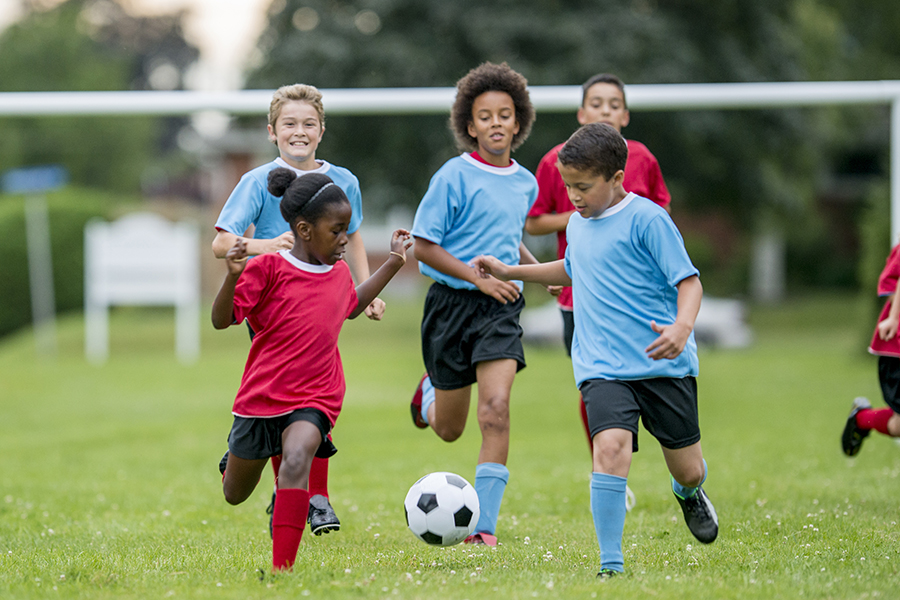
Playing sports is one of life’s greatest joys— that rush of adrenaline, the camaraderie with teammates, and the satisfaction of pushing your limits. But I’ve learned the hard way that without smart habits, it can also lead to aches, injuries, and burnout. Back in my college days, I was all in on pickup basketball, ignoring warm-ups and chugging energy drinks instead of water. One bad sprain later, and I was sidelined for weeks, rethinking everything. If you’re lacing up for soccer, tennis, or any game, staying healthy isn’t just about talent; it’s about building routines that keep you in the game long-term. Let’s break it down step by step, drawing from what works in real life.
Warm Up and Cool Down: Your Body’s Best Friends
Skipping the warm-up is like starting a car engine in freezing weather without letting it idle—you risk stalling out or worse. A good warm-up gets blood flowing, loosens muscles, and preps your joints for action, cutting injury risk significantly. Cool-downs help flush out lactic acid and promote recovery, so you don’t wake up feeling like you wrestled a bear.
Why Warming Up Prevents Injuries
Think of your muscles as rubber bands; cold ones snap easily. Dynamic stretches like leg swings or arm circles mimic the sport’s movements, raising your heart rate gradually. Studies show this routine can slash strain risks by up to 30 percent. I once coached a youth team where kids who warmed up religiously missed fewer practices—it’s that simple.
Cool-Down Routines for Faster Recovery
After the whistle blows, don’t just collapse on the bench. Light jogging followed by static stretches holds your muscles in place for 20-30 seconds each. This aids flexibility and reduces soreness, especially after intense sessions like marathon runs or weighty gym days.
- Jog lightly for 5 minutes to ease your heart rate down.
- Target major muscle groups: hamstrings, quads, shoulders.
- Breathe deeply to calm your nervous system.
Nutrition: Fueling Your Athletic Engine
What you eat powers every sprint, jump, and tackle. Athletes need a balanced mix of carbs for energy, proteins for repair, and fats for sustained fuel—aim for 45-65% carbs, 10-30% protein, and the rest fats daily. Poor nutrition leads to fatigue or weakened immunity, but getting it right feels like upgrading from a scooter to a sports car.
Carbs, Proteins, and Fats Breakdown
Carbs are your quick energy source—think oats or bananas before a game. Proteins rebuild tissues, so lean chicken or eggs post-workout. Healthy fats from avocados keep inflammation low. A pro tip: time meals around training for peak absorption.
Here’s a simple daily nutrition table for a moderately active athlete:
| Meal Time | Focus | Example Foods |
|---|---|---|
| Breakfast | Carbs + Protein | Oatmeal with eggs and fruit |
| Pre-Workout | Quick Carbs | Banana with peanut butter |
| Post-Workout | Protein + Carbs | Grilled chicken salad with quinoa |
| Dinner | Balanced | Salmon, veggies, sweet potatoes |
Supplements: Pros and Cons
Supplements like protein shakes can fill gaps, but they’re no magic bullet. Pros include convenience and targeted boosts, like BCAAs for muscle recovery. Cons? Overuse risks digestive issues or masking poor diet. Always consult a doc first—I’ve seen friends waste money on hype without real gains.
- Pros: Easy nutrient hits, supports intense training.
- Cons: Expensive, potential side effects if overdone.
For the best tools, check out reputable brands on sites like Bodybuilding.com for reviews and deals.
Hydration: Don’t Let Thirst Sideline You
Dehydration sneaks up fast during sports, zapping energy and cramping muscles— even 2% body water loss hurts performance. I’ve been there, guzzling soda mid-game and paying with headaches; water or electrolyte drinks are lifesavers instead.
How Much to Drink and When
Start hydrating hours before play: 16-20 ounces two hours prior, then 4-8 ounces every 15-20 minutes during. Weigh yourself pre- and post-session to replace lost fluids pound-for-pound. In hot weather, add electrolytes to avoid hyponatremia.
Signs of Dehydration and Quick Fixes
Watch for dark urine, dizziness, or fatigue—these scream “drink up!” Quick fix: sip sports drinks with sodium and potassium. For endurance events, where to get quality options? Local sports stores or online at Gatorade’s site for athlete-tested formulas.
Preventing Common Sports Injuries
Injuries like sprains, strains, and ACL tears plague players, often from overuse or poor form. What is a sports injury? Basically, damage to muscles, ligaments, or bones from impact or strain. Prevention starts with strength training and listening to your body—no heroics on tired legs.
Top Injuries and How to Avoid Them
Ankle sprains top the list in basketball and soccer; build stability with balance exercises. Knee issues? Strengthen quads and hamstrings equally. Common culprits include shin splints from running—switch to supportive shoes.
- Use proper technique: Form over speed.
- Cross-train to avoid overuse.
- Get regular check-ups for early detection.
Gear That Makes a Difference
Invest in quality: helmets for contact sports, supportive shoes for runners. Pros of good gear: reduced impact, better performance. Cons: Higher cost, but it pays off in avoided ER visits. Find the best at Dick’s Sporting Goods for fittings and advice.
Comparison of injury prevention methods:
| Method | Effectiveness | Ease of Use |
|---|---|---|
| Strength Training | High | Moderate (needs consistency) |
| Proper Footwear | Medium-High | Easy |
| Technique Coaching | High | Requires practice |
Recovery: Rebuild Stronger Than Before
Recovery isn’t downtime; it’s where gains happen. Muscles repair during rest, so skimping leads to plateaus or breakdowns. After a tough tournament, I used to crash without strategy—now, I prioritize sleep and light activities for quicker bounces back.
Active vs. Passive Recovery
Active recovery means easy swims or walks to boost circulation without stress. Passive? Full rest or ice baths for inflammation. Both work, but mix them: active for daily, passive post-hard efforts.
Nutrition and Sleep in Recovery
Refuel with protein-rich snacks within 30 minutes post-play. Aim for 7-9 hours sleep nightly—it’s when growth hormone peaks. Emotional appeal here: that refreshed feeling? Pure gold for loving the sport again.
- Foam roll sore spots daily.
- Try massage for deep relief.
- Track progress in a journal.
For best recovery tools, apps like MyFitnessPal help log intake, or grab foam rollers from Amazon.
Mental Health: The Hidden Edge in Sports
Sports grind your mind as much as your body—stress, pressure, and losses can trigger anxiety or burnout. Elite athletes face it too; ignoring it risks everything. I hit a wall during a losing streak, feeling isolated until talking helped—mental fitness is as crucial as physical.
Building Resilience On and Off the Field
Practice mindfulness: deep breaths before big plays calm nerves. Build a support network—coaches, friends, pros. Light humor: Don’t let a bad game haunt you like a ghost; shake it off with perspective.
When to Seek Help
Signs like constant exhaustion or withdrawal? Time for a sports psychologist. Resources abound; check NCAA mental health guides for student-athletes or general tips.
People Also Ask
Google’s “People Also Ask” reveals common curiosities around staying healthy in sports. Here’s a roundup based on real searches:
- How much water should athletes drink during exercise? Aim for 7-10 ounces every 10-20 minutes to maintain performance and avoid cramps.
- What foods help with sports recovery? Focus on anti-inflammatory options like berries, nuts, and fatty fish to speed healing.
- How do professional athletes stay healthy? They prioritize sleep, tailored nutrition, and recovery modalities like cryotherapy.
- Why is rest important for athletes? It allows muscle repair and prevents overtraining syndrome, boosting long-term gains.
These questions highlight the blend of physical and practical tips users crave.
FAQ
What is the best way to prevent sports injuries?
Combine warm-ups, strength exercises, and proper gear. Consistency in cross-training builds resilience—I’ve avoided repeats by focusing here.
Where can I get personalized nutrition advice for sports?
Consult a registered dietitian specializing in athletes; sites like EatRight.org from the Academy of Nutrition and Dietetics offer directories.
How does mental health impact sports performance?
Poor mental health raises injury risk and lowers focus. Techniques like journaling or therapy enhance decision-making under pressure.
What are the best hydration drinks for intense sports?
Water for short sessions, electrolyte-enhanced for long ones—avoid sugary sodas that crash your energy.
How long should recovery take after a game?
Varies by intensity: 24-48 hours for light, up to a week for heavy. Listen to your body and incorporate active rest.
Staying healthy in sports is a marathon, not a sprint—blend these habits, stay consistent, and you’ll thrive. Whether you’re a weekend warrior or aspiring pro, your body will thank you with better play and fewer setbacks. Keep moving, stay smart, and enjoy the ride.