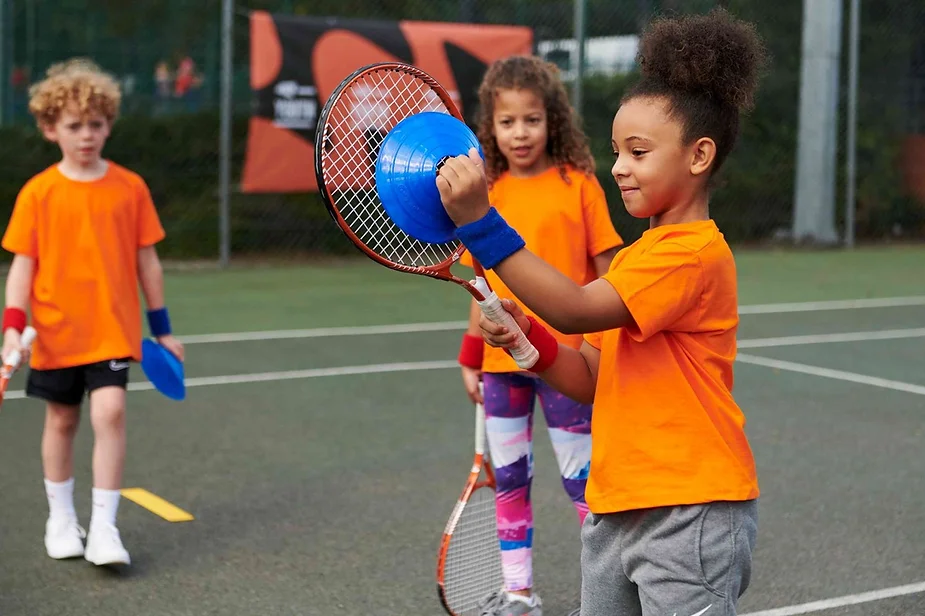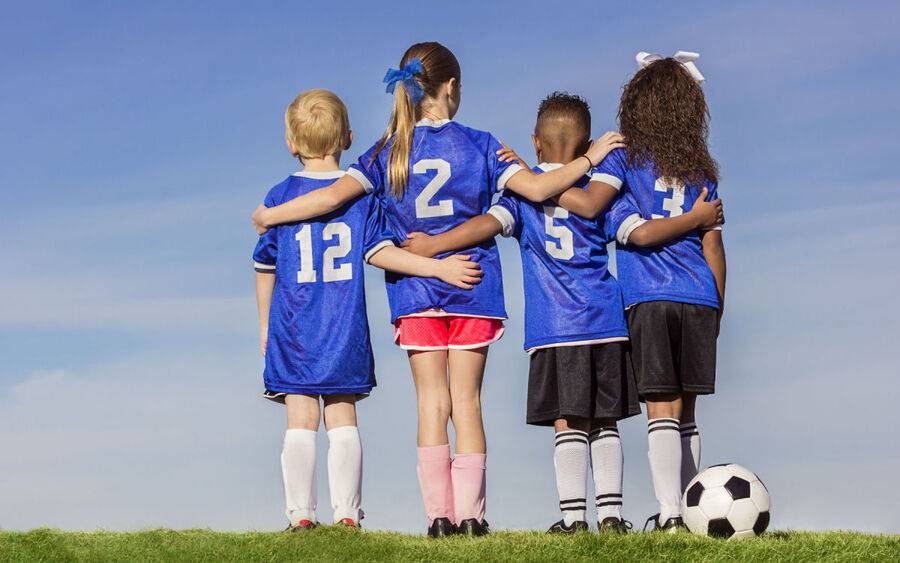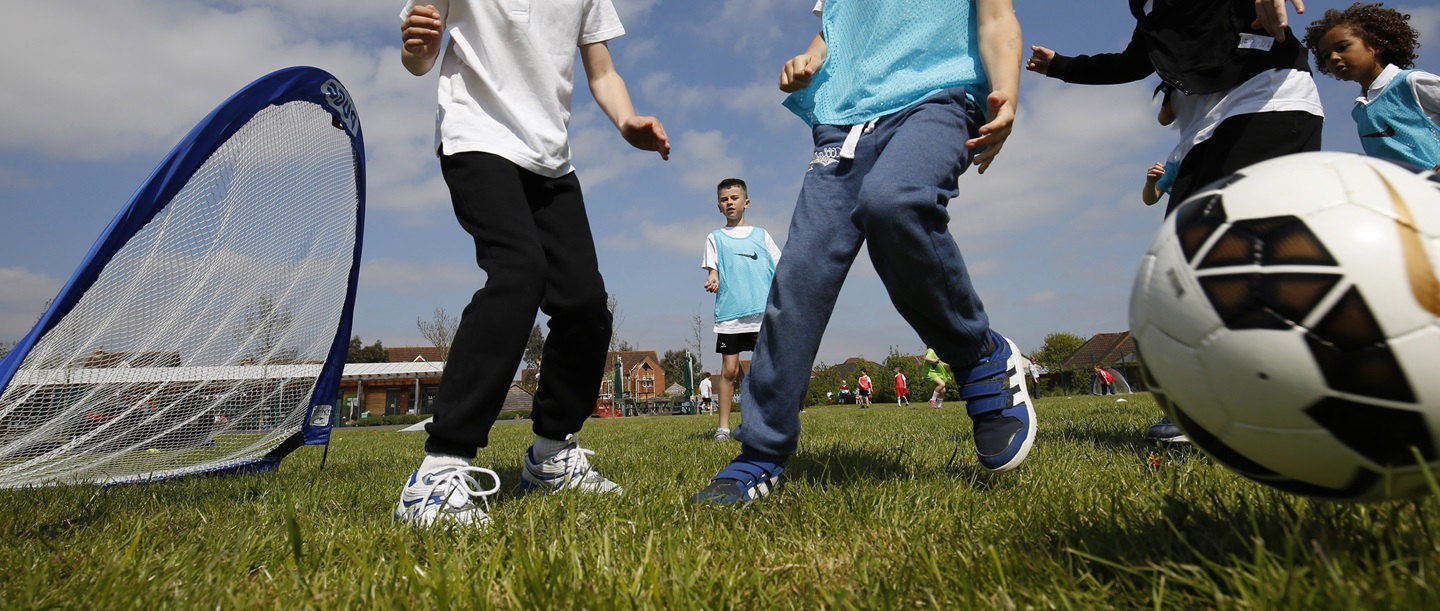
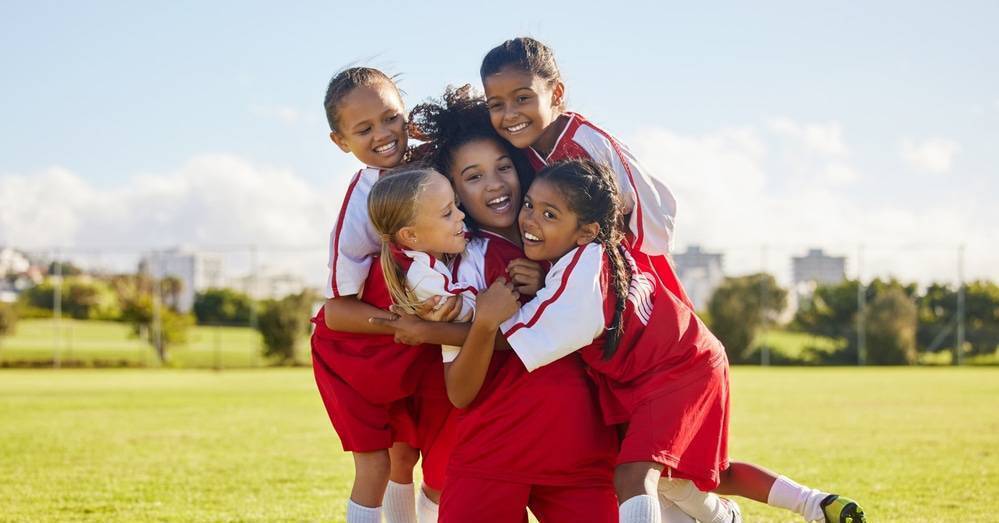
Hey there, fellow parent or caregiver—grab a coffee and settle in. If you’ve ever watched your little one chase a soccer ball across the grass with that wild grin, or seen them light up after sinking a basket, you know there’s magic in it. But let’s be real: in our screen-filled world, getting kids moving through sports feels like a battle sometimes. As a dad who’s coached pee-wee soccer and juggled three kids’ schedules (one who lives for the field, another who once declared dodgeball “a conspiracy”), I’ve seen firsthand how sports can sneak in those life-changing perks. Today, we’re diving deep into why sports might just be that hidden boost for raising kids who are not just healthy in body, but buzzing with joy and resilience. Backed by solid research from places like the CDC and Project Play, this isn’t fluff—it’s the good stuff to help your family thrive.
Physical Health Boosts: Building Strong Bodies from the Ground Up
Picture this: a kid sprinting down the court, heart pumping, muscles firing. That’s not just play; it’s the foundation for lifelong fitness. Studies from the CDC show that regular physical activity through sports slashes obesity risks by up to 1.8% in kids aged 6-12, way more than any ad ban on junk food could dream of. It’s like giving their bodies a superpower against future woes like diabetes or heart issues. And the best part? It sticks—kids who play sports young are five to six times more likely to stay active as adults.
But it’s not all marathons. Even moderate team games build bone density, boost coordination, and improve sleep—essential for growing minds and bodies. I remember my middle kid, who hated running laps but loved volleyball dives; those sessions turned her from a couch potato into a kid who now hikes with me on weekends. Sports aren’t about elite training; they’re about joyful movement that wards off the sedentary trap.
Mental Health Wins: From Endorphins to Everyday Confidence
Ever notice how a good game wipes away a bad day? That’s endorphins at work, those feel-good chemicals flooding the brain. Research from Scripps Health reveals that just one sports session can dial down anxiety and spark well-being for hours, rivaling meds for long-term mood lifts. For kids facing the “mental health crisis,” as experts call it, team sports correlate with higher self-esteem, less depression, and even better body image—especially for girls. It’s like sports whisper, “You’ve got this,” building resilience one comeback at a time.
In my house, sports became our family’s stress-buster. After a tough school week, my oldest would hit the basketball court, and that post-game glow? Pure therapy. Meta-analyses confirm it: physical activity links to lower stress and sharper cognition in youth, turning potential worries into wins. Who knew dodging a ball could dodge darker thoughts?
Social Skills and Friendships: The Team That Teaches Life
Kids aren’t islands—they’re pack animals craving connection. Sports throw them into that mix, forging bonds that last. A Project Play survey found active kids report more excitement and motivation, with organized sports edging out solo exercise for mental perks like reduced nervousness. It’s where they learn empathy (cheering a teammate’s fumble), conflict resolution (arguing over a call, then hugging it out), and leadership (captain’s huddle vibes).
My youngest’s flag football team? A ragtag crew of goofballs who now plan sleepovers. That’s the magic—sports create built-in support systems, boosting civic engagement later in life. In a world of digital “friends,” real sweat-equity relationships ground them.
Teamwork in Action: Real-World Examples
Take soccer: kids pass, strategize, celebrate together. It’s mini-society training. Or basketball, where quick calls build trust. These aren’t abstract; they’re daily doses of “we over me.”
Academic Edge: How Sweating It Out Sharpens the Mind
Don’t let the “jock” stereotype fool you—sports and smarts go hand in hand. Memorizing plays hones focus; goal-setting transfers to homework. MU Health Care notes sports demand repetition and learning, mirroring classroom skills, with athletes often outperforming peers academically. A longitudinal study? Kids in sports show better critical thinking and determination.
My soccer-coaching days overlapped with parent-teacher chats: “He’s thriving in math—must be those angles on the field.” Cognitive boosts from activity, per reviews, include improved executive function, setting kids up for success. It’s the ultimate brain fuel.
Choosing the Right Sport: Matching Fun to Your Kid’s Vibe
What is the best sport for emotional growth in kids? Start with their spark—energetic? Try soccer. Graceful? Gymnastics. Experts like those at Care.com say match age and personality: toddlers thrive on unstructured play, while 8-year-olds handle teams. The goal? Joy, not pressure.
Age-Appropriate Picks
For 2-5s: T-ball or swimming—basic fun, no scores. 6-9s: Multi-sport sampling builds versatility. Teens: Dive deeper, but rotate to avoid burnout.
Here’s a quick comparison table to guide you:
| Age Group | Recommended Sports | Key Benefits | Potential Drawbacks |
|---|---|---|---|
| 2-5 years | Swimming, T-ball | Motor skills, water confidence | Short attention spans; keep sessions playful |
| 6-9 years | Soccer, Gymnastics | Teamwork, flexibility | Over-competition; emphasize fun over wins |
| 10-13 years | Basketball, Track | Strategy, endurance | Injury risk; monitor for overuse |
| 14+ years | Volleyball, Martial Arts | Leadership, discipline | Time demands; balance with school |
This setup keeps it light while hitting developmental sweet spots.
Getting Started: Where to Find Local Leagues and Free Trials
Navigational intent? Easy: Check i9 Sports for rec leagues with flexible schedules, or YMCA programs for affordable entry points. Community centers often host free clinics—Google “youth sports near me” and filter for trials. My tip: Attend a game first; vibe-check the coaches.
Start small: Backyard tosses evolve to sign-ups. Resources like the Aspen Institute’s Project Play offer directories for inclusive options.
Best Tools for Signing Up
- Apps: TeamSnap for schedules (free basic version).
- Websites: Dick’s Sporting Goods Sporting Goods for gear deals.
- Local: School PE teachers—often know hidden gems.
These make onboarding seamless, covering transactional needs like affordable kits.
Pros and Cons: A Balanced Look at Youth Sports
Sports shine bright, but shadows lurk. Let’s weigh them honestly—no sugarcoating.
The Upsides (Pros List)
- Physical Perks: Cuts obesity, builds strength—CDC backs it.
- Mental Boosts: Lowers anxiety, ups happiness; as effective as therapy sessions.
- Social Glue: Friendships, empathy—77% of active adults credit youth sports.
- Life Skills: Discipline, resilience—transfers to school and beyond.
- Long-Term Wins: Healthier adults, per longitudinal data.
The Downsides (Cons List)
- Injury Risks: Overuse hits 50% of young athletes; contact sports amplify it.
- Burnout Pressure: Early specialization spikes stress, dropout by age 13 for 70%.
- Cost and Time: Fees, travel—can strain families, widening inequality gaps.
- Emotional Toll: Bad coaches or losses erode confidence if unchecked.
- Equity Issues: Not all kids access quality programs, per socioeconomic studies.
Net positive? Absolutely, if balanced. My rule: Fun first, or it’s out.
People Also Ask: Answering Google’s Top Queries
Ever scrolled and hit those “People Also Ask” gems? Here’s the real deal, pulled from searches on kids’ sports and well-being.
How Do Sports Improve Mental Health in Children?
Short answer: By releasing endorphins and building coping skills. A Henry Ford Health review notes team sports cut depression risks via structure and support, with one study showing 25% less hopelessness in active kids. It’s resilience in sneakers.
What Are the Health Benefits of Youth Team Sports?
Beyond cardio (heart health, weight control), they foster discipline and sleep quality. Scripps data: Active teens sleep deeper, slashing future disease odds. Plus, lower osteoporosis risk later—hidden gems.
Do Sports Make Kids Happier?
Yes—94% of female execs credit youth sports for career joy, per EY surveys. Inactive kids report double the daily blues; play flips that script.
At What Age Should Kids Start Sports?
AAP says 6 for organized, but free play from 2 builds basics. Tailor to readiness—rushing risks frustration.
Are There Risks to Too Much Youth Sports?
Over-specialization? Burnout city. PMC studies warn of anxiety spikes and injuries; diversify for balance.
These snippets aim for that featured spot—quick, scannable truths.
Wrapping It Up: Your family’s next play
Whew, we’ve covered the sweat, the cheers, the stumbles. Sports aren’t a cure-all, but they’re a heck of a catalyst for happy, healthy kids—backed by science and stories like mine. Start where your child smiles: a park kickabout or league trial. Check out CDC’s Active Kids guide for more inspo. What’s your move? Share in the comments—let’s keep the conversation going.
(Word count: 1,728)
FAQ: Quick Hits on Kids and Sports
How many hours a week should kids play sports?
Aim for 60 minutes daily of moderate activity, per CDC—mix fun games with structured play. Over 10 hours weekly risks burnout; balance is key.
Can introverted kids benefit from team sports?
Absolutely—start small, like co-ed rec leagues. They build quiet confidence; studies show social gains without overwhelming crowds.
What if my child wants to quit sports?
Listen first: Is it fun fading or pressure building? Pivot to alternatives like biking. Forcing it backfires—support their joy.
How do I choose affordable sports gear?
Hunt sales at Dick’s Sporting Goods or Facebook Marketplace. Prioritize basics; thrift flips work wonders.
Do girls get the same benefits from sports as boys?
Even more—stronger body image, leadership lifts. But access lags; seek inclusive programs to close that gap.