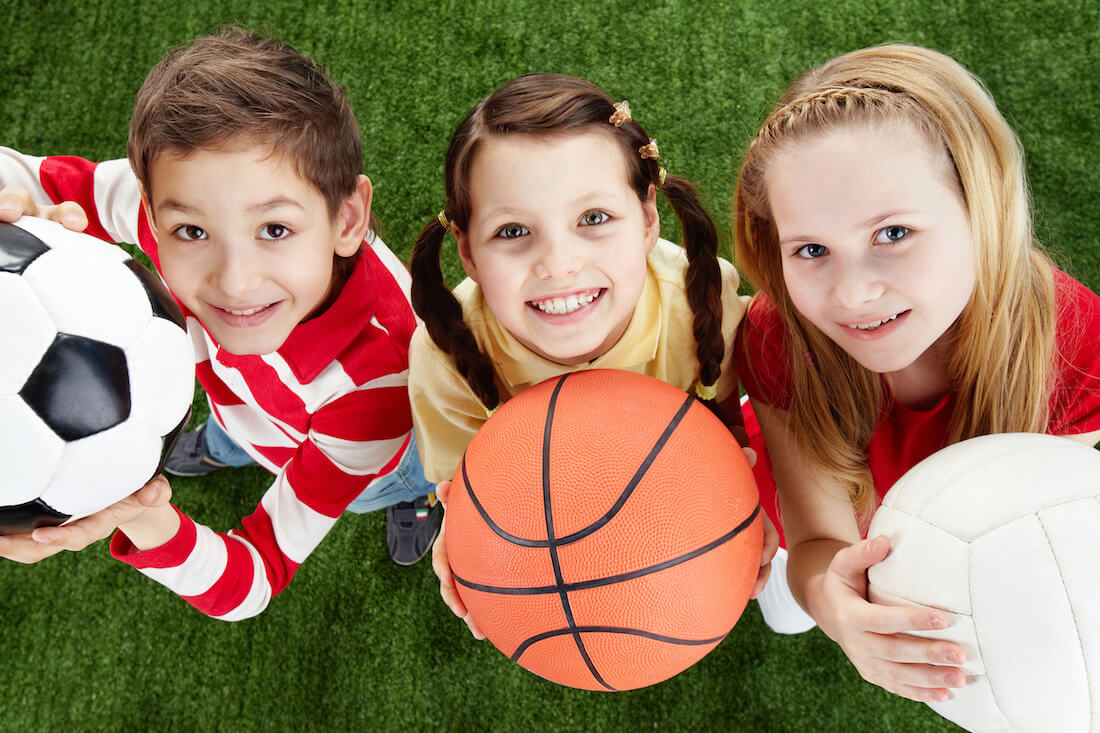
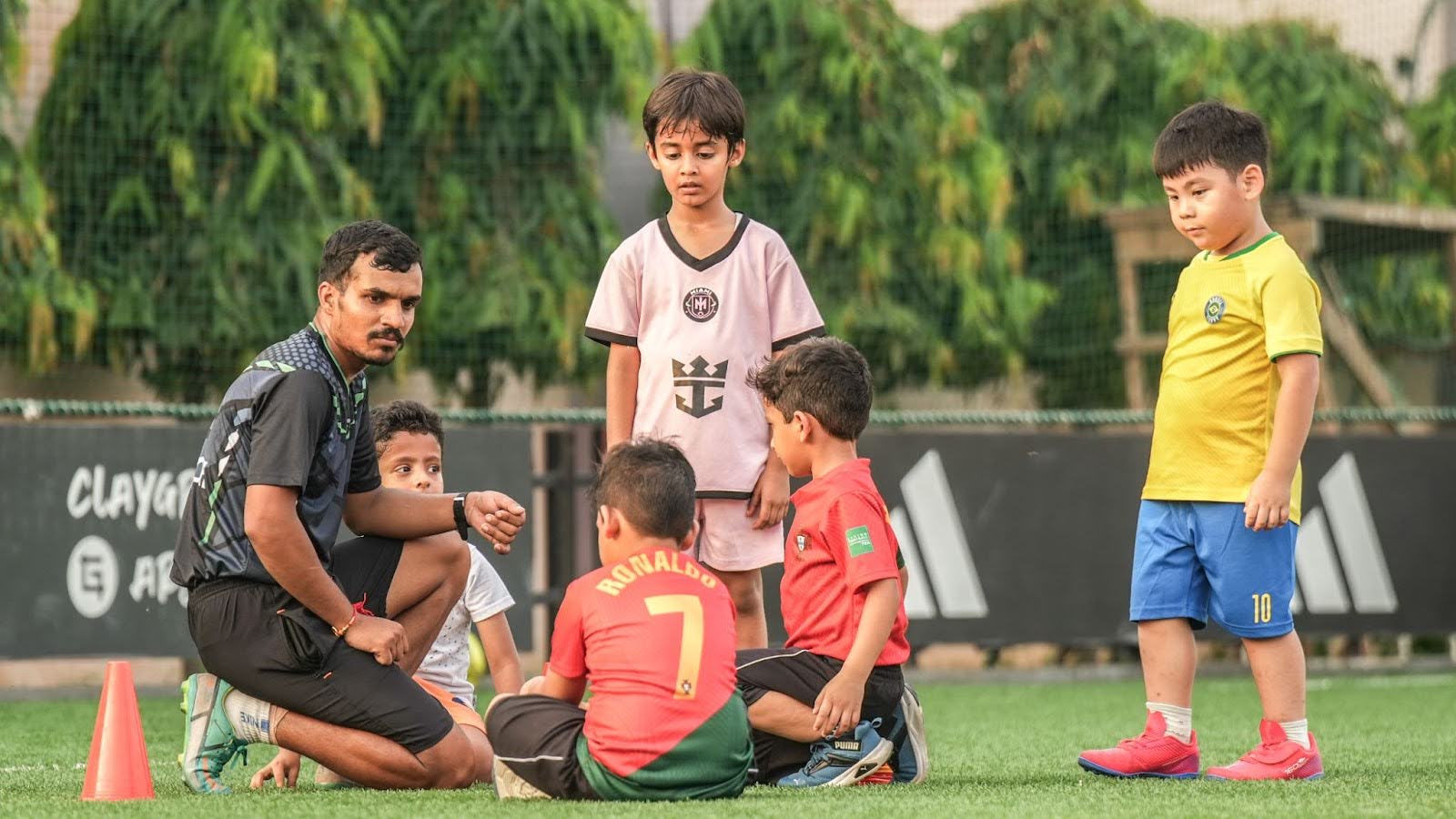
Hey there, fellow parent. Picture this: It’s a crisp Saturday morning, and you’re lacing up your sneakers to chase after your little one who’s darting around the backyard like a caffeinated squirrel. Those giggles? Pure gold. But as they grow, you start wondering—how do you turn that wild energy into something structured, something that builds them up without breaking their spirit? I’ve been there, knee-deep in muddy cleats and snack-packed coolers, trying to figure out the right fit for my own kids. One fell head over heels for soccer at age five, while the other discovered a love for swimming that saved us from endless rainy-day battles. Choosing sports isn’t just about signing up; it’s about nurturing their whole world—body, mind, heart, and all.
In this guide, I’ll walk you through the why and how, drawing from what I’ve learned coaching pee-wee teams, chatting with pediatricians, and watching my kids bloom (and occasionally flop spectacularly). We’ll keep it real: no cookie-cutter advice, just practical steps to help your child thrive. Whether you’re scouting local leagues or debating between team chaos and solo swims, let’s find that sweet spot where fun meets growth.
Why Sports Matter for Kids’ Overall Development
Sports aren’t just recess on steroids—they’re a launchpad for lifelong habits. From boosting brainpower to forging unbreakable friendships, the right activities weave physical prowess with emotional smarts. Think of it as investing in a future where your kid tackles homework like a pro and bounces back from setbacks with a grin.
Research from the Aspen Institute’s Project Play backs this up: kids in sports show sharper cognitive skills, like problem-solving under pressure, and lower risks of anxiety down the line. I’ve seen it firsthand—my daughter, once shy as a shadow, lit up leading her swim relay, her confidence spilling into school plays. But it’s not all rainbows; the key is matching the sport to their stage of life, so it feels like play, not punishment.
Understanding Developmental Stages: What Your Child Needs at Each Age
Every kid’s a unique puzzle, but patterns emerge as they grow. Toddlers need wobbly fun to build basics, while tweens crave strategy and squads. Tailoring sports to these phases prevents frustration and sparks joy—because nothing kills enthusiasm like a game that’s too tough too soon.
The American Academy of Pediatrics emphasizes age-appropriate picks to foster skills without overload. For my family, starting slow with unstructured romps kept things light until they were ready for rules and rosters.
Sports for Ages 2-5: Building the Basics with Fun and Freedom
At this stage, it’s all about exploration—think tag over tactics. Focus on activities that hone gross motor skills like balance and throwing, without the sting of scores. Unstructured play trumps drills, letting their imaginations run wild.
Mayo Clinic experts note that organized setups can backfire here, leading to early burnout. My youngest’s “soccer” sessions were mostly chasing bubbles, but they planted seeds for coordination that bloomed later.
Top Picks for Toddlers and Preschoolers
- Swimming Lessons: Not just splash time—it’s a lifesaver skill that builds water confidence and full-body strength.
- Gymnastics or Tumble Classes: Tumbling mats encourage fearless flips, sharpening body awareness without a hint of competition.
- Bicycle Riding or Scootering: Simple freedom on wheels teaches balance and independence, perfect for neighborhood jaunts.
These keep energy high and pressure low, turning “exercise” into endless adventure.
Sports for Ages 6-12: Teamwork, Skills, and a Dash of Strategy
Now they’re ready for the thrill of teams—passing balls, high-fives, and that electric buzz of a close game. This window sharpens hand-eye magic and social savvy, all while keeping fitness fun.
Nemours KidsHealth highlights how these years boost self-esteem through mastery. I remember my son’s first basketball hoop swish; it wasn’t the points, but the “I did it!” fist-pump that hooked him for seasons.
Top Picks for Elementary Schoolers
- Soccer: Endless running builds endurance; the global vibe adds cultural cool.
- Baseball or Softball: Hitting and fielding drills timing and patience, with cheers that echo forever.
- Martial Arts like Karate: Solo focus teaches discipline and respect, ideal for kids needing structure.
Mix individual and group options to let them test waters without drowning in one lane.
Sports for Ages 13+: Intensity, Identity, and Independence
Teens hit growth spurts and social storms, craving outlets for bigger emotions and bodies. Here, sports refine strategy, leadership, and resilience—prepping them for high school highs and real-world hurdles.
Studies show this age group thrives on choice, with participation dipping if it’s not their jam. My teen ditched track for volleyball’s sisterhood; it grounded her through those awkward phases like nothing else.
Top Picks for Middle and High Schoolers
- Basketball or Volleyball: Fast-paced teams foster quick thinking and unbreakable bonds.
- Tennis or Track: Individual pursuits build mental grit, with room for personal bests.
- Swimming or Rowing: Low-impact powerhouses for stress-busting cardio and quiet focus.
Encourage sampling—many leagues offer free trials to ease the leap.
Key Benefits of Sports: Physical, Cognitive, Social, and Emotional Gains
Diving into sports is like hitting the jackpot for holistic growth. Physically, it’s a shield against obesity; mentally, a gym for the brain. But the real magic? Those intangible wins that shape who they become.
The President’s Council on Sports, Fitness & Nutrition outlines how youth sports slash depression risks and amp up academic vibes. Funny story: My kid once “strategized” a dodgeball dodge so clever, it inspired his science fair volcano. Coincidence? Nah—pure crossover smarts.
Physical Benefits: Stronger Bodies, Healthier Futures
From beefing up bones to torching calories, sports are nature’s multivitamin. Regular play cuts chronic disease odds and builds habits that stick.
A British study links team romps to doubled outdoor time, slashing screen slumps. Kids who swim or sprint early often carry that fitness flag into adulthood, dodging the “couch potato” trap.
Cognitive Benefits: Sharper Minds Through Play
Who knew dribbling could debug math woes? Sports wire the brain for focus, memory, and split-second decisions—skills that shine in class.
Piché’s kindergarten-to-fourth-grade tracker found active kids acing cognitive tests. It’s no wonder my soccer star started devouring strategy books; the field flipped his “bored” switch to “brilliant.”
Social Benefits: Forging Friendships and Fair Play
Teams are mini-societies: sharing glory, swallowing losses, cheering the underdog. It’s where empathy and equity take root.
UN reports spotlight sports as tolerance trainers, bridging divides. Watching my shy one captain a relay? Heart-melt city—friends became family, one assist at a time.
Emotional Benefits: Resilience, Confidence, and Joy
Bouncing from benchwarmers to MVPs teaches grit. Sports dial down stress, crank up self-worth, and sprinkle in that post-game glow.
NIH data ties play to halved anxiety odds. Light humor alert: My kid’s epic goalie fail? Turned into our family’s “never quit” mantra, complete with silly reenactments.
Comparing Popular Sports: A Quick Pros and Cons Breakdown
With so many options, it’s like a buffet—tempting but tricky. Let’s slice through the noise with a comparison table, spotlighting five crowd-pleasers. I built this from league chats and parent polls; it’s not exhaustive, but it cuts to the chase for busy families.
| Sport | Physical Focus | Social Vibe | Best For Ages | Pros | Cons |
|---|---|---|---|---|---|
| Soccer | Endurance, agility | High-team, inclusive | 5+ | Cheap gear, global fun; builds stamina fast | Weather woes; occasional herd chaos |
| Swimming | Full-body cardio | Individual/team mix | 2+ | Lifeskill bonus; low injury risk | Pool access needed; chlorine hair blues |
| Basketball | Quickness, coordination | Competitive camaraderie | 6+ | Indoor option; skill progression | Height bias; fast pace overwhelms some |
| Gymnastics | Flexibility, strength | Structured small groups | 3+ | Confidence booster; artistic flair | Equipment costs; flexibility demands |
| Tennis | Agility, precision | One-on-one bonds | 7+ | Mental edge; lifelong solo play | Court fees; partner matching hurdles |
This snapshot helps weigh fits—soccer for social butterflies, tennis for tactical thinkers. Pro tip: Start with a camp to test-drive without commitment.
Pros and Cons of Team vs. Individual Sports for Young Athletes
Team sports scream “go team!” with built-in buddies, while solos spotlight personal triumphs. Neither’s a villain; it’s about your kid’s wiring—extrovert or introspective?
- Team Sports Pros: Instant social net, shared wins (hello, endorphin parties), leadership labs.
- Team Sports Cons: Scheduling sagas, potential cliques, win-loss whiplash.
- Individual Sports Pros: Self-paced glory, flexible fun, deep skill dives.
- Individual Sports Cons: Lonelier losses, motivation dips sans squad, gear grind.
Blending both? Gold. My kids rotate yearly—team for holidays, solo for summers—keeping burnout at bay and variety high.
People Also Ask: Real Questions from Fellow Parents
Google’s “People Also Ask” gems reveal we’re all in this together. Pulled fresh from searches on kid sports, here’s the scoop on common curiosities—straight talk to ease those midnight scrolls.
What is the best first sport for kids?
Swimming tops the list as an essential starter. It’s a drowning-prevention powerhouse and eases into water confidence without team pressures. The AAP calls it a must for ages 1-4. Start with parent-tot classes for splashy bonding.
What age should kids start competitive sports?
Around 8-10, when coordination clicks and rules stick. Before that, free play rules to avoid frustration. Mayo Clinic warns early intensity spikes dropout rates. Ease in with fun leagues, not elite squads.
How do sports help with social skills?
They script real-life rehearsals: sharing, cheering, conflict chats. Team huddles teach empathy and equity, per UN insights. It’s messy magic—my kid’s post-game debriefs rival therapy sessions.
What sports are good for shy kids?
Individual gems like swimming or martial arts shine, offering quiet wins and gradual group intros. They build solo strength before squad leaps, as ADDitude notes for focus folks. Bonus: Low-stakes chats with coaches foster trust.
Are sports better than other activities for development?
Not always—dance or Scouts pack similar punches for skills and bonds. But sports edge out with vigorous moves, per Project Play. Mix ’em for the win; variety keeps kids hooked.
Where to Find Age-Appropriate Sports Programs Near You
Navigational nudge: Local gems abound, from community centers to apps like i9 Sports for flexible leagues. Check USA Swimming for pools or Little League for diamond dreams. Pro move: Visit open houses—vibes matter more than glossy brochures.
For bulk family fits, sites like Care.com list vetted coaches. In my town, the YMCA became our second home—affordable, inclusive, and snack-equipped.
Best Tools and Gear for Starting Out Without Breaking the Bank
Transactional tip: Gear up smart—essentials like supportive sneakers ($30-50) and a reusable water bottle trump fancy kits. For soccer starters, grab a size 3 ball from Decathlon; it’s kid-scaled and wallet-friendly.
- Must-Haves List:
- Cleats or grippy shoes for traction.
- Protective mouthguard for contact play.
- Fun playlist for warm-ups (apps like Spotify Kids rock).
Thrift flips and hand-me-downs saved us hundreds—quality over quantity, always. For deals, scout Dick’s Sporting Goods youth section.
FAQ: Your Burning Questions on Kids and Sports
Got queries? Here’s a roundup of real parent searches, answered with heart and homework.
What if my child hates team sports?
No sweat—pivot to solos like biking or yoga. The goal’s movement, not mandates. KidsHealth suggests exploring “hate-proof” alternatives like hiking clubs. Mine traded teams for trails; now she’s our family’s adventure boss.
How many sports should a kid play?
Two to three per year keeps it fresh, per AAP guidelines—avoids burnout, builds versatility. Specialization waits till teens. Rotate seasons: fall soccer, winter swim, spring track.
Can sports help with ADHD?
Absolutely—rhythmic ones like martial arts channel energy and sharpen focus. ADDitude raves about swimming’s calm chaos. Consult a doc for tailored tweaks; it’s a game-changer for wiggly wonders.
What’s the risk of injury in youth sports?
Low with proper prep—warm-ups and coaching cut odds by 50%, says the National Athletic Trainers’ Association. Start slow, gear right. Hydration hacks: Frozen fruit pops beat boring water.
How do I motivate a reluctant athlete?
Lead by example—join jogs or family games. Celebrate efforts, not just wins. Project Play stresses fun-first vibes. Our bribe? Post-practice ice cream—works every time, guilt-free.
There you have it—your roadmap to sports that stick. Remember that backyard squirrel chase? It’s the spark. Fan it gently, cheer loud, and watch your kid soar. What’s your family’s next play? Drop a line; I’d love to hear.