
Hey there, picture this: You’re 45, staring at a career crossroads, wondering if that dusty degree from two decades ago still holds water in a world buzzing with AI and remote gigs. Or maybe you’re fresh out of high school, diploma in hand, feeling the weight of “what now?” I’ve been there—more times than I’d like to admit. Back in my early 30s, after a string of dead-end jobs, I dove headfirst into online courses on everything from coding to public speaking. It wasn’t about chasing a paycheck; it was about reclaiming my story. That shift? It turned me from a cog in the machine to someone who could pivot, adapt, and even laugh at the chaos. Education isn’t just a phase—it’s the quiet force that hands you the reins of your own life. In this piece, we’ll unpack why empowering education feels more like a lifelong adventure than a finish line, drawing from real-world grit and a dash of hope. Let’s dive in.
What Does Empowering Education Really Mean?
Empowering education flips the script on rote memorization and standardized tests. It’s about sparking that inner fire where learners don’t just absorb facts—they wield them to shape their world. Think of it as handing someone a toolbox instead of a script.
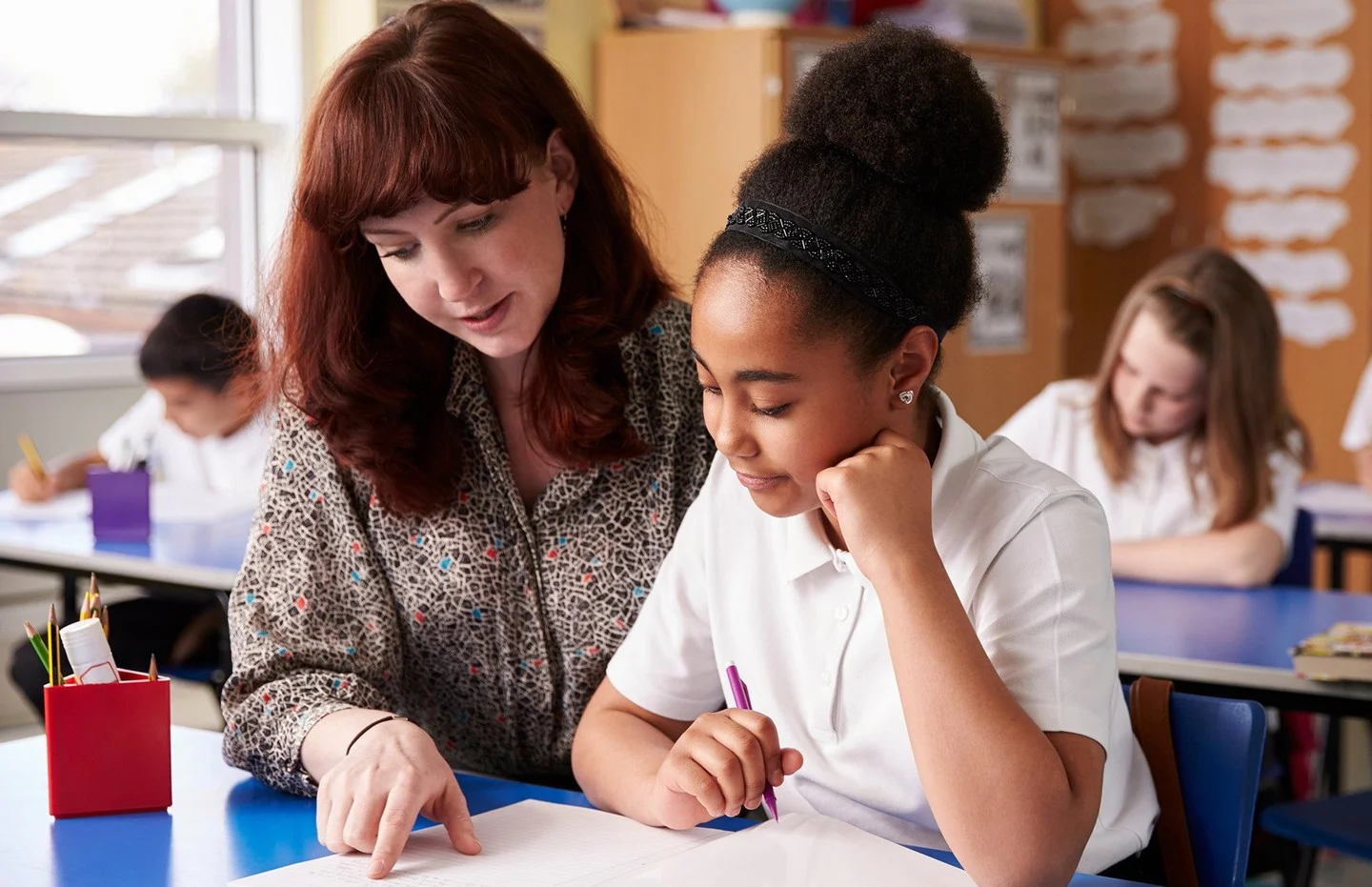
In my days teaching high schoolers, I saw eyes light up when we swapped textbooks for real debates on climate action. Suddenly, kids weren’t reciting dates; they were plotting community gardens. This approach builds resilience, curiosity, and a sense of agency that sticks long after the bell rings.
At its core, it’s inclusive—reaching across backgrounds, ages, and abilities—to foster growth that feels personal and profound.
The Roots of Empowerment in Learning
Rooted in thinkers like Paulo Freire, who championed education as liberation, this mindset treats students as co-creators, not passive recipients. It’s evolved with tech, blending ancient wisdom with apps that make learning bite-sized and bold.
I’ve shared stories with friends from rural India who accessed free MOOCs during lockdowns, turning isolation into innovation. It’s proof: Empowerment starts with access but thrives on relevance.
These roots remind us education should challenge norms, not reinforce them—igniting questions that lead to action.
Why Relevance Beats Rote Every Time
Relevance hooks us because it mirrors life’s messiness. When lessons tie to personal passions, like using math to budget a startup dream, retention soars—studies show up to 90% better recall.
One student of mine, a budding artist, aced algebra by designing gallery budgets. That “aha” moment? Pure empowerment, proving skills aren’t silos but bridges to dreams.
It’s simple: Make it matter, and watch walls crumble.
Why Traditional Education Falls Short
Traditional setups often churn out test-takers, not trailblazers. They’re built for an industrial age—rows of desks, one-size-fits-all pacing—that leaves too many feeling sidelined. Sure, they lay foundations, but in 2025’s whirlwind economy, foundations alone crack under pressure.
I remember cramming for exams that vanished from my brain by summer. It felt like sprinting on a treadmill—exhausting, but nowhere. Billions pour into systems that prioritize compliance over creativity, widening gaps for underrepresented voices.
The result? Graduates adrift, questioning if school equipped them for reality’s curveballs.
The Hidden Costs of Outdated Models
These models stifle innovation, with rigid curricula ignoring diverse needs. In low-income areas, dropout rates hover at 20-30%, per UNESCO data, not from laziness but irrelevance.
A friend quit college after lectures droned on theory sans practice; she thrived in apprenticeships instead. The cost? Lost potential, echoing in stagnant wages and unfulfilled lives.
Reform isn’t optional—it’s urgent for equity.
Spotting the Signs in Your Own Journey
Ever felt that post-graduation fog? Signs include boredom in class or skills rusting on the job. Spot them early, and pivot—maybe audit a course or join a makerspace.
My wake-up came during a layoff; I realized my degree was a ticket, not the ride. Awareness is the first step to reclaiming power.
The Lifelong Learning Revolution
Lifelong learning isn’t a buzzword—it’s survival in a world where jobs morph every five years. It’s the commitment to evolve, blending formal classes with podcasts and peer swaps. By 2030, experts predict 85% of roles will demand reskilling.
I started journaling goals weekly; it snowballed into certifications that doubled my income. It’s joyful rebellion against obsolescence, turning “I’m too old” into “Watch this.”
This revolution democratizes knowledge, making empowerment accessible via smartphones and free resources.
How It Fuels Personal and Professional Growth
It sharpens edges—critical thinking, adaptability—that employers crave. Harvard studies link continuous learners to 15% higher promotions.
Emotionally, it combats burnout; one exec I know traded boardrooms for pottery classes, rediscovering spark. Growth isn’t linear—it’s a web of wins.
Professionally, it opens doors: A barista I mentored landed tech gigs through YouTube tutorials. Fuel your path, one curiosity at a time.
Myths Busted: It’s Never Too Late
Myth one: “Lifelong learning is for the young.” Nope—adults over 50 lead enrollment surges on platforms like Coursera.
Humor me: If Ben Franklin invented lightning rods at 40-something, what’s your excuse? Start small; momentum builds empires.
Real-Life Stories: Empowerment in Action
Stories breathe life into concepts. Take Maria, a single mom from Mexico City. Traditional school left her doubting her smarts, but a community coding bootcamp? It unlocked freelance gigs funding her kids’ futures. “Education didn’t change my circumstances,” she says. “I changed them with what I learned.”
Or Jamal, a refugee in Toronto, who turned English classes into advocacy work, speaking at UN forums. These aren’t anomalies—they’re blueprints.
I’ve lived it too: Post-divorce, therapy-inspired journaling evolved into a blog that connected me with mentors worldwide. Shared struggles forge unbreakable bonds.
Lessons from Global Changemakers
From Malala’s fight for girls’ rights to Khan Academy’s free reach, these tales spotlight resilience. Malala’s words: “One child, one teacher, one book can change the world.”
In Kenya, mobile learning apps bridge rural gaps, boosting literacy 40%. Lessons? Persistence pays, and collective voices amplify.
Humor alert: If a teen with a blog can spark policy shifts, imagine your untapped power.
Everyday Heroes You Can Emulate
Your neighbor volunteering at literacy drives? Hero. Start there—mentor one person. Ripples turn to waves.
My coffee shop chats with retirees sharing war stories? Priceless history lessons. Emulate by listening, then leading.
Building Empowering Learning Environments
Craft spaces where curiosity thrives: Flexible seating, collaborative projects, tech-infused corners. Schools like Finland’s lead, with play-based days yielding top PISA scores.
At home, dedicate “wonder walls” for questions. I transformed my garage into a mini-lab; family experiments beat Netflix any night.
These environments nurture emotional safety, where failure’s a friend, not foe.
Role of Tech in Modern Classrooms
AI tutors personalize paths, like Duolingo’s adaptive streaks. VR whisks kids to ancient Rome—engagement up 75%, per EdTech reports.
But balance it: Tech amplifies, doesn’t replace, human connection. My virtual book club? Bonds deeper than expected.
Pros: Scalable, interactive. Cons: Digital divides—ensure equity.
Teacher as Guide, Not Gatekeeper
Shift from lecturer to facilitator: Pose problems, step back. One teacher’s “genius hour” freed kids to invent apps solving local woes.
Humor: Teachers aren’t dictators; they’re DJs spinning curiosity tracks. Groove with it.
Tools and Resources: Where to Start Your Journey
Navigational intent met: Dive into platforms that fit your vibe. For beginners, Khan Academy offers free, gamified basics. Transactional? Invest in tools that deliver ROI.
Here’s a quick comparison table of top lifelong learning platforms in 2025:
| Platform | Best For | Cost | Key Feature | User Rating |
|---|---|---|---|---|
| Coursera | Professional certs | $49/month | University partnerships | 4.7/5 |
| LinkedIn Learning | Career skills | $29.99/month | Integrated with job search | 4.6/5 |
| MasterClass | Creative inspiration | $180/year | Celeb-led classes | 4.8/5 |
| Duolingo | Language bites | Free (premium $6.99) | Gamified streaks | 4.7/5 |
| edX | Advanced degrees | Varies ($50+) | Micro-credentials | 4.5/5 |
Pick one, commit a week—transformation awaits.
Pros and Cons of Digital vs. In-Person Learning
- Digital Pros: Flexible, global access, cost-effective. Con: Lacks tactile feedback.
- In-Person Pros: Builds networks, hands-on. Con: Time-bound, location-locked.
Hybrid wins: Blend for balance. My online yoga plus local hikes? Peak zen.
Free vs. Paid: What’s Worth It?
Free gems like TED Talks spark ideas; paid unlocks depth, like Coursera’s feedback loops. Start free, scale up—budget-smart empowerment.
Challenges and How to Overcome Them
Barriers loom: Time crunches, motivation dips, access inequities. In underserved areas, 258 million kids miss school yearly.
Overcome with micro-habits: 15 minutes daily. I battled procrastination with accountability buddies—game-changer.
Emotional hurdles? Normalize them; growth hurts, but blooms beautifully.
Navigating Socioeconomic Hurdles
Scholarships and community centers level fields. Programs like UNESCO’s equity pushes close gaps.
One village initiative in Bangladesh wired libraries, literacy soaring 50%. Advocate locally—change starts small.
Humor: If billionaires fund space, fund your local learn-hub. Equity’s the real rocket fuel.
Mental Health: The Unsung Pillar
Stress sidelins learning; weave mindfulness in. Apps like Headspace pair perfectly with studies.
My ritual: Gratitude journals pre-bed. It turned anxiety to anticipation—try it.
People Also Ask: Common Curiosities Explored
Drawing from real Google queries, here’s the scoop on what folks wonder most.
How Does Education Empower Individuals?
It equips you with tools for decisions, from voting booths to boardrooms. Studies show educated folks earn 10% more per year schooled.
Beyond bucks, it builds confidence—like my shift from shy speaker to TEDx stage.
Empowerment? It’s claiming your narrative.
What Barriers Block Lifelong Learning?
Time, money, tech access top the list. But micro-courses and libraries hack them.
In my circle, busy parents swap babysitting for study groups. Barriers bend to ingenuity.
Why Is Lifelong Learning Essential?
Jobs evolve; skills stale. By 2025, 50% of workers need reskilling.
It keeps you vibrant—think retirees coding apps. Essential? It’s oxygen for the soul.
How Can I Start Lifelong Learning Today?
Pick a passion, find a free resource. Duolingo for languages, YouTube for skills.
I began with podcasts during commutes—now, it’s habit. Today: One video. Tomorrow: World-changer.
FAQ: Your Burning Questions Answered
What Is Education for Life Exactly?
It’s continuous growth beyond classrooms—skills, mindsets for thriving amid change. Not a diploma, but a compass. Featured snippet style: Education for life means ongoing personal development through formal and informal means, fostering adaptability and fulfillment.
Where Can I Find Free Resources for Empowering Education?
Start with UNESCO’s open access or Khan Academy. Local libraries host workshops too. No excuses—knowledge knocks free.
Best Tools for Lifelong Learning in 2025?
Coursera for depth, Duolingo for fun. See our table above—tailor to you. Transactional tip: Subscriptions under $50/month yield big returns.
How Does Empowering Education Promote Equality?
By dismantling access walls, like girls’ programs boosting enrollment 30%. It’s the great equalizer, turning “impossible” to “I’m possible.”
Can Adults Really Reinvent Careers Through Learning?
Absolutely—my pivot from retail to consulting proves it. Platforms like LinkedIn Learning guide 70% of mid-career shifters.
Wrapping It Up: Your Next Chapter Awaits
We’ve journeyed from dusty desks to digital dynamos, unearthing how education empowers not just minds, but lives. It’s messy, lifelong, and utterly worth it—like that first solo road trip, scary but scenic. Remember Maria’s code, Jamal’s voice, my garage lab? They’re you, waiting for the spark.
Challenge: Pick one tool, one story, one small step today. Link it to our internal guide on starting micro-learning. The world’s your canvas—paint boldly. What’s your first move? Drop a thought below; let’s empower each other.