Education isn’t just about getting a degree or passing exams—it’s the foundation for personal growth, opportunity, and a better life. From shaping how we think to opening doors to careers, education is a lifelong journey that empowers us. In this article, I’ll share why education matters, weaving in personal stories, practical insights, and data to show its transformative power.
What Is Education, Really?
Education is more than sitting in a classroom or memorizing facts. It’s about gaining knowledge, developing skills, and learning how to navigate the world. Whether through formal schooling, online courses, or life experiences, education shapes who we are.
Formal vs. Informal Education
Formal education includes structured systems like schools and universities, while informal education happens through self-learning, mentorship, or real-world experiences. Both are vital for personal growth. For example, my cousin learned coding through YouTube tutorials, proving you don’t always need a degree to succeed.
Education as a Mindset
Education teaches critical thinking, problem-solving, and adaptability. It’s about cultivating a mindset of curiosity. When I was a kid, my teacher encouraged me to ask “why” about everything, sparking a love for learning that still drives me today.
Why Education Is a Game-Changer
Education unlocks opportunities that might otherwise stay out of reach. It’s the key to better jobs, healthier lives, and stronger communities. Studies show that educated individuals earn 20-50% more than those without higher education, according to the U.S. Bureau of Labor Statistics.
Economic Benefits of Education
A solid education often leads to financial stability. Graduates with a bachelor’s degree earn about $1.2 million more over their lifetime than non-graduates. This isn’t just about money—it’s about the freedom to live life on your terms.
Personal Growth and Confidence
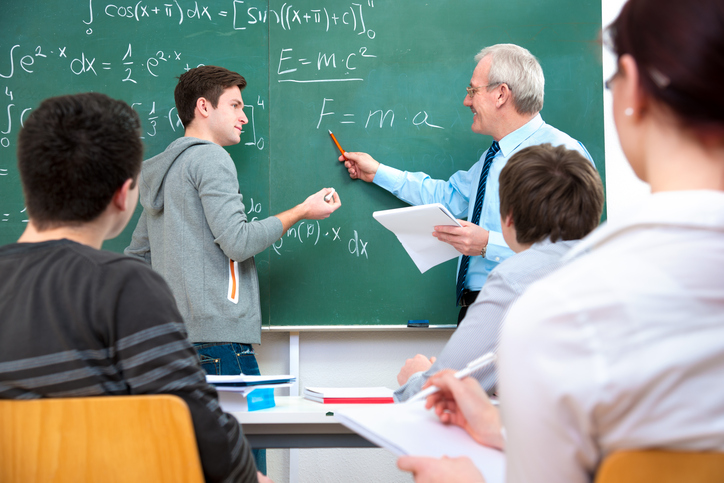
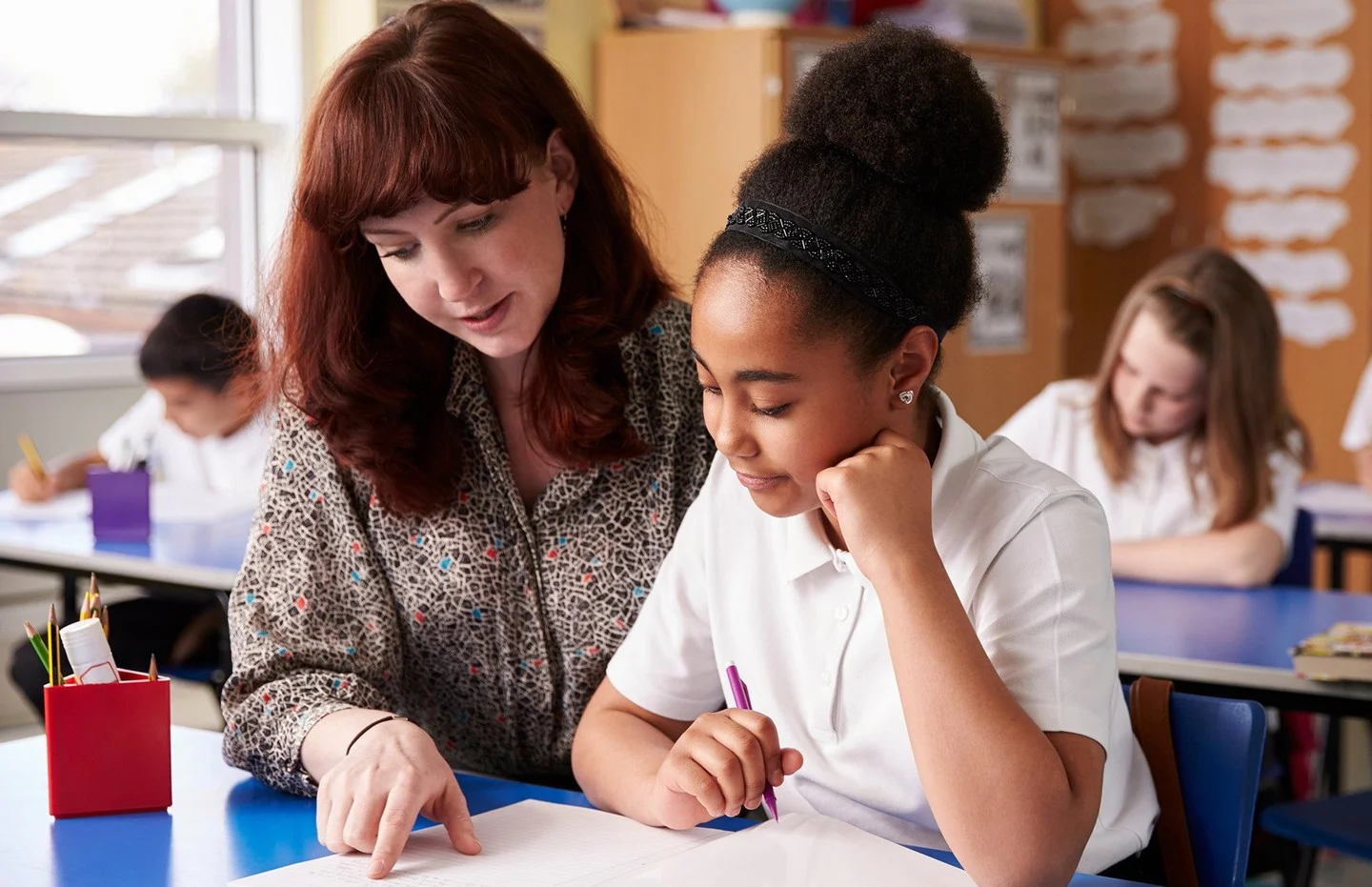
Education builds self-esteem and resilience. I remember struggling with math in high school, but a patient teacher helped me master algebra. That small victory gave me the confidence to tackle bigger challenges, proving education’s role in personal empowerment.
Social Impact of Education
Educated individuals contribute to society by voting, volunteering, and innovating. UNESCO reports that each additional year of schooling reduces the likelihood of poverty by 9%. Education creates a ripple effect, lifting entire communities.
How Education Shapes Your Career
A good education lays the groundwork for professional success. It equips you with skills employers value and opens doors to diverse industries. But it’s not just about credentials—it’s about what you do with them.
Skills Employers Crave
Education teaches transferable skills like communication, teamwork, and problem-solving. A 2023 LinkedIn report listed these as top skills employers seek. Whether you’re a doctor or a designer, these skills make you indispensable.
Education and Job Opportunities
Degrees and certifications often act as gatekeepers to high-paying jobs. For instance, tech fields like software engineering often require at least a bachelor’s degree or equivalent experience. Online platforms like Coursera offer affordable ways to gain these skills.
Lifelong Learning in a Changing World
The job market evolves fast—think AI and automation. Continuous learning keeps you relevant. My friend, a marketing manager, took a data analytics course to stay competitive, landing a promotion within months.
Education’s Role in Personal Development
Beyond careers, education shapes who you are. It fosters empathy, discipline, and a broader worldview. It’s like planting a seed that grows into a tree of wisdom over time.
Building Critical Thinking
Education teaches you to question assumptions and analyze information. During college, I debated complex topics in philosophy class, which sharpened my ability to see multiple perspectives—a skill I use daily.
Fostering Creativity
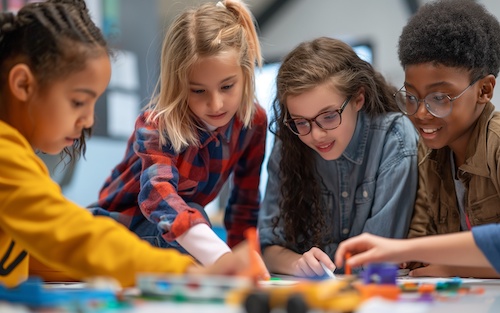
From art classes to science projects, education sparks creativity. I once helped a group of students build a model rocket for a science fair. Their joy in creating something from scratch showed me how education fuels innovation.
Emotional Intelligence
Learning to work in groups or handle failure builds emotional intelligence. Schools and universities often provide environments to practice these skills, preparing you for real-world relationships.
Comparing Education Systems: Traditional vs. Modern
| Aspect | Traditional Education | Modern Education |
|---|---|---|
| Delivery | Classroom-based, teacher-led | Online, self-paced, interactive |
| Accessibility | Limited by location and cost | Global access via platforms like Udemy |
| Focus | Standardized curriculum | Personalized, skill-based learning |
| Cost | Often expensive (e.g., college tuition) | Affordable or free options available |
Traditional education offers structure, while modern systems prioritize flexibility. Both have value, but modern options like Khan Academy make learning accessible to all.
Pros of Traditional Education
- Structured environment fosters discipline.
- In-person interaction builds social skills.
- Recognized credentials open career doors.
Traditional systems provide a clear path, especially for fields like medicine or law, where formal degrees are non-negotiable.
Cons of Traditional Education
- High costs can lead to student debt.
- One-size-fits-all approach may not suit everyone.
- Limited flexibility for working adults.
For some, the rigidity of traditional education feels like trying to fit a square peg in a round hole.
Pros of Modern Education
- Affordable and accessible to a global audience.
- Learn at your own pace, balancing work and study.
- Focus on practical, in-demand skills.
Platforms like edX let you learn from top universities without leaving home.
Cons of Modern Education
- Requires self-discipline and motivation.
- Lack of in-person interaction can feel isolating.
- Some employers still prioritize traditional degrees.
Modern education suits self-starters but may not carry the same weight in certain fields.
Where to Get Quality Education
Finding the right educational path depends on your goals, budget, and lifestyle. From universities to online platforms, options abound.
Top Universities and Colleges
Institutions like Harvard or MIT offer world-class education, but local colleges can be just as impactful. Research accreditation and program rankings to ensure quality.
Online Learning Platforms
Sites like Udemy, Coursera, and LinkedIn Learning provide affordable courses. For example, Udemy’s coding bootcamps cost as little as $15 during sales.
Community and Vocational Programs
Community colleges and trade schools offer practical training for careers like nursing or welding. These programs are often cheaper and faster than four-year degrees.
Best Tools for Self-Education
Self-education is a powerful way to grow without breaking the bank. Here are some top tools to get started:
- Duolingo: Learn languages for free with gamified lessons.
- Google Scholar: Access academic papers for research.
- Notion: Organize your learning with customizable templates.
- YouTube: Free tutorials on virtually any topic.
These tools make learning accessible, whether you’re mastering Python or picking up guitar chords.
People Also Ask (PAA)
Why is education important in our life?
Education equips you with knowledge, skills, and confidence to succeed personally and professionally. It opens career opportunities and fosters critical thinking. From earning potential to social impact, education is a cornerstone of a fulfilling life.
What are the benefits of education?
Education boosts income, improves health, and reduces poverty. It builds skills like problem-solving and communication, enhancing both personal and professional growth. Plus, it’s a gateway to new experiences and perspectives.
How does education impact society?
Education drives economic growth, reduces crime, and promotes equality. Educated individuals are more likely to vote and volunteer, creating stronger communities. It’s a catalyst for positive change on a global scale.
Can you succeed without education?
Yes, but it’s harder. Self-taught entrepreneurs like Elon Musk prove it’s possible, but education provides a structured path to success. It’s like having a map versus wandering in the dark.
Challenges of Accessing Education
Not everyone has equal access to education, which is a real hurdle. Costs, location, and systemic barriers can stand in the way, but solutions exist.
Financial Barriers
Tuition fees can be daunting. Scholarships, grants, and online courses offer affordable alternatives. For example, FAFSA helps millions access financial aid in the U.S.
Geographical Limitations
Rural areas may lack quality schools. Online platforms bridge this gap, bringing education to remote corners. My cousin in a small town learned graphic design online, proving distance isn’t a dealbreaker.
Social and Cultural Barriers
Some face discrimination or cultural expectations that limit education. Community programs and NGOs are working to change this, offering support for underrepresented groups.
FAQ Section
How does education improve quality of life?
Education enhances earning potential, health, and social engagement. It empowers you to make informed decisions and pursue your passions. Ultimately, it leads to a more fulfilling, stable life.
Is online education as effective as traditional education?
Yes, if you’re disciplined. Online courses offer flexibility and access to top-tier content, but they require self-motivation. Studies show online learners can achieve similar outcomes to traditional students.
What are the best free resources for education?
Khan Academy, Coursera (audit mode), and YouTube offer free, high-quality content. Libraries and open-access journals like Google Scholar are also excellent for self-learners.
How can I stay motivated to keep learning?
Set clear goals, break learning into small chunks, and reward progress. Joining study groups or online communities can keep you accountable. Find joy in the process, like mastering a new skill.
Why is early childhood education important?
Early education builds foundational skills like reading and critical thinking. It shapes brain development, with studies showing kids in quality preschool programs perform better later in life.
Conclusion: Education Is Your Superpower
Education is more than a piece of paper—it’s a tool for transformation. It’s the spark that turned my shy friend into a confident public speaker and helped my neighbor escape poverty through a trade school. Whether you’re studying at a top university or learning from free YouTube tutorials, education empowers you to shape your future. Start small, stay curious, and never stop learning. Your next big breakthrough is just one lesson away.