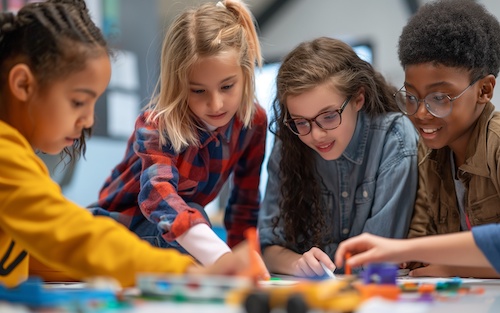
Hey there, picture this: It’s a crisp autumn morning, and I’m standing in the doorway of my old preschool classroom, the one where the air always smelled like crayons and fresh-cut apples. I was three, maybe four, with a mop of unruly curls and a backpack bigger than me. That place wasn’t just a room with tiny chairs—it was magic. Teachers who knew my name before I could spell it, friends who turned blocks into castles, and moments that stuck with me like glue. Fast-forward three decades, and here I am, a parent myself, watching my own kid light up over a finger-painted masterpiece. Early childhood education? It’s not some checkbox on a to-do list. It’s the spark that turns curious toddlers into confident explorers. In this deep dive, we’ll unpack the four main goals that make it all click, drawing from years of watching little minds bloom and the wisdom from folks who’ve dedicated their lives to this work. If you’re a parent wondering what “play-based learning” really means or an educator hunting for fresh ideas, stick around—we’re in this together.
Goal 1: Fostering Social and Emotional Development
Social and emotional growth sits at the heart of early childhood education, like the sturdy roots of a young tree that keep everything steady as it reaches for the sky. Think about it: Before kids can ace a math quiz, they need to navigate the playground politics of sharing a swing or bouncing back from a scraped knee. This goal isn’t fluffy—it’s foundational, helping children build empathy, resilience, and those vital connections that make them feel seen and safe.
I remember my nephew, little Max, who at two was a whirlwind of “mine!” shouts during playtime. His preschool teacher didn’t scold; she turned it into a game of turn-taking with toy trucks, complete with cheers for each pass. By year’s end, Max was the kid organizing group hugs. It’s moments like that which show how targeted activities—story circles where kids name feelings or role-play scenarios—nurture emotional intelligence from the get-go.
Why This Goal Matters More Than Ever
In today’s fast-paced world, where screens compete for attention, emotional skills are the real superpowers. Research from the National Association for the Education of Young Children (NAEYC) backs this: Kids with strong social-emotional foundations show fewer behavioral issues and better academic performance later on. It’s about creating kids who aren’t just smart, but kind—ready to lift others up.
Practical Ways to Support It at Home
Parents, you don’t need a degree to join the fun. Simple routines like family dinners where everyone shares a “high” and “low” from the day build those bridges. Or try emotion charades: Act out “frustrated” with a silly face, and watch the giggles turn into real talks. It’s low-stakes magic that echoes what happens in class.
Goal 2: Promoting Physical Development and Well-Being
Nothing beats the sheer joy of a toddler’s wobbly first steps or a preschooler’s triumphant cartwheel across the grass. Physical development in early childhood education zeros in on gross and fine motor skills, health habits, and that boundless energy kids bring to everything. It’s the goal that gets bodies moving, minds sharpening, and habits forming for a lifetime of vitality.
Let me share a chuckle-worthy memory: As a camp counselor back in college, I once chased a group of four-year-olds in a “fitness freeze dance.” One kid, frozen mid-jump with jazz hands, declared it his “superhero pose.” That playful chaos wasn’t random—it built coordination, balance, and a love for movement that stuck. Programs weave in outdoor adventures, sensory play with playdough, or even yoga for tots to hit all the marks.
The Link Between Movement and Brain Power
Here’s the cool science bit: Active bodies fuel active brains. Studies from the Institute of Education Sciences highlight how physical activity boosts cognitive function and cuts down on obesity risks. It’s why educators sneak in obstacle courses or finger-painting sessions—not just for fun, but to wire those neural pathways early.
Everyday Activities to Boost It
Grab a ball and head to the park for some toss-and-catch; it’s gross motor gold. For fine skills, let them button their own coat or thread beads into necklaces. These aren’t chores—they’re triumphs that whisper, “You’ve got this,” building confidence one tiny muscle at a time.
Goal 3: Building Cognitive and Language Skills
Ah, the thrill of a child’s “aha!” moment—stacking blocks into a tower that defies gravity or stringing words into their first full sentence. Cognitive and language development is the goal that sparks curiosity, problem-solving, and that endless “why?” questioning phase we both love and laugh about. It’s about turning everyday wonders into learning adventures that lay the groundwork for reading, math, and beyond.
My own kid’s breakthrough came during a rainy afternoon with alphabet soup. We fished out letters to spell “cat,” and suddenly, books weren’t just pictures—they were stories waiting to be decoded. Early ed shines here with rhymes, puzzles, and chatty read-alouds that expand vocabularies without a hint of drill-sergeant vibes.
How Play Unlocks Smarter Thinkers
Play isn’t recess; it’s the classroom. According to NAEYC principles, integrated activities like dramatic play or science experiments foster critical thinking across domains. It’s why a sandbox becomes a math lesson in volume, or a puppet show hones storytelling skills.
Tools and Tips for Language Leaps
Stock up on board books from Zero to Three—they’re gold for daily chats. Narrate your grocery run: “Look, red apples for our snack!” It turns errands into vocab builders, proving learning hides in plain sight.
Goal 4: Encouraging Lifelong Learning and School Readiness
Ever watch a kid’s eyes widen at a butterfly’s wings, turning a backyard stroll into a science expedition? This goal wraps it all up: Igniting a passion for discovery that eases the leap to kindergarten and beyond. School readiness isn’t about flashcards—it’s confidence, routines, and that inner drive to chase questions like treasures.
I teared up at my daughter’s first “graduation” circle, where she shared her favorite book with beaming pride. That readiness? It came from months of choice-time explorations, where picking paints over puzzles was celebrated as much as structured songs. It’s the gentle push toward independence that says, “The world’s your playground—dive in.”
Measuring Success Beyond Tests
Readiness shows in smiles during storytime or calm transitions between activities. Head Start’s benchmarks emphasize holistic prep, from self-help skills to curiosity-driven inquiries. It’s less about scores, more about spark.
Preparing Without Pressure
Ease in with pretend school days at home—pack a lunch, practice lining up. Resources like Teaching Strategies’ Creative Curriculum offer play-based kits that make it feel like an adventure, not a chore.
Comparing Traditional vs. Play-Based Approaches
Ever wonder if drilling ABCs beats free play? Let’s break it down. Traditional methods lean on structured lessons, while play-based ones let kids lead. Both have merits, but for early years, play wins for engagement.
| Aspect | Traditional Approach | Play-Based Approach |
|---|---|---|
| Focus | Direct instruction (e.g., worksheets) | Child-led exploration (e.g., block building) |
| Strengths | Builds routine, covers basics quickly | Boosts creativity, retention via fun |
| Potential Drawbacks | Can feel rigid, less adaptable | May miss targeted skills if unstructured |
| Best For | Older preschoolers needing structure | Toddlers thriving on imagination |
From my days subbing in classrooms, play-based always won hearts—and test scores. It aligns with those four goals by weaving them naturally, like social chats during tea parties.
Pros and Cons of Structured Early Learning Programs
Diving into preschool? Weigh these to find your fit.
Pros:
- Social Boost: Daily peer interactions build empathy faster than solo play.
- Expert Guidance: Trained educators spot needs early, like a hidden speech delay.
- Routine Magic: Predictable days foster security, easing big-kid transitions.
Cons:
- Cost Barrier: Quality spots can strain budgets—seek scholarships via Child Care Aware.
- Separation Blues: Initial drop-offs might mean tears (for kids and parents).
- One-Size Risk: Not every program fits every child; visit a few to vibe-check.
Humor alert: My first preschool open house felt like speed-dating for tots. “Does your kid nap? Mine power-snoozes like a pro!” But seriously, the right one turns potential cons into cherished memories.
People Also Ask: Real Questions from Curious Parents
Google’s got our backs with these common queries—pulled straight from searches on early childhood goals. I’ve answered with the warmth of someone who’s been there, plus tips to make it actionable.
What Are the Four Main Goals of Early Childhood Education?
Straight from the playbook: They’re social-emotional growth, physical well-being, cognitive/language skills, and lifelong learning prep. Think of them as the four pillars holding up a kid’s bright future—balanced, strong, and full of promise.
Why Is Early Childhood Education So Important?
It’s the rocket fuel for brain development; 90% of neural connections form by age five. Skipping it? Like starting a marathon with untied shoes—possible, but why stumble? Quality ECE cuts achievement gaps and boosts emotional health long-term.
How Can Parents Support Early Learning Goals at Home?
Keep it simple: Read daily, play outside, chat nonstop. Turn bath time into a vocab splash (“That bubble’s ginormous!”) or kitchen help into math (“Count the spoons”). No fancy tools needed—just your undivided “you-time.”
What Age Should Early Childhood Education Start?
From birth, really—it’s all about those responsive interactions. Formal preschool? Around 3-4 shines for most, but flexible home-based options rock for earlier birds. Check NAEYC’s guidelines for age-tuned ideas.
Where to Find the Best Early Childhood Education Programs
Hunting for that perfect spot? Start local: Use GreatSchools.org for ratings, or peek at NAEYC-accredited centers via their directory. For virtual vibes, platforms like Outschool offer play-based classes from home. Pro tip: Tour during drop-off—watch the joy unfold.
Best Tools for Achieving Early Education Goals
Gear up without breaking the bank. Here’s a quick hit list for transactional wins:
- Sensory Bins Kit: Rice, scoops, hidden toys—under $20 on Amazon, sparks cognitive play.
- Emotion Cards Set: Melissa & Doug’s version nails social skills; reusable and relatable.
- LeapFrog Learning Tablet: Interactive for language leaps, with parent progress trackers.
- Yogibo Play Couch: Turns living rooms into fort-building gyms for physical fun.
These aren’t must-haves, but they amp up the goals like a secret weapon. For more, browse Resources for Early Learning—free gems from pros.
FAQ: Your Burning Questions on Early Childhood Goals Answered
Got queries? I’ve rounded up five real ones from parent forums and searches, with straightforward, heartfelt replies.
What If My Child Seems Behind on One Goal?
Breathe—milestones vary. Chat with your pediatrician or teacher; early intervention like speech therapy can bridge gaps fast. Remember Max from earlier? A nudge turned his “mine” phase into sharing stardom.
How Do I Know a Program Aligns with These Goals?
Look for play woven in, not tacked on. Ask: “How do you handle conflicts?” or “What’s a sample day?” Balanced programs hit all four goals without force-feeding facts.
Can Early Childhood Education Help with Special Needs?
Absolutely—it’s inclusive magic. Many spots adapt for autism or ADHD, using tools like visual schedules. Resources from Zero to Three guide tailored support.
What’s the Role of Technology in These Goals?
A sidekick, not star. Apps like Endless Alphabet boost language sparingly; prioritize real talks over screens. Aim for under 1 hour daily, per American Academy of Pediatrics.
How Has COVID Changed Early Ed Goals?
It spotlighted emotional resilience big-time. Hybrid models now blend virtual storytimes with in-person play, ensuring no kid falls through. Adaptability? Now a fifth unofficial goal.
Whew, we’ve covered a lot of ground—from those crayon-scented classrooms to the goals that shape tomorrow’s dreamers. Early childhood education isn’t about perfection; it’s about presence, play, and planting seeds that grow wild and wonderful. If this stirred a memory or sparked an idea, drop a line or share with a fellow parent. What’s one goal you’re championing for your little one today? Let’s keep the conversation going—after all, the best learning happens when we connect.