Hey there, picture this: It’s the early 2000s, and I’m a wide-eyed kid raiding my older sister’s closet for those low-rise jeans that somehow made everyone feel like a pop star. I squeezed into a pair, added a chunky belt, and strutted out feeling invincible—until the waistband decided to rebel halfway through the school day. That cringe-worthy moment? My first brush with a fashion trend. It hooked me, though, and years later, as someone who’s styled outfits for friends, blogged about street style, and even dabbled in personal shopping gigs, I’ve come to see trends not as fleeting whims but as the heartbeat of how we show up in the world. If you’re wondering what exactly makes something “trendy” or why we chase these shifts like they’re oxygen, stick with me. This isn’t just about clothes; it’s about the stories we wear and why they pull us closer to each other—or push us to evolve.
Defining a Fashion Trend: More Than Just What’s “In”
At its core, a fashion trend is a style, silhouette, or vibe that catches fire and spreads like wildfire through culture, influencing how people dress for a stretch of time—could be a season, a year, or even a decade. It’s not random; it’s born from a mix of societal moods, tech tweaks, and creative sparks that make us all nod and think, “Yeah, that’s me right now.” Think of it as fashion’s way of whispering (or shouting) about what’s shifting in our collective psyche.
I’ve chased trends from Y2K revivals to pandemic-era loungewear, and what hits me every time is how they feel alive, almost breathing with the moment.
The Origins: Where Do Fashion Trends Even Come From?
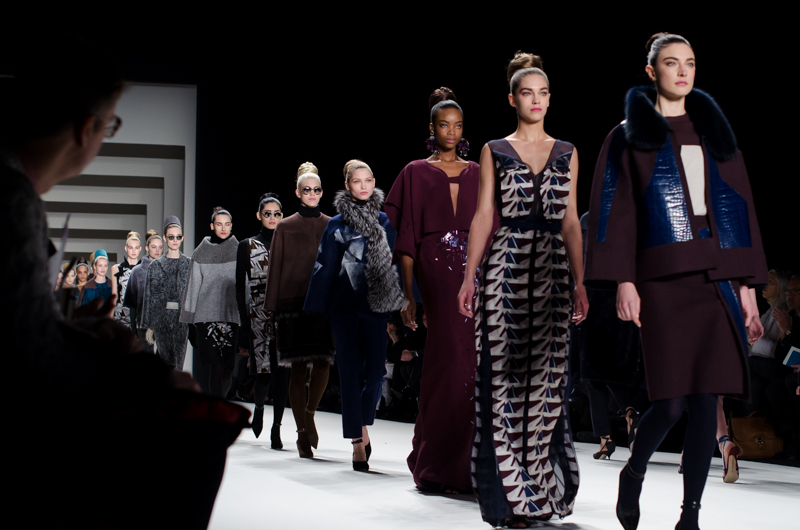
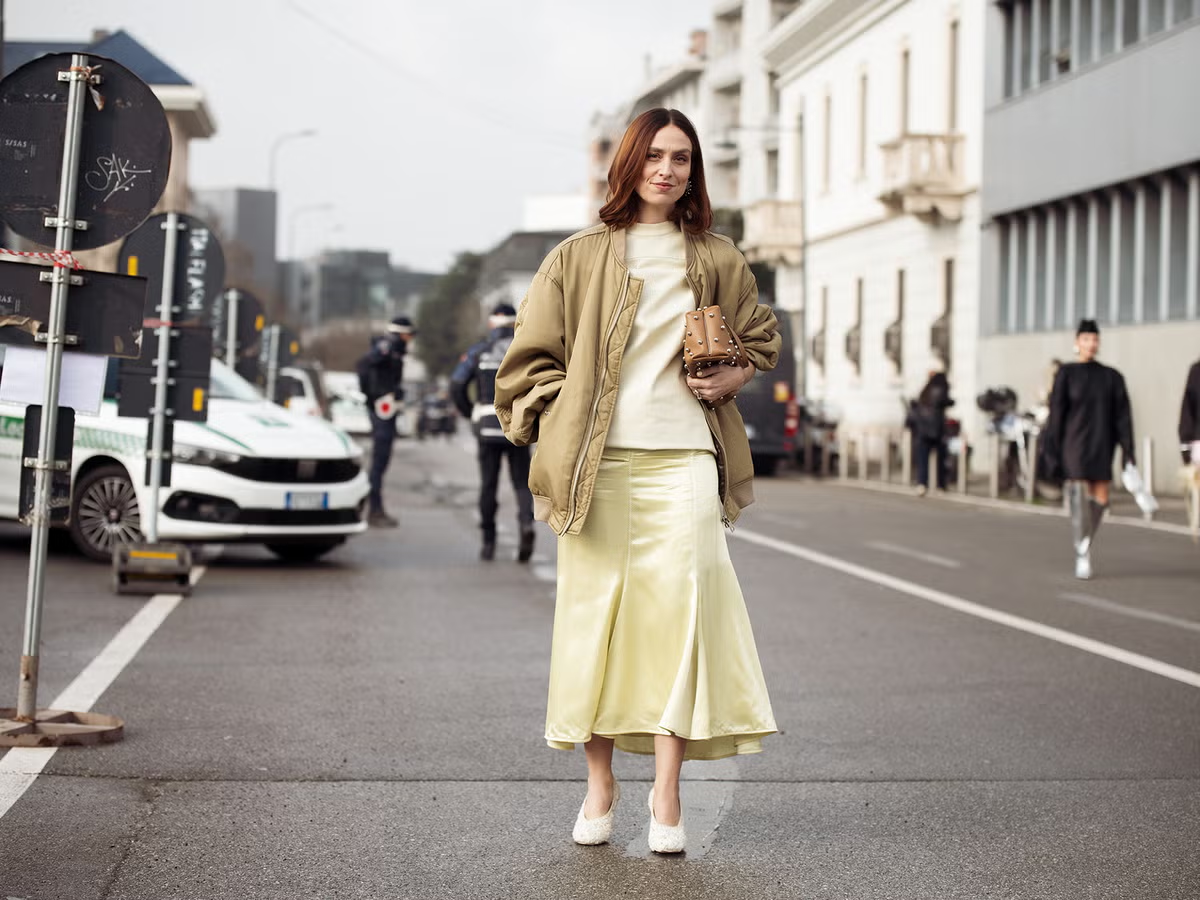
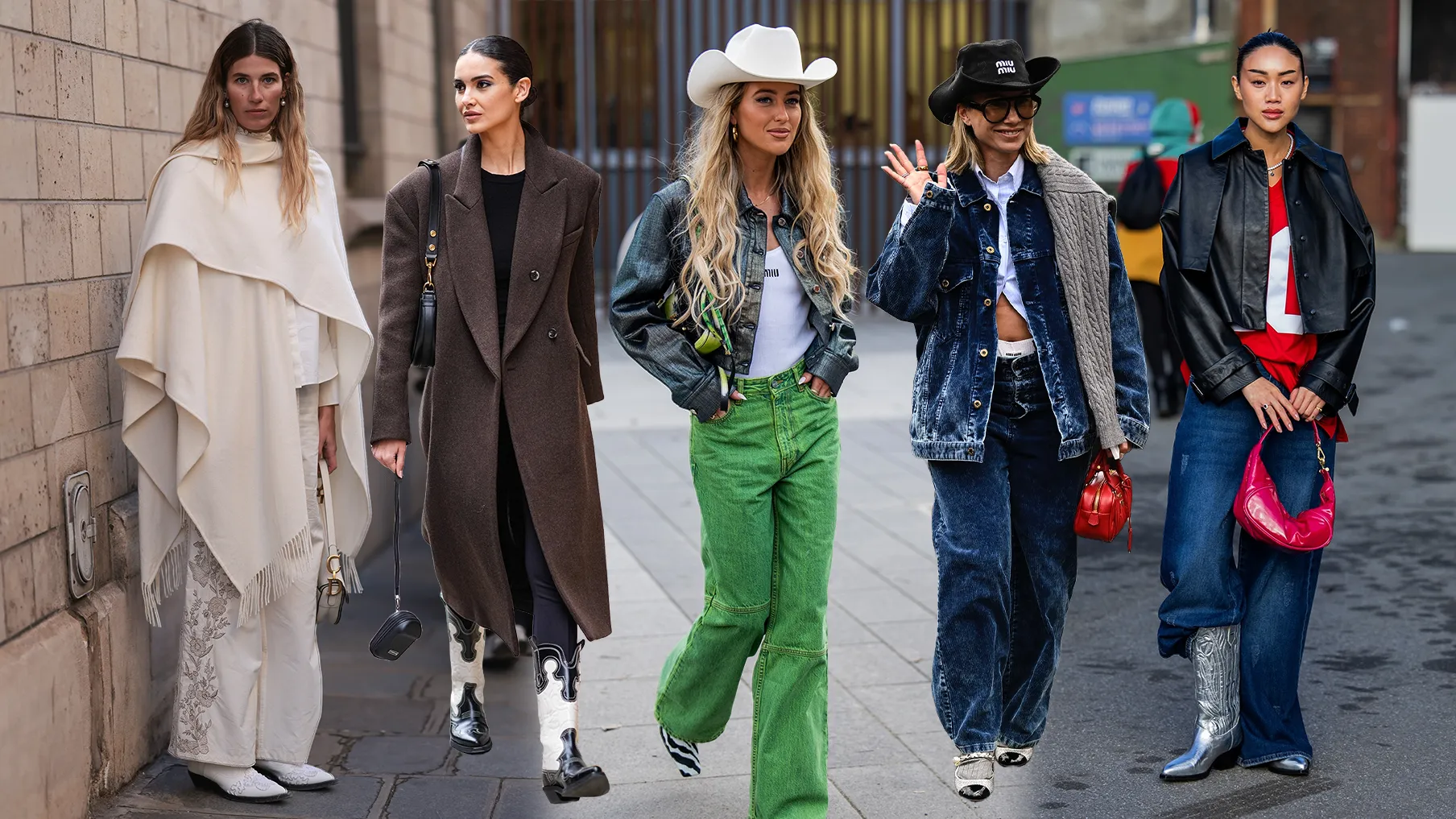
Trends don’t pop up overnight—they brew in the chaos of runways, social feeds, and street corners. Designers draw from history, pop culture, or global events, then influencers and everyday folks remix them until they stick. It’s a dance between high-end visionaries and the crowd’s raw energy, turning a sketch into something you spot on your neighbor.
Remember when oversized blazers exploded during remote work days? It started with a few bold runway looks but exploded because we all craved that cozy armor for Zoom calls.
The Life Cycle of a Trend: From Spark to Fade
Every trend follows a rough arc: introduction by innovators, rise through early adopters, peak in the mainstream, decline as it gets overdone, and maybe a revival later. This cycle keeps fashion fresh but also reminds us nothing lasts forever—except maybe denim’s stubborn grip on our hearts.
Spotting the stages helps you ride the wave without wiping out; I once jumped on bell-bottoms too early and ended up explaining my “vintage experiment” to confused colleagues.
Why Trendy Fashion Packs Such a Punch
Self-Expression: Your Outfit as Your Story
Trendy fashion matters because it’s a megaphone for who you are—or who you’re becoming. Slipping into a bold print or sleek athleisure isn’t just about looking good; it’s declaring your vibe to the world, sparking conversations, or even boosting that inner confidence on a rough day. In a sea of sameness, a trend-aligned look says, “This is my chapter right now.”
I recall nailing a sustainable slip dress trend last summer; it wasn’t just comfy—it turned heads at a party and led to chats about eco-brands that felt genuinely connecting.
Social Glue: Trends as Tribal Signals
On a deeper level, following trends knits us into groups, signaling belonging without a word. Whether it’s Gen Z bonding over thrift flips or professionals syncing suits for boardrooms, trendy pieces create that instant “us” feeling. It’s evolution’s sneaky way of saying, “Fit in to stand out.”
Humor me here: Ever shown up to a reunion in outdated threads and felt like the odd sock? Trends fix that faster than a coffee spill panic.
Economic Engine: Fueling Creativity and Cash Flow
Trends drive the $1.7 trillion fashion industry by pushing innovation—new fabrics, designs, jobs for artisans worldwide. Brands thrive, consumers get variety, and it all circles back to us feeling seen. Without them, wardrobes would gather dust, and creativity? It’d be on life support.
As someone who’s window-shopped from flea markets to Milan-inspired boutiques, I’ve seen how a single trend spike can revive a local designer’s dreams overnight.
Pros and Cons of Chasing Trends: A Quick Reality Check
Trends are thrilling, but they’re not all glitter. Here’s a balanced take to help you decide when to dive in or sit one out.
| Aspect | Pros | Cons |
|---|---|---|
| Personal Style | Adds fresh layers to your look, keeping things exciting | Can dilute your unique vibe if overdone |
| Social Impact | Builds community and boosts confidence through shared aesthetics | Pressure to conform might spark FOMO or waste |
| Practicality | Encourages versatile wardrobe updates on a budget | Fast cycles lead to buyer’s remorse and clutter |
| Economic Side | Supports ethical brands and innovation | Fuels overconsumption in fast fashion pitfalls |
Weighing these keeps you stylish without the stress—trust me, my closet purge after the 2010s neon phase was a therapy session.
Current Fashion Trends: What’s Hot in 2025 and How to Wear Them
2025’s trends lean maximalist with a nod to nostalgia—think boho revivals, bold animal prints, and tech-infused layers that blend comfort with edge. From Chloé’s flowing lace to Marc Jacobs’ surreal doll-core twists, it’s all about fun over fuss. These aren’t just looks; they’re moods you can snag affordably.
- Boho Renaissance: Flowy maxi dresses in earthy tones—pair with chunky boots for that effortless wanderlust vibe. Where to get: ASOS boho collection starts under $50.
- Zebra Power: Swap leopard for stripes on everything from shirts to bags. It’s graphic and fierce—style with neutrals to let it roar.
- Academic Edge: Cable-knit sweaters over pleated skirts scream cozy intellect. Best tools: Thrift apps like Depop for vintage finds.
For transactional intent, check out Pinterest’s 2025 Fall Trend Report for shoppable inspo—it’s free and full of links to real buys.
Comparisons: Fast Fashion vs. Sustainable Trends—Which Wins?
In the trend game, speed versus soul creates a showdown. Fast fashion like Shein pumps out micro-trends weekly, but sustainable picks from brands like Everlane build lasting wardrobes. Here’s the breakdown:
| Category | Fast Fashion (e.g., Zara) | Sustainable (e.g., Reformation) |
|---|---|---|
| Speed to Market | Lightning-fast (weeks) | Slower (months, ethical sourcing) |
| Price Point | Budget-friendly ($20-50) | Mid-range ($100+) |
| Longevity | Short-lived, disposable | Timeless, versatile |
| Impact | High waste, low ethics | Eco-positive, quality focus |
Sustainable edges out for real value—I’ve swapped Zara hauls for Reformation staples, and my outfits feel more “me” without the guilt trip.
People Also Ask: Real Google Queries Answered
Drawing from actual search curiosities, here’s the scoop on what folks are typing into Google about trends.
How do fashion trends start?
They spark from a cocktail of runway debuts, celebrity endorsements, and social media buzz—think TikTok virality turning a quiet designer sketch into street staple overnight. It’s collaborative chaos at its best.
What makes something a trend vs. a fad?
A trend builds and evolves, like athleisure sticking around post-pandemic, while fads flame out fast, à la 2020’s Tiger King masks. Depth and cultural tie-in separate the keepers from the quirks.
Who decides what the next fashion trend is?
No single boss—it’s designers like Chemena Kamali at Chloé, influencers remixing on Insta, and us, the buyers, voting with our carts. Even AI tools now crunch data to forecast, but human spark lights the fuse.
FAQ: Your Burning Questions on Fashion Trends
Based on common user searches and chats I’ve had in styling sessions, here are straightforward answers to keep you in the loop.
What is the difference between a fashion trend and a style?
A trend is temporary buzz—like 2025’s zebra prints—while style is your enduring signature, blending trends into what feels authentically you. Trends evolve; style anchors.
How can I follow fashion trends without breaking the bank?
Thrift smart with apps like Poshmark, mix high-street steals from H&M with timeless basics, and follow free forecasters like WGSN’s public insights. I’ve built half my wardrobe this way—quality over quantity wins.
Are fashion trends influenced by social media?
Absolutely—platforms like TikTok and Instagram accelerate everything, turning niche looks into global must-haves in days. But use them as inspo, not gospel, to avoid trend overload.
Why do fashion trends repeat every 20-30 years?
Nostalgia cycles kick in; what was “ridiculous” decades ago feels fresh again as cultural vibes loop. James Laver nailed it: Trends age like fine wine—or cheese, depending on the era.
How do I know if a trend suits me?
Test it against your body, lifestyle, and gut—does it spark joy or just mimicry? Start small, like one accessory, and build. Personal fit trumps hype every time.
Wrapping It Up: Trends as Your Style Sidekick
Trends aren’t dictators; they’re invitations to play, reflect, and connect in a world that spins too fast. From that awkward jeans fiasco in my youth to curating looks that turn strangers into friends today, I’ve learned they matter because they make us feel alive—seen, bold, part of something bigger. So next time a new wave hits, ask: Does this light me up? If yes, ride it. If not, wave from the shore. Fashion’s too fun for force-fits. What’s your current obsession? Drop it in the comments—let’s swap stories.