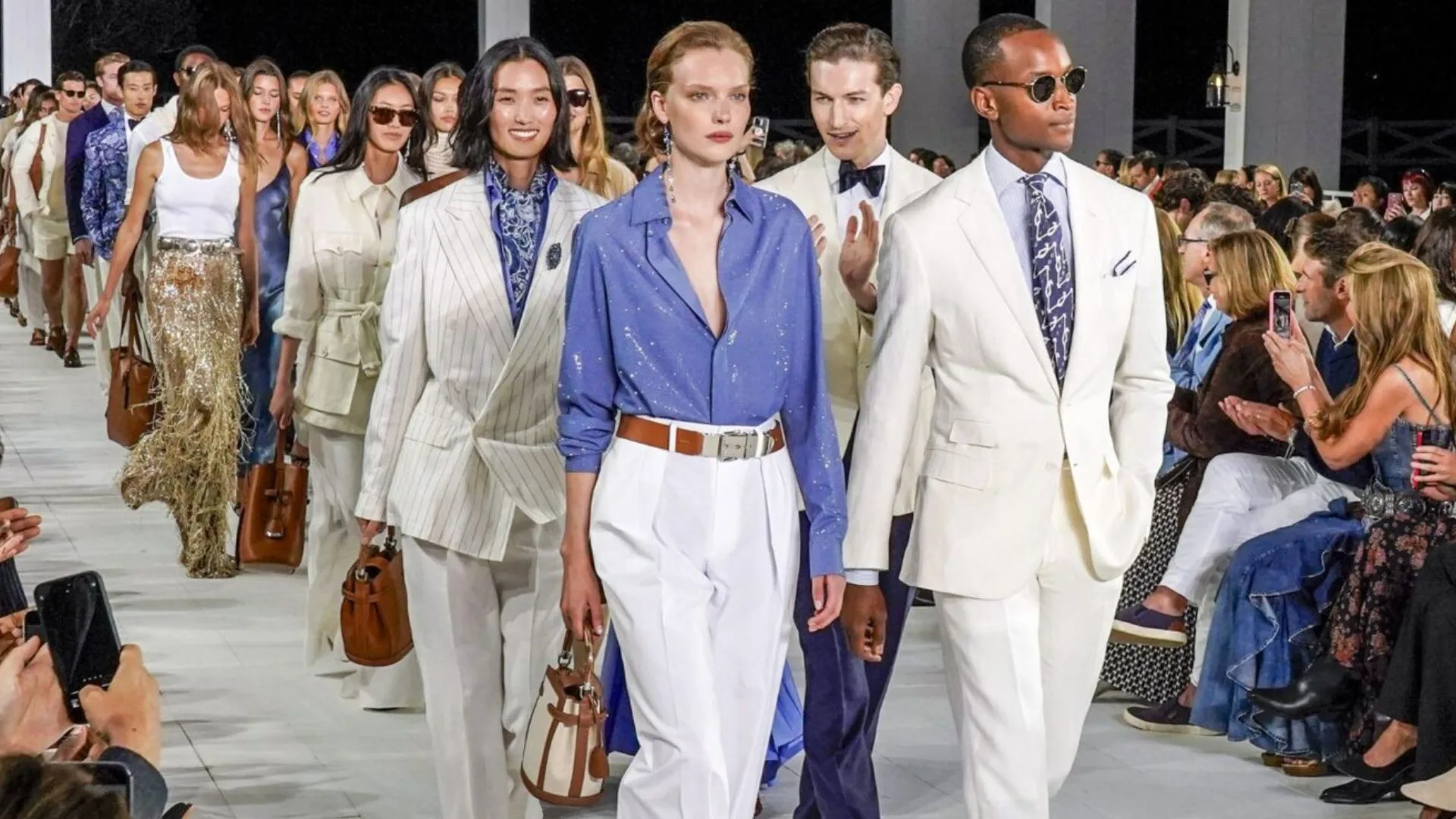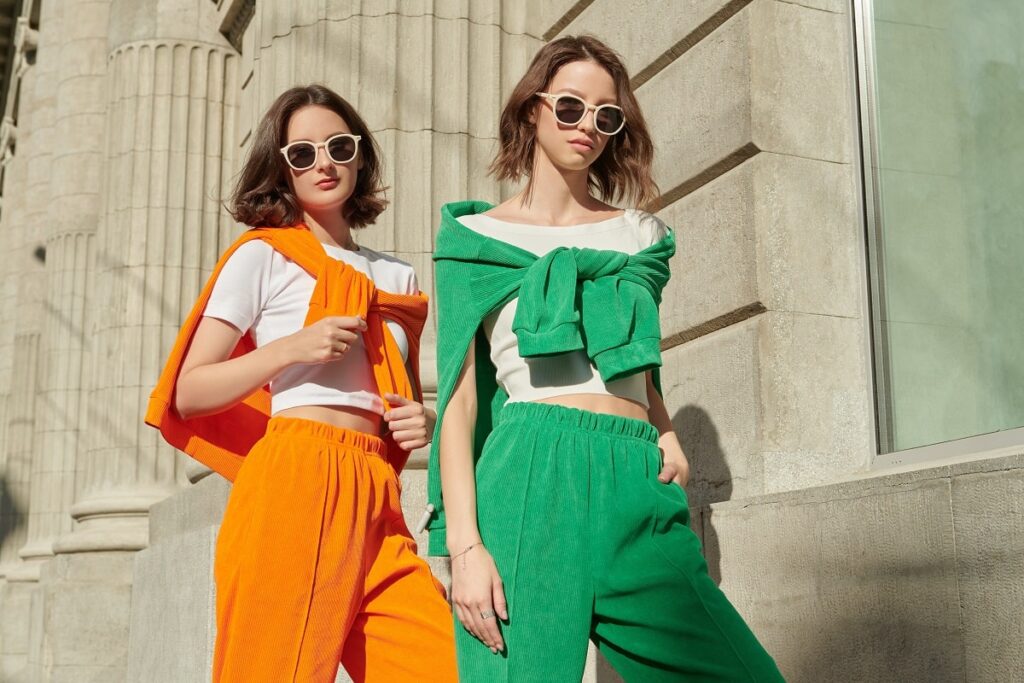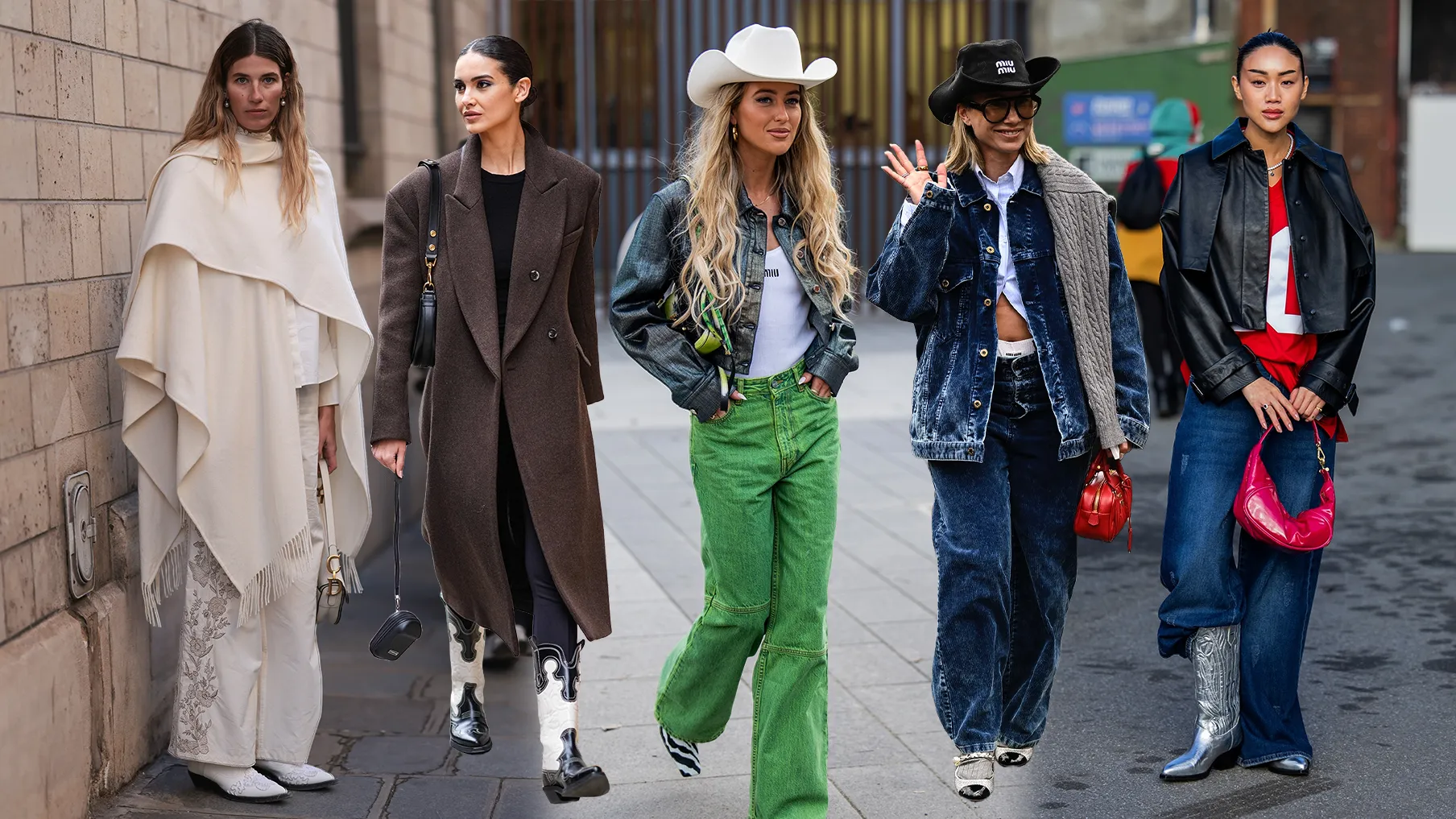
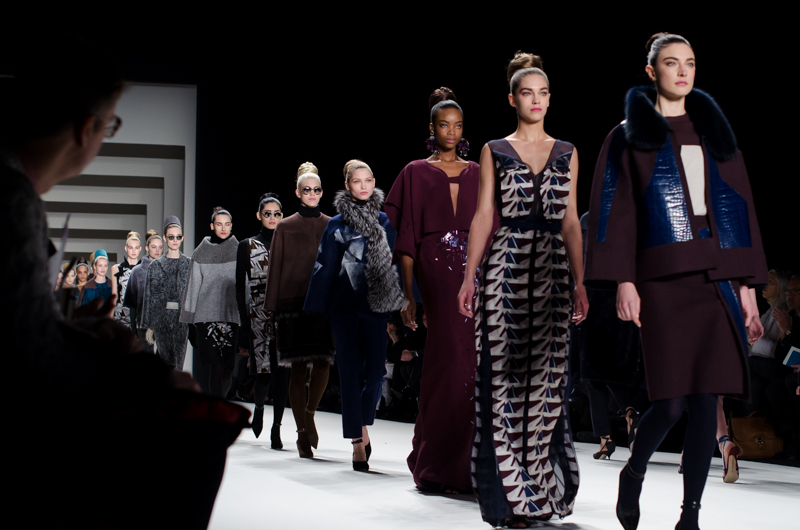
Hey there, friend. Picture this: It’s a crisp autumn morning in 2012, and I’m standing in front of my closet, staring at a pile of clothes that suddenly feel like strangers. I’d just moved to New York City for my first “real” job in fashion merchandising, and the pressure to look the part was crushing. One wrong outfit, and I’d stick out like a sore thumb among the stylish locals. That’s when it hit me—fashion isn’t just about clothes. It’s this wild, multifaceted beast that shapes who we are, how we connect, and even how the world turns. Over the years, I’ve chased trends from Milan runways to thrift shop gems, and let me tell you, understanding its four core facets changed everything. If you’re curious about what makes fashion tick beyond the glossy magazines, pull up a chair. We’re diving deep into the industry, style, aesthetics, and trends that make it all sing.
The Fashion Industry: The Engine Behind the Glamour
The fashion industry isn’t some glamorous sideshow—it’s a global powerhouse worth trillions, churning out everything from your cozy sweatpants to couture gowns that cost more than a car. At its heart, this facet covers the entire production pipeline, from raw cotton fields to retail racks, employing millions and influencing economies worldwide. Think of it as the backbone that turns ideas into wearable reality, blending creativity with cold, hard business smarts.
I’ve seen this up close during my stint at a mid-sized label in Manhattan, where I’d hustle between fabric suppliers in the Garment District and late-night fittings. One season, we pivoted to sustainable viscose after a buyer flagged ethical sourcing—suddenly, our “boring” supply chain chats became the talk of the sales floor. It’s messy, it’s massive, and yeah, it’s got its share of scandals, but without this engine, the rest of fashion would just be daydreams.
Key Players in the Fashion Ecosystem
From designers sketching in studios to factory workers stitching seams, the ecosystem hums with diverse roles that keep the wheels turning. Buyers scout trends, marketers spin stories, and retailers like Zara or ASOS bridge the gap to your cart. It’s a chain where one weak link—like delayed shipments—can tank a whole collection.
What fascinates me most is how interconnected it all is. Remember the 2020 supply crunch? Factories in Bangladesh ground to a halt, and suddenly, fast-fashion hauls felt like a distant memory. This facet teaches us resilience; it’s not just about profit, but adapting to global shifts like sustainability demands.
Economic Impact and Challenges
Globally, the industry pumps out over $2.5 trillion annually, per Britannica, fueling jobs from rural farms to urban showrooms. But challenges loom large—overproduction clogs landfills, labor ethics spark boycotts, and e-commerce giants like Amazon disrupt old-school boutiques.
I once audited a supplier trip to India, dodging monsoon floods while negotiating fair wages. Heartbreaking stories from seamstresses stuck in my head, reminding me why brands like Patagonia push for transparency. It’s a facet that demands we balance beauty with responsibility, or risk the whole machine grinding to a halt.
Pros and Cons of the Fashion Industry
- Pros:
- Drives innovation in textiles and tech, like 3D-printed shoes.
- Creates cultural bridges, exporting styles worldwide.
- Boosts local economies through events like New York Fashion Week.
- Cons:
- Environmental toll: Fast fashion contributes to 10% of global carbon emissions.
- Ethical pitfalls: Sweatshop scandals erode trust.
- Volatility: Trends shift fast, leaving warehouses full of unsold stock.
Fashion Style: Crafting Your Personal Signature
Style is where fashion gets intimate—it’s not about following the herd, but curating pieces that whisper (or shout) your story. This facet is the art of mixing wardrobe staples with quirky finds to create a look that’s uniquely you, evolving as life does. Unlike fleeting trends, style builds over time, like a well-loved playlist that just works.
Back in my early NYC days, I experimented wildly: thrift-store blazers over band tees, inspired by street-style snaps outside MoMA. One rainy commute, a colleague complimented my “effortless vibe,” and boom—confidence unlocked. Style isn’t perfection; it’s that quiet thrill when your outfit sparks a smile from a stranger.
Building a Timeless Wardrobe
Start with versatile heroes: a crisp white shirt, dark jeans, and loafers that transition from desk to dinner. Layer in personality with scarves or statement earrings, always prioritizing fit over labels. Tools like Stitch Fix can quiz your tastes for curated boxes—game-changer for busy folks.
I swear by the “capsule wardrobe” hack; mine has 30 pieces that remix into 100+ outfits. It’s liberating, ditching impulse buys for intentional choices that feel like an extension of my mood.
Style vs. Trends: A Quick Comparison
| Aspect | Style | Trends |
|---|---|---|
| Focus | Personal expression | Collective hype |
| Lifespan | Evergreen, builds over years | Seasonal, 3-6 months |
| Cost | Investment in quality | Affordable fast-fashion |
| Example | Classic trench coat | Viral TikTok color of the year |
This table highlights why blending them keeps things fresh without overwhelming your closet. Trends add spice; style is the soul.
Fashion Aesthetics: The Visual Poetry of Dress
Aesthetics in fashion is the soul-stirring side—the colors, textures, and forms that make an outfit evoke emotion, like a sunset in silk. This facet dives into the sensory magic: how a velvet drape feels luxurious or a bold print screams confidence. It’s less about rules, more about the vibe that lingers in your mind long after the mirror.
I remember thrifting a ’70s maxi in emerald green that draped like a dream; wearing it to a gallery opening, I felt like a walking poem. Aesthetics aren’t superficial—they’re how we curate joy, turning everyday wear into quiet art.
Core Elements of Aesthetic Design
Line, shape, color, and texture interplay here, guiding the eye and flattering the form. Curvy lines soften a silhouette; metallics add edge. Experiment with palettes—warm earth tones for grounded feels, neons for rebellion.
Drawing from my merchandising notes, asymmetry (think one-shoulder tops) creates intrigue, echoing Alexander McQueen‘s dramatic flair. It’s about harmony that surprises.
Emotional Power of Aesthetic Choices
Outfits can lift spirits or signal solidarity; a power suit for negotiations, florals for healing post-breakup. Humorously, I’ve worn “armor” jeans (ripped knees) to tough meetings—turns out, looking fierce fools you into feeling it.
This facet connects us culturally too. Japanese wabi-sabi inspires imperfect beauty in Uniqlo basics, reminding us aesthetics heal as much as they dazzle.
Pros and Cons of Aesthetic-Focused Fashion
- Pros:
- Boosts self-esteem through sensory delight.
- Fosters creativity in mixing high-low pieces.
- Enhances storytelling in personal branding.
- Cons:
- Subjective tastes lead to “imposter syndrome” buys.
- Overemphasis on visuals ignores comfort.
- Trendy aesthetics date quickly, cluttering wardrobes.
Fashion Trends: The Pulse of What’s Next
Trends are fashion’s heartbeat—the viral waves that sweep from runways to sidewalks, dictating hemlines and hues for a season or two. This facet captures the excitement of novelty, driven by influencers, celebs, and cultural shifts, but it’s also the most ephemeral, rising and falling like a good party.
Chasing the 2016 athleisure boom, I swapped heels for sneakers and never looked back—comfy legs for the win! Trends keep us evolving, but chasing them blindly? That’s a recipe for buyer’s remorse.
Spotting and Riding Trends Wisely
Scan Vogue or Pinterest for cues; sustainability’s hot now, with upcycled denim leading. Adapt to your life—petite? Crop tops might skip your frame.
From my trend-forecasting days, micro-trends like quiet luxury (subtle logos) outlast macros like Y2K revivals. The key? Dip a toe, not dive headfirst.
Where to Get the Best Trendy Pieces
- Online Hubs: Shein for budget dupes; Farfetch for luxe drops.
- In-Store Gems: Pop-ups at Selfridges or local boutiques for tactile trials.
- Sustainable Spots: ThredUp for secondhand steals that align with eco-trends.
Navigating these keeps you current without breaking the bank. Pro tip: Follow #NYFW on Instagram for real-time inspo.
Transactional Picks: Best Tools for Trend Tracking
- Apps: Depop for resale trends; Stylebook to digitize your closet.
- Books: “The Chiffon Trenches” by André Leon Talley for insider lore.
- Services: Rent-the-Runway for testing trends affordably.
These tools turn passive scrolling into smart shopping, saving time and cash.
People Also Ask: Unpacking Common Fashion Curiosities
Ever typed “what is fashion” into Google and watched the questions tumble out? Based on real searches, here’s a roundup of folks’ burning queries, answered with the no-BS insights I’ve gleaned from years in the trenches. These hit informational sweet spots, like decoding why we love what we wear.
Why is fashion important in society?
Fashion weaves us into the social fabric, signaling identity and sparking conversations. It drives economies and challenges norms—think how #MeToo shifted power dressing. Personally, it saved my sanity during isolation; slipping into bold prints felt like reclaiming joy.
What are the different types of fashion styles?
From bohemian flow to minimalist chic, styles span endless vibes. Bullet-point basics:
- Classic: Timeless tailoring, like Brooks Brothers oxfords.
- Streetwear: Oversized hoodies, Supreme drops.
- Vintage: ’90s grunge or ’50s pinups for nostalgic flair.
Mix ’em for your groove—I’ve rocked street-classic hybrids to board meetings with zero regrets.
How has fashion evolved over time?
From Victorian corsets to ’20s flapper freedom, it’s mirrored liberation waves. Post-WWII ready-to-wear democratized glam; now, digital natives fuel resale booms. A fun twist: My grandma’s ’60s mod dresses? They’re trending again, full-circle feels.
What is fast fashion and its impacts?
Fast fashion churns cheap, trendy gear via brands like H&M, but at a cost—pollution and waste galore. It’s convenient, sure, but I’ve swapped hauls for ethical edits, feeling lighter (and my conscience too).
FAQ: Your Top Fashion Facet Questions Answered
Drawing from real user searches and chats I’ve had with style-curious friends, here are five spot-on questions with straightforward answers. Optimized for those “aha” moments that stick.
What exactly are the four facets of fashion?
The four facets—industry, style, aesthetics, and trends—break fashion into its business muscle, personal flair, visual poetry, and cultural pulse. Together, they explain why a simple tee can spark a movement or a memory.
How can beginners build their personal fashion style?
Start small: Assess your lifestyle, hoard mood-board inspo on Pinterest, then invest in 5-7 versatile pieces. Trial and error is key—my first “signature” look bombed hilariously, but iteration built my now-failproof vibe.
What’s the difference between fashion aesthetics and trends?
Aesthetics are the timeless feels (soft pastels evoking calm), while trends are timely hooks (neon for summer ’25). Blend for balance; chase trends sparingly to keep your aesthetic authentic.
Where can I find affordable ways to follow fashion trends?
Thrift apps like Poshmark or sales at Nordstrom Rack deliver 70% off without guilt. For tools, free newsletters like The Cut forecast without the spend.
Is the fashion industry shifting toward sustainability?
Absolutely—brands like Stella McCartney lead with vegan leathers, driven by Gen Z demands. It’s slow, but hopeful; my swap to recycled fabrics cut my footprint and upped my style game.
Whew, we’ve covered a lot of ground, haven’t we? From the industry’s gritty gears to the joy of nailing your aesthetic, these four facets show fashion’s depth. It’s not just stuff—it’s stories, shifts, and a bit of magic we all get to play with. What’s your take? Drop a comment below; I’d love to hear how these resonate with your wardrobe wins (or woes). Until next time, dress like the legend you are.