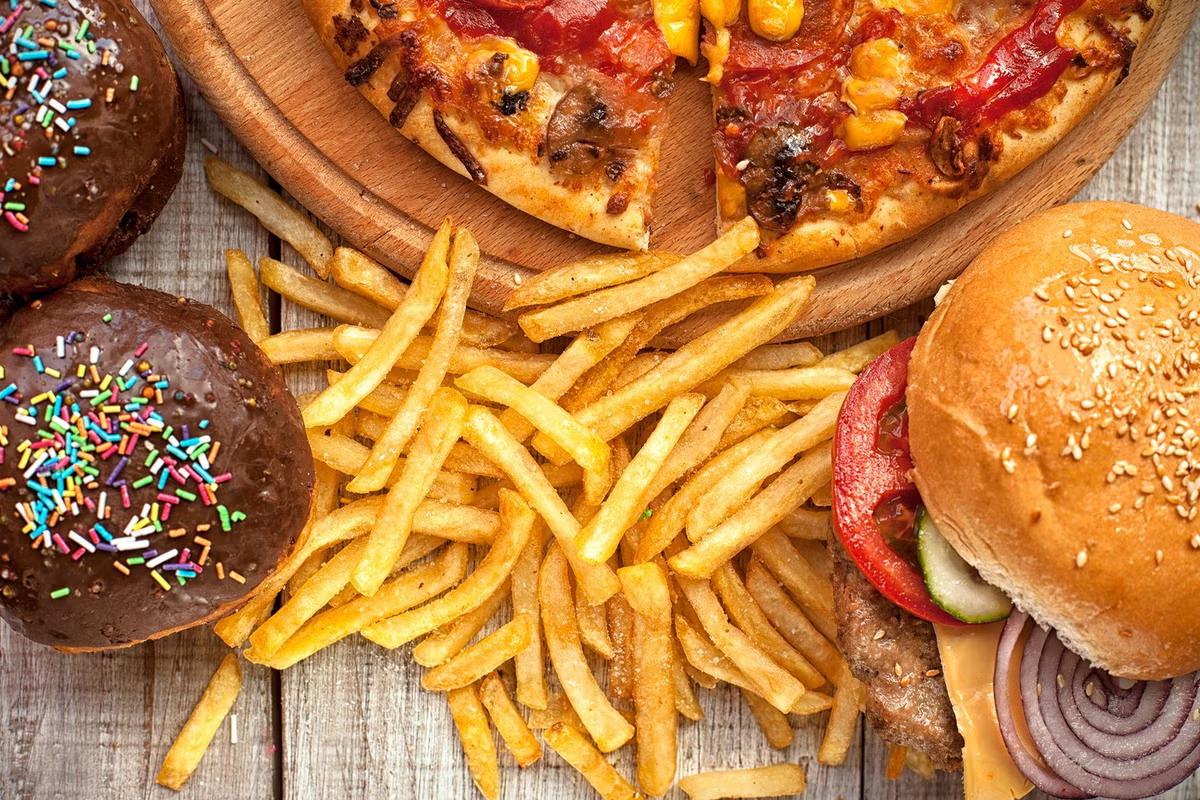
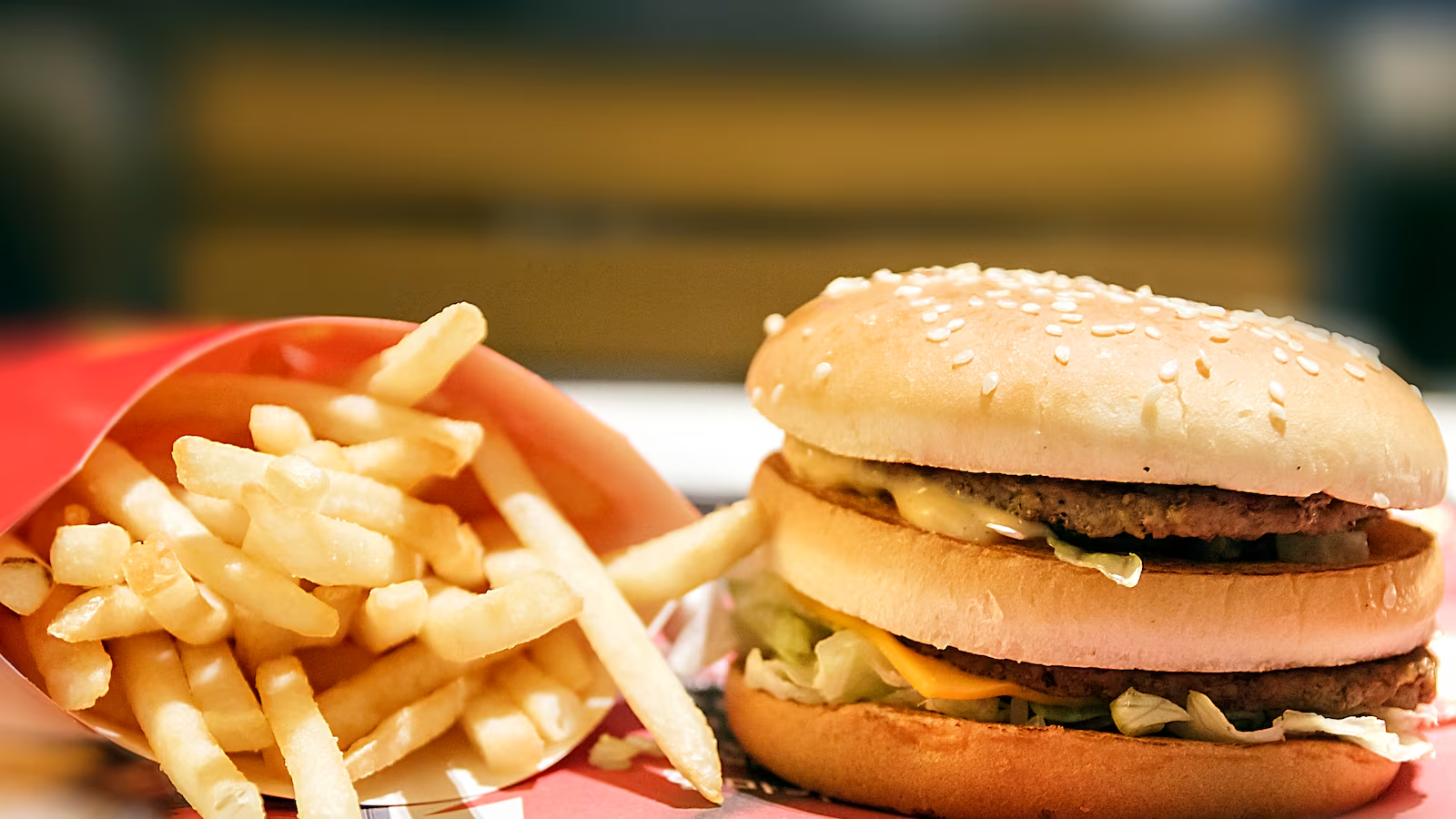
Fast food is a guilty pleasure for many of us—those golden fries, juicy burgers, and frosty milkshakes call our names when we’re short on time or craving comfort. But what happens to your body after you indulge in a fast food meal? This article dives deep into the physiological effects of fast food, from the moment it hits your taste buds to the long-term consequences of frequent consumption. As someone who’s navigated the highs and lows of fast food cravings (yes, I’ve had my share of late-night drive-thru runs), I’ll break down the science in a way that’s relatable, engaging, and backed by expertise.
The Immediate Impact of a Fast Food Meal
A fast food meal often feels like a quick fix, but its effects on your body kick in almost instantly. High in calories, unhealthy fats, sugar, and sodium, these meals trigger a cascade of responses in your digestive system, bloodstream, and brain. Let’s explore what happens in the first few minutes and hours.
The Sugar and Fat Rush
When you bite into a burger or sip a sugary soda, your body gets an immediate hit of simple carbohydrates and fats. These are broken down quickly, causing a rapid spike in blood sugar and a surge of feel-good dopamine in the brain. That’s why fast food feels so satisfying—your brain is literally rewarding you for it!
Sodium Overload
Most fast food meals are packed with sodium—sometimes exceeding your daily recommended intake in a single sitting. This can cause your body to retain water, leading to bloating and a temporary increase in blood pressure. Ever feel puffy after a fast food binge? That’s the sodium talking.
The Digestive System’s Struggle
Fast food is typically low in fiber and high in processed ingredients, which can slow digestion. Your stomach works overtime to break down greasy, calorie-dense foods, sometimes leading to discomfort, acid reflux, or sluggishness. I remember a road trip where a double cheeseburger left me feeling like I’d swallowed a brick—sound familiar?
Short-Term Effects: Hours After Eating
Within a few hours, your body is still processing that fast food meal, and the effects become more pronounced. From blood sugar swings to inflammation, here’s what’s happening under the hood.
Blood Sugar Spikes and Crashes
The refined carbs in fast food, like white buns and fries, cause a sharp rise in blood sugar, followed by an equally dramatic crash. This rollercoaster can leave you feeling tired, irritable, or craving more food soon after eating. It’s why you might want a milkshake just two hours after a burger.
Inflammation and Oxidative Stress
Fast food’s high content of trans fats and refined oils promotes inflammation in the body. Studies, like one from the Journal of Clinical Investigation, show that a single high-fat meal can trigger oxidative stress, which damages cells and contributes to chronic diseases over time.
Impact on Heart Health
The saturated and trans fats in fast food can temporarily increase levels of LDL (“bad”) cholesterol and triglycerides in your blood. This puts extra strain on your heart and blood vessels, especially if you’re eating fast food regularly. It’s like asking your heart to run a marathon without training.
Long-Term Effects of Frequent Fast Food Consumption
While the occasional fast food meal might not derail your health, frequent indulgence can lead to serious consequences. Let’s break down how regular fast food consumption affects your body over time.
Weight Gain and Obesity
Fast food is calorie-dense, often packing hundreds of calories into small portions. Regularly consuming more calories than you burn leads to weight gain, and over time, obesity. According to the CDC, over 36% of U.S. adults consume fast food daily, contributing to the obesity epidemic.
Increased Risk of Heart Disease
The combination of high sodium, unhealthy fats, and low nutrient density in fast food is a recipe for heart disease. Over time, these meals can lead to plaque buildup in arteries, high blood pressure, and an increased risk of heart attack or stroke.
Type 2 Diabetes Risk
Frequent fast food consumption is linked to insulin resistance, a precursor to type 2 diabetes. A 2018 study in Diabetes Care found that people who ate fast food more than twice a week had a higher risk of developing diabetes due to chronic blood sugar spikes and weight gain.
Gut Health Disruption
Your gut microbiome thrives on fiber and diverse nutrients, but fast food offers little of either. Regular consumption can disrupt the balance of good bacteria in your gut, leading to digestive issues, weakened immunity, and even mood changes. Who knew a burger could mess with your vibe?
Nutritional Breakdown: What’s Really in Your Fast Food Meal?
To understand why fast food has such a big impact, let’s look at the nutritional profile of a typical fast food meal. Below is a table comparing a common fast food combo (burger, fries, and soda) to a healthier homemade alternative.
| Meal Component | Fast Food Combo | Homemade Alternative |
|---|---|---|
| Calories | ~1,200 kcal | ~600 kcal |
| Total Fat | 50–70g (20g saturated) | 20–30g (5g saturated) |
| Sodium | 1,800–2,500mg | 500–800mg |
| Sugar | 50–80g | 10–20g |
| Fiber | 2–5g | 10–15g |
The fast food combo delivers a hefty dose of calories, sodium, and sugar with minimal fiber, while a homemade meal offers balanced nutrition with fewer health risks.
Pros and Cons of Fast Food
Fast food isn’t all bad—it’s convenient and tasty, but the downsides are hard to ignore. Here’s a quick look at the trade-offs:
Pros:
- Quick and convenient for busy schedules.
- Affordable compared to sit-down restaurants.
- Wide variety of flavors and options.
Cons:
- High in unhealthy fats, sodium, and sugar.
- Low in essential nutrients like fiber, vitamins, and minerals.
- Contributes to long-term health issues like obesity and heart disease.
Comparison: Fast Food vs. Home-Cooked Meals
When deciding between fast food and cooking at home, the differences are stark. Fast food is designed for speed and taste, often at the expense of nutrition. Home-cooked meals, while requiring more effort, give you control over ingredients and portion sizes. For example, a homemade burger with lean beef, whole-grain buns, and fresh veggies can satisfy your cravings without the health toll. I learned this the hard way after a month of fast food binges left me feeling sluggish—switching to home-cooked meals was a game-changer.
How to Mitigate the Effects of Fast Food
If you can’t resist the occasional fast food meal, there are ways to lessen its impact on your body. Here are some practical tips:
- Choose Smaller Portions: Opt for a kid’s meal or skip the upsized fries and soda.
- Balance with Veggies: Pair your meal with a side salad or fruit to add fiber and nutrients.
- Limit Frequency: Treat fast food as an occasional indulgence, not a daily habit.
- Hydrate Well: Drink water instead of soda to reduce sugar and sodium intake.
- Move Your Body: A brisk walk after eating can help stabilize blood sugar and aid digestion.
People Also Ask (PAA) Section
What Happens to Your Body When You Eat Fast Food Every Day?
Daily fast food consumption can lead to weight gain, high cholesterol, and increased risk of chronic diseases like diabetes and heart disease. The high sodium and fat content strain your heart, while low fiber disrupts digestion. Over time, your body may struggle with inflammation and nutrient deficiencies.
Is Fast Food Bad for Your Heart?
Yes, fast food is often high in trans fats, saturated fats, and sodium, which can raise cholesterol levels and blood pressure. Regular consumption increases the risk of heart disease by contributing to artery-clogging plaque. Occasional indulgence is less harmful, but moderation is key.
Can Fast Food Cause Digestive Issues?
Fast food’s low fiber and high fat content can slow digestion, leading to bloating, constipation, or acid reflux. It also disrupts gut bacteria balance, which can affect overall digestive health. Adding fiber-rich foods to your diet can help counteract these effects.
How Can I Make Healthier Fast Food Choices?
Opt for grilled instead of fried items, choose water over sugary drinks, and add a side of vegetables or fruit. Look for menu options labeled as “light” or “healthy,” and check nutritional info online before ordering. Small changes can make a big difference.
FAQ Section
1. How does fast food affect your brain?
Fast food triggers a dopamine release, making you feel good temporarily, but frequent consumption can dull this response, leading to overeating. It may also contribute to mood swings due to blood sugar fluctuations and poor gut health.
2. Can fast food cause weight gain in one meal?
A single fast food meal won’t cause significant weight gain unless it pushes you into a calorie surplus consistently. However, its high calorie density makes it easy to overeat, contributing to gradual weight gain over time.
3. Is it okay to eat fast food once a week?
Eating fast food once a week is unlikely to cause major health issues if your overall diet is balanced. Pair it with nutrient-rich meals and regular exercise to minimize its impact.
4. What are the healthiest fast food options?
Look for grilled proteins, whole-grain buns, and veggie-heavy options. Chains like Chipotle or Subway offer customizable meals with fresher ingredients. Always check nutrition info to make informed choices.
5. How can I recover from a fast food binge?
Hydrate with water, eat fiber-rich foods like fruits and vegetables, and engage in light exercise to support digestion and stabilize blood sugar. Focus on balanced meals for the next few days to reset your body.
Where to Find Healthier Fast Food Options
If you’re looking to satisfy your fast food cravings without the guilt, many chains now offer healthier alternatives. Chains like Chipotle, Panera Bread, and Sweetgreen prioritize fresh ingredients and customizable options. Check their websites for nutritional information or use apps like MyFitnessPal to track your choices. For example, Chipotle’s burrito bowls with grilled chicken and extra veggies are a solid choice compared to a fried chicken sandwich combo.
Best Tools for Healthier Eating
To make better food choices, consider using tools like:
- MyFitnessPal: Track calories and nutrients to stay mindful of your intake.
- Yuka: Scan food products to check their nutritional quality.
- Meal Prep Apps: Apps like Mealime help you plan healthier home-cooked meals.
Conclusion: Fast Food in Moderation
Fast food is a convenient treat, but its effects on your body—from immediate blood sugar spikes to long-term health risks—are undeniable. By understanding what’s in your meal and making smarter choices, you can enjoy the occasional burger without sacrificing your health. I’ve learned to savor fast food as a rare indulgence, balancing it with home-cooked meals and exercise. Next time you’re tempted by the drive-thru, ask yourself: is it worth it? Your body will thank you for choosing wisely.
For more information on healthy eating, check out resources like the CDC’s Nutrition Guidelines or explore MyPlate.gov for balanced meal ideas.