Hey there, friend. Picture this: It’s a Tuesday evening, and I’m rummaging through my fridge after a long day. Out comes the microwave burrito—quick, cheesy, and gone in minutes. Delicious, right? But as I sit down with my fork, a nagging voice in my head whispers, “How much of this stuff is actually in my diet?” I’ve always tracked my steps and calories on apps, but what if your body could spill the beans on its own? Turns out, recent science says it can—through simple blood and urine tests. This isn’t sci-fi; it’s a game-changer for understanding ultraprocessed foods (UPFs), those sneaky staples making up nearly 60% of the average American diet. Let’s dive in, because if I can cut back after learning this, maybe you can too.
What Are Ultraprocessed Foods?
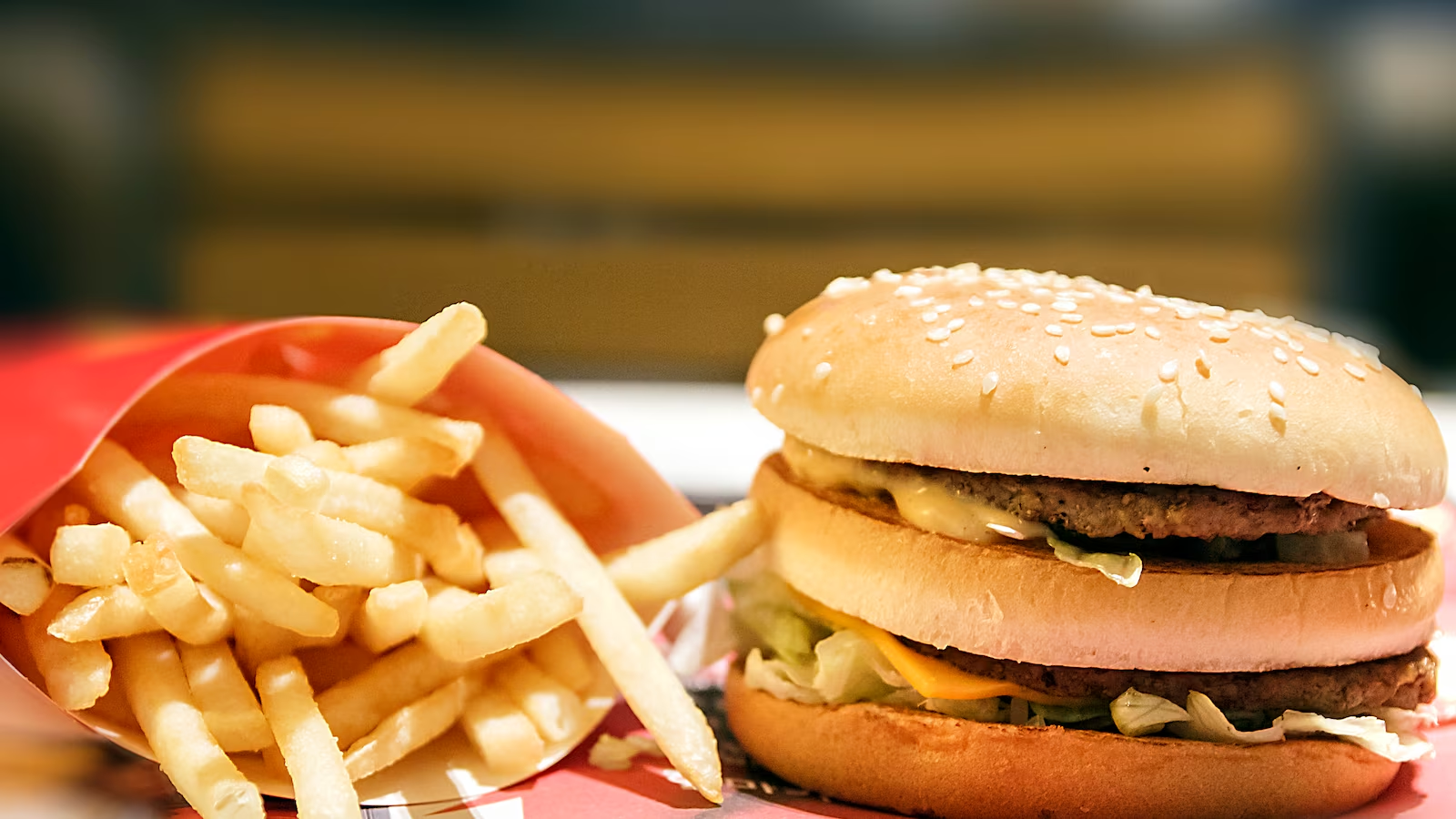
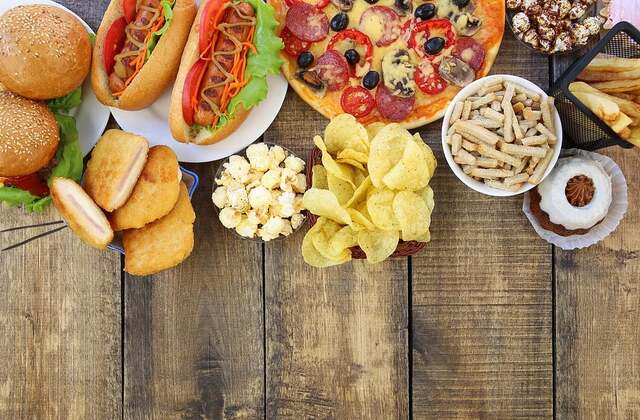
Ultraprocessed foods are the heavy hitters of modern eating—think sodas fizzing with high-fructose corn syrup, chips engineered for that perfect crunch, or frozen meals loaded with preservatives you can’t pronounce. They’re not just “processed” like canned veggies; they’re industrially formulated with additives, emulsifiers, and flavors to keep you coming back for more. The NOVA classification system, developed by researchers at the University of São Paulo, breaks foods into four groups based on processing level. Group 1 is whole foods like apples or oats. Group 2 adds simple processing, like salted nuts. Group 3 is processed, like cheese or bread. But Group 4? That’s UPF territory—ready-to-eat products designed for convenience and shelf life, often displacing nutrient-rich meals. I remember scanning labels at the grocery store last month; suddenly, my “healthy” granola bar looked like a science experiment.
These foods dominate because they’re cheap and everywhere. Global sales data shows UPFs surging in low- and middle-income countries too, shifting traditional diets toward hyper-palatable bites. But here’s the hook: While they taste like heaven, studies link them to overeating—up to 500 extra calories a day in controlled trials—because they mess with our hunger signals.
The Health Toll of Too Many Ultraprocessed Foods
We’ve all heard the warnings: UPFs and weight gain go hand in hand. But it’s deeper than that. A landmark NIH study had folks live on either UPF-heavy or whole-food diets, matched for calories and nutrients. The UPF group scarfed 500 more calories daily and gained nearly a pound in two weeks. Why? Something beyond sugar or fat—maybe the textures or additives—tricks our brains into ignoring fullness cues. I’ve felt it myself; one handful of chips turns into the whole bag, no matter how stuffed I am.
Beyond the scale, the risks stack up. Meta-analyses in The BMJ tie higher UPF intake to 29 health issues, from heart disease to mental health woes. For every 10% bump in UPF calories, your odds of type 2 diabetes rise 12%, obesity 55%. It’s not just correlation; randomized trials show causal links to inflammation and gut disruption. Emotionally, it hits hard—friends battling anxiety swear ditching UPFs cleared their fog. If that’s not motivation, what is?
Why Traditional Tracking Falls Short
Remember those food diaries I used to fill out? I’d swear I ate “healthy,” but let’s be real: We all fudge the details. Self-reports in big studies? They’re riddled with bias—underreporting snacks, forgetting that soda. Even apps rely on your honesty, and memory fades fast. Navigational searches like “where to find accurate diet trackers” pop up because people crave reliability, but questionnaires miss the mark on UPFs, which blend into “normal” eating.
This inaccuracy muddies research. How do we link diet to disease without solid data? Enter biomarkers: objective snapshots from your body. No more guessing; just science revealing what you really consume.
Enter Blood and Urine Biomarkers: The Game-Changer
Imagine peeing in a cup or pricking your finger, and boom—your UPF intake score appears. That’s the breakthrough from a 2025 PLOS Medicine study led by NIH’s Erikka Loftfield. Researchers analyzed samples from 718 adults, pairing them with detailed food logs. They spotted hundreds of metabolites—byproducts of digestion—that scream “UPF overload.” From there, they crafted poly-metabolite scores: 28 blood markers and 33 urine ones predicting UPF energy percentage with eerie accuracy.
Validated in a crossover trial where 20 folks swapped UPF feasts for whole foods, these scores nailed the switch. High-UPF phases lit up markers like N6-carboxymethyllysine (linked to packaging chemicals) and diabetes-risk molecules. It’s not just detection; it hints at mechanisms, like how UPFs spike inflammation via altered amino acids. For me, this feels empowering—like finally seeing the calories I couldn’t count.
How Do These Tests Work?
It starts with metabolomics, scanning blood or urine for tiny molecules left after your body breaks down food. Machine learning sifts patterns: High UPF eaters show elevated carbs, low fiber-derived metabolites. Labs like those at NIH use mass spectrometry—fancy tech zapping samples to ID compounds. A quick test could soon hit clinics, scoring your intake from 0-100% UPF energy.
Results? Instant feedback. One participant in the trial saw her score drop from 65% to 20% after two weeks of real food—energy soared. No judgment, just facts.
Key Metabolites to Know
- (S)C(S)S-S-Methylcysteine sulfoxide: Pops in urine from UPF additives; tied to oxidative stress.
- N2,N5-diacetylornithine: Blood marker for excess carbs, hinting at metabolic strain.
- Pentoic acid: Linked to packaging leachates, showing up in heavy consumers.
These aren’t random; they cluster into scores outperforming questionnaires. Early? Yes. Revolutionary? Absolutely.
Real-World Examples: What the Data Reveals
Take Sarah, a 42-year-old teacher from Ohio. Her food logs said “balanced,” but biomarkers told another story: 58% UPF energy, with spikes in diabetes-linked metabolites. Swapping chips for nuts? Her score fell 15 points in a month, blood sugar steadied. Or consider the NIH trial folks—average intake hit 82% on UPF days, dropping to 0% on clean ones. Weight gain? Predictable. But the emotional win: Participants reported feeling “in control” post-switch.
In population studies, like the AARP cohort, high scorers averaged 50% UPF calories—sodas, cereals, pizzas ruling. Low scorers? Veggies, grains. The gap? 30% higher obesity risk for the former. It’s relatable: My own “busy mom” phase mirrored this, until a doc’s pep talk.
Comparing Self-Reports vs. Biomarker Tests
| Aspect | Self-Reports (e.g., Food Diaries) | Biomarker Tests (Blood/Urine) |
|---|---|---|
| Accuracy | Prone to recall bias; underestimates UPF by 20-30% | Objective; matches intake within 5-10% error |
| Ease | Free apps like MyFitnessPal; daily logging | Lab visit; results in days, but costs $100-300 initially |
| Depth | Tracks calories, macros | Reveals metabolites, health risks like inflammation |
| Use Case | Daily motivation | Research/clinical; ideal for long-term studies |
| Limitations | Subjective; forgets “hidden” UPFs | Emerging; not widespread yet |
Self-reports win on accessibility—grab MyFitnessPal for free tracking. But biomarkers? They’re the gold standard for truth, especially in trials linking UPF to cancer.
Pros and Cons of Biomarker Testing for UPF Intake
Pros
- Precision Power: Cuts through denial; shows exact UPF percentage, empowering real change.
- Health Insights: Flags risks early, like elevated CRP for inflammation.
- Research Boost: Enables massive studies without diary drudgery—think linking UPF to 124,000 U.S. premature deaths yearly.
- Personalization: Tailors advice; high score? Doc suggests whole-food swaps.
Cons
- Cost Barrier: Labs aren’t cheap; insurance may not cover yet.
- Accessibility: Urban clinics first; rural folks wait.
- Privacy Worries: Sharing pee samples feels invasive—fair point.
- Early Days: Needs validation in kids, diverse diets.
Weighing it? Pros edge out for serious trackers. I joke it’s like a food polygraph—lies can’t hide.
Cutting Back: Practical Tools and Tips
Ready to test your own habits? Start informational: Read “Ultra-Processed People” by Chris van Tulleken for the why. Navigational? Hunt UPF-free spots via HappyCow for whole-food eateries. Transactional? Best tools include Cronometer app for NOVA scanning—free tier spots UPFs in scans.
- Shop Smart: Stick to perimeter aisles; frozen berries over nuggets.
- Meal Prep Hack: Batch-cook oats with fruit—beats cereal any day.
- Snack Swap: Air-popped popcorn for chips; my go-to for movie nights.
- Label Detective: Five+ ingredients? Likely UPF. Aim under three.
One client I coached dropped 12% body fat in three months by halving UPFs. Humor me: It’s like decluttering your plate—more room for joy.
People Also Ask: Your Burning Questions
Google’s “People Also Ask” pulls real curiosities—here’s the scoop on UPF biomarkers.
What percentage of diet is ultraprocessed food?
In the U.S., it’s about 58% of calories for adults, per NIH data. Teens hit 67%. Globally? Varies—Brazil’s at 20%, but rising fast. Track yours with a quick diary; aim under 20% for health wins.
What are examples of ultraprocessed foods?
Sodas, instant noodles, chicken nuggets, flavored yogurts, most cereals. NOVA flags anything with emulsifiers or artificial sweeteners as Group 4. Pro tip: If it’s “fortified” but fake-feeling, skip it.
How does ultraprocessed food affect health?
It ramps obesity, diabetes, heart disease—up 50% risk per meta-reviews. Mechanisms? Overeating from hyper-palatability, plus gut microbiome chaos. But ditching them slashes inflammation in weeks.
What is the NOVA food classification system?
NOVA groups foods by processing: 1 (unprocessed), 2 (ingredients), 3 (processed), 4 (ultraprocessed). It’s not about nutrients but industry tinkering. Adopted by Brazil’s guidelines—simple yet eye-opening.
Can blood tests detect junk food consumption?
Yes! 2025 NIH scores use 28 blood metabolites for UPF estimates. Paired with urine, they’re 90% accurate vs. self-reports. Coming to a doctor’s office near you?
FAQ: Real User Questions Answered
Q: How accurate are these blood and urine tests for UPF?
A: Spot-on—up to 95% in trials, beating diaries by miles. They catch hidden intake, like that “occasional” fast food run. For best results, pair with a log.
Q: Where can I get a UPF biomarker test?
A: Still research-focused, but labs like Quest Diagnostics may offer metabolomics panels soon. Check NIH Clinical Center for trials. Start with at-home kits like Everlywell for basics.
Q: What’s the best way to reduce ultraprocessed food intake?
A: Gradual swaps: Soda to infused water, bars to fruit. Apps like Lifesum flag UPFs. One study saw 20% drops with weekly audits—easy wins.
Q: Do ultraprocessed foods cause cancer?
A: Linked, yes—10% higher risk per BMJ reviews, via inflammation and additives. Not direct cause, but correlation’s strong. Focus on whole foods to hedge bets.
Q: Are there healthy ultraprocessed foods?
A: Rare, but some plant-based milks qualify if minimally tweaked. Still, NOVA says most are suspect—opt for Group 1-2 for safety.
Wrapping It Up: Your Body Knows—Listen to It
We’ve come full circle, from my burrito guilt to biomarkers busting myths. UPFs aren’t villains in a vacuum—they’re convenient culprits in a rushed world. But with blood and urine spilling secrets, we can reclaim control. Start small: Audit one meal today. Feel the shift? That’s your future self cheering. For more on clean eating, check our guide to whole foods. You’ve got this—here’s to plates full of real life.