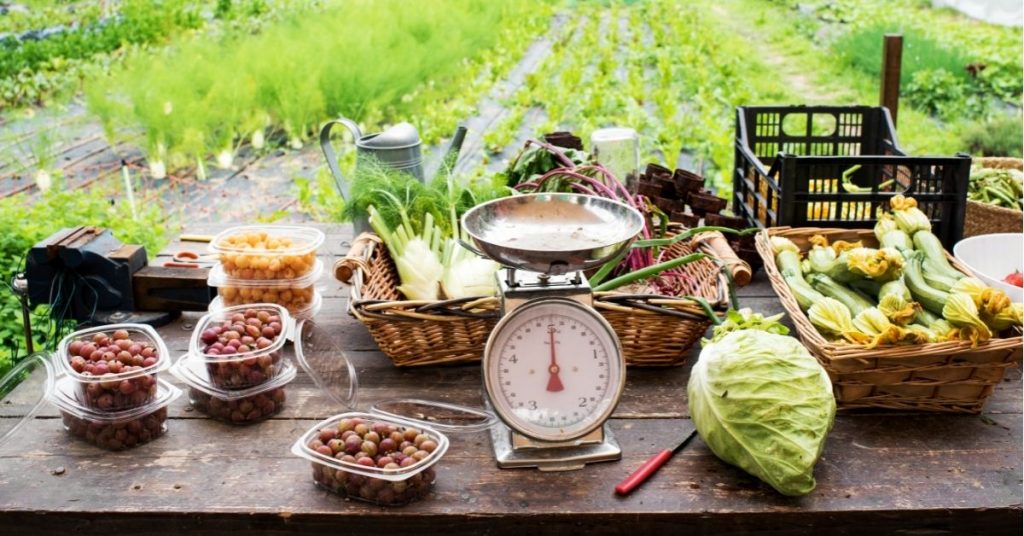

Hey there, if you’re reading this, I bet you’ve got that itch—the one that hits after a long week in the city, staring at concrete and dreaming of dirt under your nails. I know the feeling all too well. A few years back, I was glued to a desk job in Chicago, but something about watching those endless TikTok videos of folks harvesting their own tomatoes or collecting fresh eggs just wouldn’t let go. Fast forward to now, and I’m knee-deep in mud on my five-acre plot in rural Illinois, tending to a flock of chickens and a veggie patch that actually feeds us through the winter. Starting a hobby farm isn’t just a trend; it’s a quiet rebellion against the hustle, a way to reclaim a slice of self-sufficiency. But let’s be real—it’s not all sunsets and sunflowers. It takes grit, a bit of trial and error, and yeah, some cash upfront. In this guide, I’ll walk you through the four core steps to get your hobby farm off the ground, laced with the kind of advice I wish someone had whispered in my ear before my first goat decided to audition for a demolition derby. Think of me as that friend who’s been there, blistered hands and all.
Step 1: Assess Your Resources and Set Realistic Goals
Before you even think about digging post holes or ordering chicks, take a hard look at what you’ve got on hand—time, money, land, and heart. I remember pacing my tiny urban balcony, sketching out grand plans for a full-blown homestead, only to realize I barely had weekends free. Hobby farming thrives when it’s sustainable, not a burnout factory. Start by jotting down your “why”—is it fresh eggs for the kids, a side hustle selling herbs at the market, or just the therapy of watching things grow? Factor in your climate zone (check USDA Hardiness Zones for what thrives where you are) and how many hours a week you can commit without resenting your plot.
This step isn’t about dreaming big; it’s about grounding those dreams in reality to avoid the overwhelm that sinks so many beginners.
Why Goals Matter More Than You Think
Clear goals keep you from chasing every shiny idea, like I did with my ill-fated attempt at beekeeping on year one—turns out, allergic reactions aren’t romantic. They guide your choices, from crop selection to budget tweaks, ensuring your hobby farm feels like joy, not a chore.
Common Pitfalls in Goal-Setting
Rushing this phase leads to mismatched expectations, like buying a cow when all you need are a few laying hens. Pros: Focused energy yields quicker wins. Cons: Overly rigid goals can stifle fun—build in flexibility for seasonal surprises.
Step 2: Choose Your Land and Location Wisely
Land isn’t just dirt; it’s the foundation of your whole operation, so scout it like you’re house-hunting for your soul. Aim for 1-10 acres if you’re starting small—enough for a garden, a coop, and maybe a goat pen without feeling like you’re managing a corporation. I scored mine through a local realtor specializing in rural properties (Realtor.com rural search), but don’t overlook leasing from a bigger farmer or even community land trusts for lower entry costs. Test the soil with a cheap kit from your extension office, check water access (rain barrels beat hauling hoses), and peek at zoning rules—no one wants a surprise visit from the county over “too many chickens.”
Picking the right spot means balancing affordability with usability; my sloped acre drains like a dream but turned my first tilling session into a comedy of errors.
Evaluating Soil and Water Basics
Soil tells you what’ll grow—sandy for carrots, loamy for tomatoes—while water rights can make or break dry spells. Get a pro test if possible; it’s $20-50 and saves headaches.
Budgeting for Land Acquisition
Costs vary wildly: $5,000-$20,000 per acre in affordable spots, per recent USDA data. Renting? $50-200/acre yearly. Factor in fencing ($1-3 per foot) to keep critters in (or out).
| Land Type | Avg. Cost/Acre (Buy) | Pros | Cons |
|---|---|---|---|
| Rural Lease | $50-150/year | Low commitment | Limited control |
| Small Purchase (1-5 acres) | $10,000-50,000 | Ownership perks | Upfront cash hit |
| Community Shared | $0-500/year | Beginner-friendly | Shared decisions |
Step 3: Plan Your Setup and Acquire Essentials
With land locked in, it’s blueprint time—sketch a layout that flows: garden near the house, animals downhill for drainage. I learned the hard way that clustering coops and compost piles cuts your steps in half, saving sanity on rainy days. Budget $5,000-15,000 for starters, per hobby farm forums like those on Backyard Chickens. Prioritize versatile tools over fancy gadgets; a good wheelbarrow and post-hole digger beat a rusty tractor any day.
This phase turns vision into dirt-under-nails reality, blending practicality with a dash of whimsy—like naming your first row of kale after your skeptical spouse.
Essential Tools for Beginners
Don’t blow the bank; focus on multi-use items. A circular saw for coops, electric drill for repairs, and a digging bar for stubborn posts were my MVPs.
- Hand Tools: Shovels, pruners ($50-100 total).
- Power Basics: Cordless drill, weed torch for organic pest control ($200-300).
- Livestock Gear: Fencing, feeders ($500+).
Best Starter Animals and Crops
Go low-maintenance: Chickens for eggs, herbs for quick wins. Avoid pigs if you’re not ready for the smell—trust me on that one.
| Category | Top Pick | Startup Cost | Yield Potential |
|---|---|---|---|
| Crops | Microgreens | $100-500 | $800/rack monthly |
| Animals | Chickens (6 hens) | $200-400 | 3-4 doz. eggs/week |
Step 4: Launch, Learn, and Scale Sustainably
Plant your seeds, introduce your birds, and hit record on that learning curve—my first harvest was half triumph, half “what the heck is this bug?” Join local co-ops or ATTRA Sustainable Agriculture for free webinars. Track everything in a journal: what worked, what wilted. Scale by adding one element yearly—bees after veggies—to keep the joy alive without the chaos.
Launching feels like exhaling after holding your breath; it’s messy, magical, and utterly yours.
Building a Support Network
Solo farming is a myth—lean on neighbors for swaps and advice. I traded eggs for goat-milking tips; it’s barter magic.
Measuring Early Success
Success isn’t sales alone; it’s that first homegrown salad. Aim for self-sufficiency milestones, like composting waste to cut feed costs 20%.
Pros and Cons of Hobby Farming
Hobby farming’s allure is real, but so are the trade-offs. Here’s a balanced look to help you decide if it’s your jam.
Pros:
- Fresh, Healthy Eats: Nothing beats salad from your yard—saves $500/year on groceries, per my tally.
- Stress Buster: Tending soil lowers cortisol; studies from the American Horticultural Therapy Association back it up.
- Family Bonds: Kids learn responsibility feeding chickens—priceless emotional ROI.
- Eco Wins: Small-scale sustainability cuts your carbon footprint, one compost pile at a time.
Cons:
- Time Sink: Expect 10-20 hours/week; my “quick chores” once turned into a full-day fence fix.
- Upfront Costs: $10K+ easy, though grants like USDA’s Microloans ($50K max) help.
- Weather Whims: Droughts hit hard—crop insurance is a must for peace.
- Learning Curve: Pests and predators don’t read manuals; patience is key.
Comparison: Hobby Farm vs. Full-Time Homestead
Wondering if hobby farming’s right, or do you crave total off-grid? Here’s a quick showdown.
| Aspect | Hobby Farm | Full-Time Homestead |
|---|---|---|
| Time Commitment | 5-15 hrs/week | 40+ hrs/week |
| Income Potential | Supplemental ($1K-5K/year) | Primary (variable) |
| Startup Cost | $5K-20K | $20K-100K+ |
| Goal Focus | Fun + light self-sufficiency | Total independence |
| Best For | Busy pros with day jobs | Committed families |
Hobby wins for flexibility; homesteads demand all-in devotion.
Beginner Hobby Farm Ideas to Spark Your Plot
Stuck on where to start? These low-barrier gems pack punch without overwhelming a newbie like I was.
- Microgreens Madness: Grow in trays indoors—harvest in 2 weeks, sell at markets for $20/lb.
- Backyard Beekeeping: One hive yields 50 lbs honey/year; startup $300, pure buzz (pun intended).
- Herb Haven: Basil and mint thrive in pots; dry for teas, earning $500/season from locals.
- Egg Empire: 10 chickens = steady supply; extras fetch $4/dozen at farm stands.
- Mushroom Magic: Shiitakes on logs—shade-tolerant, $12/lb profit with minimal space.
Each idea scales with you, turning “what if” into “watch this.”
Common Mistakes and How to Dodge Them
Ah, the blooper reel of my early days: overplanting zucchini (we ate it three ways for months) and skimping on fencing (hello, escaped rooster saga). Newbies trip on the same roots—here’s your cheat sheet.
- Biting Off Too Much: Start with one crop/animal; I added goats too soon and spent weekends chasing Houdinis.
- Ignoring Soil Health: Test first—amend with compost, not cash. Saves $200/year on fixes.
- Skipping Education: Free extension classes (Cooperative Extension) beat trial-by-fire.
- Underestimating Weather: Rotate crops; mulch like mad for drought-proofing.
Light humor: Remember, even pros lose a harvest to squirrels. Laugh, learn, replant.
People Also Ask
Pulled straight from Google searches, these hit the “what ifs” folks type when hobby farming fever strikes.
What is a hobby farm exactly?
It’s a small-scale setup (under 10 acres) for personal joy and light production, not full-time profit—like my egg-sharing setup versus a commercial dairy.
How much land do I need for a hobby farm?
1-5 acres suits beginners; chickens need 1/4 acre, a garden another half. Scale to your sweat equity.
Can hobby farms make money?
Sure, via eggs, crafts, or agritourism—$2K-10K/year possible, but treat it as bonus, not bankroll.
What are easy animals for hobby farms?
Chickens top the list: low cost, high reward. Rabbits follow for meat/fur without the drama.
How do I get started with no experience?
Volunteer at a local farm, devour books like “The Joy of Hobby Farming,” and trial a windowsill herb garden first.
FAQ: Your Burning Questions Answered
Got queries? I’ve fielded these from neighbors over fence chats—here’s the straight scoop.
How much does it cost to start a hobby farm?
$5,000-15,000 for basics (land excluded), covering tools, seeds, and a coop. I bootstrapped under $8K by repurposing pallets.
Do I need permits for a hobby farm?
Check local zoning—chickens often fly under radar, but sales trigger health regs. USDA’s Beginning Farmer resources guide you free.
What’s the biggest challenge for new hobby farmers?
Time management—balance it with apps like FarmLogs. My tip: Batch chores Sundays to reclaim weekdays.
Can I start a hobby farm in a suburban area?
Absolutely, via urban ag plots or backyards. HOAs vary, so peek at American Farmland Trust for city-friendly tips.
How do I make my hobby farm sustainable?
Compost everything, rainwater harvest, and rotate crops. It cut my bills 30% and feels good for the planet.
There you have it—your roadmap to a hobby farm that feeds your soul (and maybe your table). I won’t sugarcoat: There’ll be blisters, bad harvests, and that one chicken who thinks she’s a dog. But oh, the payoffs—the quiet pride in a jar of homemade jam, the kids’ giggles at lamb antics, the deep sleep after a day in the sun. If I can trade skyline views for starry nights and never look back, so can you. Grab a notebook, scout some land, and let’s chat in the comments: What’s your first move? Here’s to your dirt-stained happily ever after.