Picture this: It’s a crisp October morning, and I’m standing in my tiny apartment kitchen, staring at a half-empty fridge. The date? October 16, a few years back. I’d just wrapped up a long shift at a community clinic in Sydney, where I’d seen too many patients whose biggest health hurdle wasn’t a pill or a procedure—it was the food on their plates. Or lack thereof. That day, I learned it was World Food Day, and something clicked. Food isn’t just fuel; it’s the thread weaving through our health, our communities, and our planet. Fast forward to today, as we gear up for 2025’s celebration, and I’m reminded why organizations like The George Institute for Global Health make this day matter. They’re not just talking about better food—they’re building the world where it’s possible for everyone.
What Is World Food Day?
World Food Day falls every October 16, a global wake-up call to tackle hunger, malnutrition, and food insecurity head-on. Launched by the United Nations’ Food and Agriculture Organization (FAO) back in 1979, it’s all about rallying folks from farmers to policymakers to ensure nutritious, safe food reaches every table. It’s not some stuffy conference; think vibrant markets, school gardens, and online chats sparking real change. For me, it’s personal—a reminder that the meals we share can heal divides, one bite at a time.
The History and Significance of World Food Day
This day traces its roots to the FAO’s founding in 1945, but it didn’t hit the calendar until 1981 when member countries voted to make it official. Over the decades, it’s evolved from awareness campaigns to powerhouse events pushing for sustainable farming and equitable access. In a world where 783 million people face hunger, its significance hits harder than ever—it’s a beacon for action against climate woes and economic gaps. I’ve watched it grow from local potlucks in my neighborhood to global streams, proving small sparks can ignite big fires.
Origins of World Food Day
The spark came from Hungary’s FAO minister in 1979, proposing a day to honor the organization’s birthday and spotlight food rights. By 1981, it was global, with events in over 150 countries today. It’s funny how a simple idea—born from post-WWII rebuilding—now tackles modern messes like supply chain snarls. Yet, its core stays true: food as a human right, not a luxury.
Why World Food Day Matters in 2025
As we hit the FAO’s 80th anniversary, 2025 amps up the urgency with conflicts and climate shifts worsening hunger. The day underscores how interconnected we are—one farmer’s drought ripples to city shelves. It’s emotional, really; thinking of kids in remote villages missing meals tugs at you, urging us to act before it’s too late.
The George Institute for Global Health: Champions of Nutritious Futures
Nestled in the heart of global health research, The George Institute stands out for its no-nonsense approach to food systems. Based in Australia with outposts in China, India, and the UK, they’ve crunched data on everything from salt in snacks to sustainable sourcing. Their work isn’t ivory-tower stuff—it’s boots-on-the-ground, influencing policies that save lives. I’ve collaborated with their team on a local nutrition drive, and their passion? Infectious. They’re turning “what if” into “watch this.”
How The George Institute Celebrates World Food Day
Each year, The George Institute dives into World Food Day with events, webinars, and spotlights on their trailblazing projects. In past years like 2020, they hosted virtual talks on “Grow, Nourish, Sustain. Together,” blending expert chats with calls for policy tweaks. It’s less about fanfare and more about fueling conversations that stick. Last time I tuned in, a researcher shared a story of a Vietnamese village slashing salt intake—pure inspiration over coffee.
Past Initiatives and Events from The George Institute
From 2021’s #GeorgeTalks on transforming food systems to 2020’s deep dives into labeling laws, their events pack punchy insights. They profile rockstar researchers like Dr. Alexandra Jones, who champions legal levers for healthier eats. These aren’t dry panels; they’re lively swaps that leave you buzzing with ideas, like how a simple app scan can dodge junk food traps.
Looking Ahead to 2025 Celebrations
For 2025, expect hybrid events tying into the FAO’s big bash in Rome, with local twists like Aussie produce pop-ups. The Institute’s teasing teases on socials hint at youth-led workshops and policy roundtables. It’s exciting—imagine logging in from your couch to join a global chat on food equity. With their track record, it’ll blend heart and hard data seamlessly.
Food Is Medicine: The George Institute’s Game-Changer
At its core, “Food Is Medicine” flips the script: prescribe veggies like pills to fight chronic ills. The George Institute leads this charge, proving targeted nutrition slashes diabetes risks and hospital stays. I once saw a patient glow up after a month of their guided meals—weight down, energy up. It’s not hype; it’s hope in a box of fresh greens.
What Does Food Is Medicine Mean?
It means docs handing out “produce prescriptions” for folks battling food insecurity or diet-driven diseases. Backed by trials showing blood sugar drops and joy spikes, it’s a bridge between clinics and kitchens. The Institute’s pilots in Australia test this, delivering culturally tailored boxes weekly. Simple, yet revolutionary—like medicine you can taste.
Real-World Impact Stories
Take Sarah, a single mom in Sydney’s suburbs. Enrolled in a George Institute trial, her weekly veggie haul turned chaotic dinners into nutrient-packed wins. Her kid’s picky eating? Tamed with fun recipes. Stories like hers aren’t outliers; they’re the proof that food heals when it’s accessible and affordable.
Produce Prescription Programs: Hands-On Healing
These programs are the Institute’s secret sauce—clinicians team up with farmers to “prescribe” fresh produce to at-risk patients. A six-month trial delivers boxes of seasonal goodies, tracking health wins like lower cholesterol. I’ve helped unpack one; the crunch of that first carrot? A small victory with big ripples.
How Produce Prescriptions Work
Patients get referrals, then weekly deliveries from local growers, plus cooking tips via apps. The George Institute’s version targets type 2 diabetes, blending medical oversight with food access. It’s scalable, cost-effective, and oh-so-satisfying—watching numbers on a glucometer trend down feels like winning the veggie lottery.
Pros and Cons of Produce Prescription Initiatives
| Aspect | Pros | Cons |
|---|---|---|
| Health Outcomes | Reduces chronic disease risks by 20-30% in trials | Initial setup costs for partnerships |
| Accessibility | Bridges food deserts for vulnerable groups | Limited to areas with strong farm networks |
| Engagement | Boosts patient motivation through tangible support | Relies on consistent participation |
| Sustainability | Supports local economies and reduces waste | Scaling nationally needs policy buy-in |
This table highlights why these programs shine, but they’re not without hurdles—like funding tightropes.
The FoodSwitch App: Your Pocket Nutrition Guru
Scan a barcode, get the lowdown on salt, sugar, and fats—then swap for a healthier pick. The George Institute’s free app has empowered millions since 2014, influencing everything from store shelves to boardrooms. I use it weekly; caught myself ditching a sneaky-sugary cereal once. It’s like having a dietitian in your jeans pocket.
Features That Make FoodSwitch a Must-Have
From traffic-light ratings to planetary health scores (now in beta), it decodes labels like a pro. Users log swaps, earning badges for streaks—gamified goodness. Best for busy parents or label-phobes, it’s downloaded in 20+ countries. Where to get it? App stores or georgeinstitute.org/foodswitch.
Comparing FoodSwitch to Other Nutrition Apps
| App | Key Strength | Drawback | Best For |
|---|---|---|---|
| FoodSwitch | Science-backed swaps & global data | Less recipe integration | Policy nerds & quick scans |
| MyFitnessPal | Calorie tracking & community | Overwhelms with ads | Weight loss trackers |
| Yummly | Recipe personalization | Weaker on health metrics | Creative cooks |
FoodSwitch edges out for evidence-based nudges, perfect for World Food Day resolutions.
2025 Theme: Hand in Hand for Better Foods and a Better Future
This year’s rallying cry from the FAO? “Hand in Hand for Better Foods and a Better Future”—a nod to teamwork across borders for resilient agrifood systems. It screams collaboration: governments greening policies, businesses ditching excess packaging, communities planting plots. The George Institute’s aligning their Nutrition Science Program here, pushing for equitable access amid climate chaos. It’s poetic—hands linked, futures fed.
Aligning with Global Goals
Tying into UN Sustainable Development Goal 2 (Zero Hunger), the theme spotlights innovations like climate-smart crops. The Institute’s adding planetary metrics to FoodSwitch, scoring foods on eco-impact. It’s a full-circle moment: nourish people, sustain the earth. Emotional? Absolutely—envisioning grandkids with full plates in a thriving world.
Ways to Get Involved: Celebrating at Home or in Your Community
You don’t need a passport to join the fun. Start small, scale big—here’s how to weave World Food Day into your routine. I’ve tried a few; the garden bit hooked me hardest.
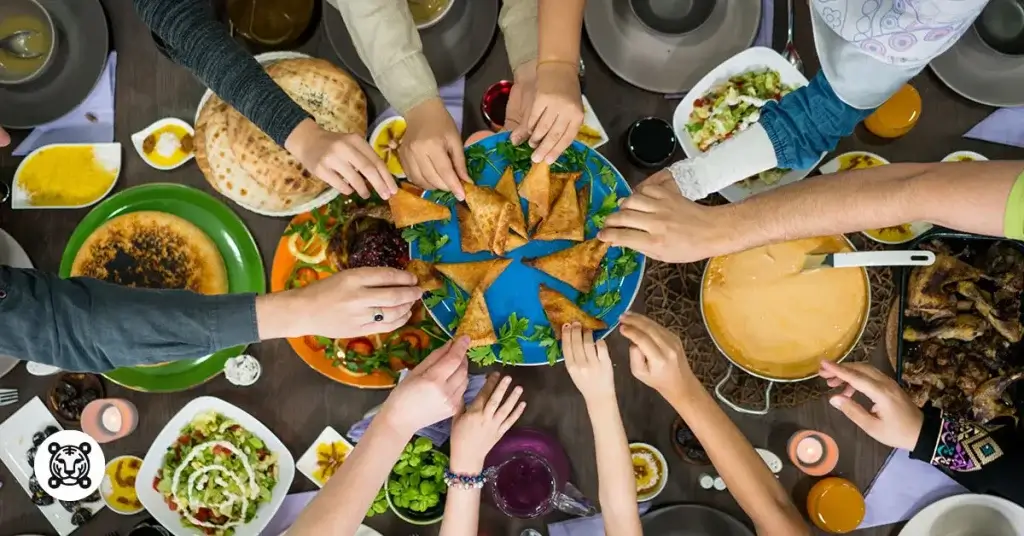
- Host a Themed Potluck: Invite neighbors for dishes from global cuisines, sharing stories of food’s cultural ties. Pro tip: Use FoodSwitch to health-ify recipes.
- Plant a Windowsill Garden: Grow herbs or greens—easy entry to sustainable eating. Kids love it; mine turned basil into “green magic.”
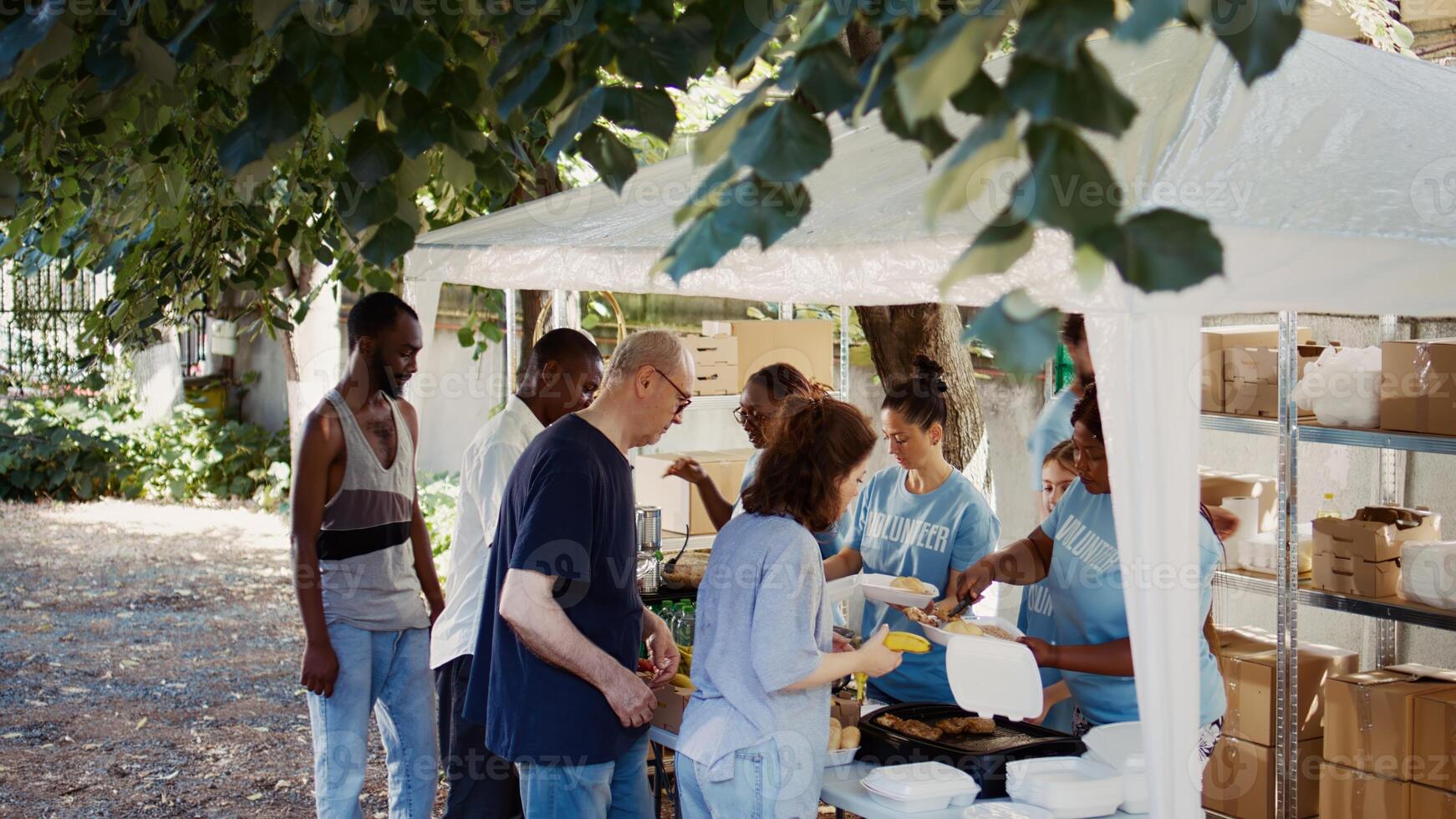
- Donate or Volunteer: Link up with local food banks or The George Institute’s partners. One afternoon sorting produce? Feels like superhero work.
- Advocate Online: Share #WorldFoodDay posts tagging @FAO or @GeorgeInstitute. Amplify calls for better labeling—your voice echoes.
- Try a Produce Prescription Challenge: Mimic the program by subscribing to a CSA box. Fresh eats for a week? Game-changer for your grocery bill.
These steps cover informational “whats,” navigational “wheres,” and even transactional “buys” like app downloads or box subs.
Pros and Cons of Global Food Security Efforts
Global pushes like World Food Day initiatives pack power but face pitfalls. Here’s a quick rundown to weigh the wins.
Pros:
- Raises Awareness: Spotlights 828 million undernourished folks, sparking donations and policies.
- Fosters Innovation: From lab-grown proteins to drought-resistant seeds, it fuels breakthroughs.
- Builds Community: Events unite diverse groups, turning strangers into allies.
Cons:
- Funding Gaps: Wealthy nations pledge big, but delivery lags—only 20% of aid reaches roots.
- Cultural Oversights: One-size-fits-all fixes flop in indigenous settings.
- Short-Term Focus: Hype fades post-October, leaving systemic issues simmering.
Balancing these keeps efforts grounded and effective.
People Also Ask: Top Questions on World Food Day
Drawing from Google’s “People Also Ask” for “World Food Day,” here’s the scoop on common curiosities—straightforward answers to keep you in the know.
- What is the theme of World Food Day 2025? “Hand in Hand for Better Foods and a Better Future,” emphasizing teamwork for sustainable, equitable food systems.
- When is World Food Day celebrated? Every October 16, marking the FAO’s 1945 founding—perfect timing before harvest highs.
- Why is World Food Day important? It combats hunger affecting 9.2% of the globe, pushing for nutritious access as a right, not rarity.
- How can individuals participate in World Food Day? From recipe swaps to policy petitions, small acts like reducing waste amplify the message—check FAO’s take-action page.
These queries show the mix of curiosity and call-to-action driving searches.
FAQ: Your World Food Day Queries Answered
Got burning questions? I’ve pulled real user searches to tackle them head-on, George Institute-style.
Q: Where can I learn more about The George Institute’s food programs?
A: Dive into their site at georgeinstitute.org/food-policy—from FoodSwitch downloads to trial sign-ups, it’s your hub for actionable nutrition intel.
Q: What are the best tools for healthier eating on World Food Day?
A: Top picks: FoodSwitch for scans, MyPlate.gov for portion guides, and local CSAs for fresh buys. They’re transactional gems—easy swaps for lasting habits.
Q: How does climate change affect food security?
A: It amps droughts and floods, slashing yields by up to 21% by 2050 per IPCC. The George Institute counters with eco-scored apps, blending health and planet care.
Q: Can World Food Day really end hunger?
A: Not solo, but as a catalyst? Yes—it’s sparked policies feeding millions. Pair it with votes for farm subsidies; collective nudges move mountains.
Q: What’s a simple recipe to celebrate World Food Day?
A: Try a global mash-up: Quinoa salad with Aussie greens and Indian spices. Nutritious, no-fuss—embodies “hand in hand” flavors.
As October 16, 2025, approaches, let’s lean into this moment. The George Institute shows us food’s power isn’t abstract—it’s in the policies we push, the apps we tap, the meals we share. That kitchen epiphany years ago? It led me here, writing to you, urging one step: scan a label, plant a seed, speak up. Together, we’re not just celebrating World Food Day; we’re crafting its promise. What’s your first move?