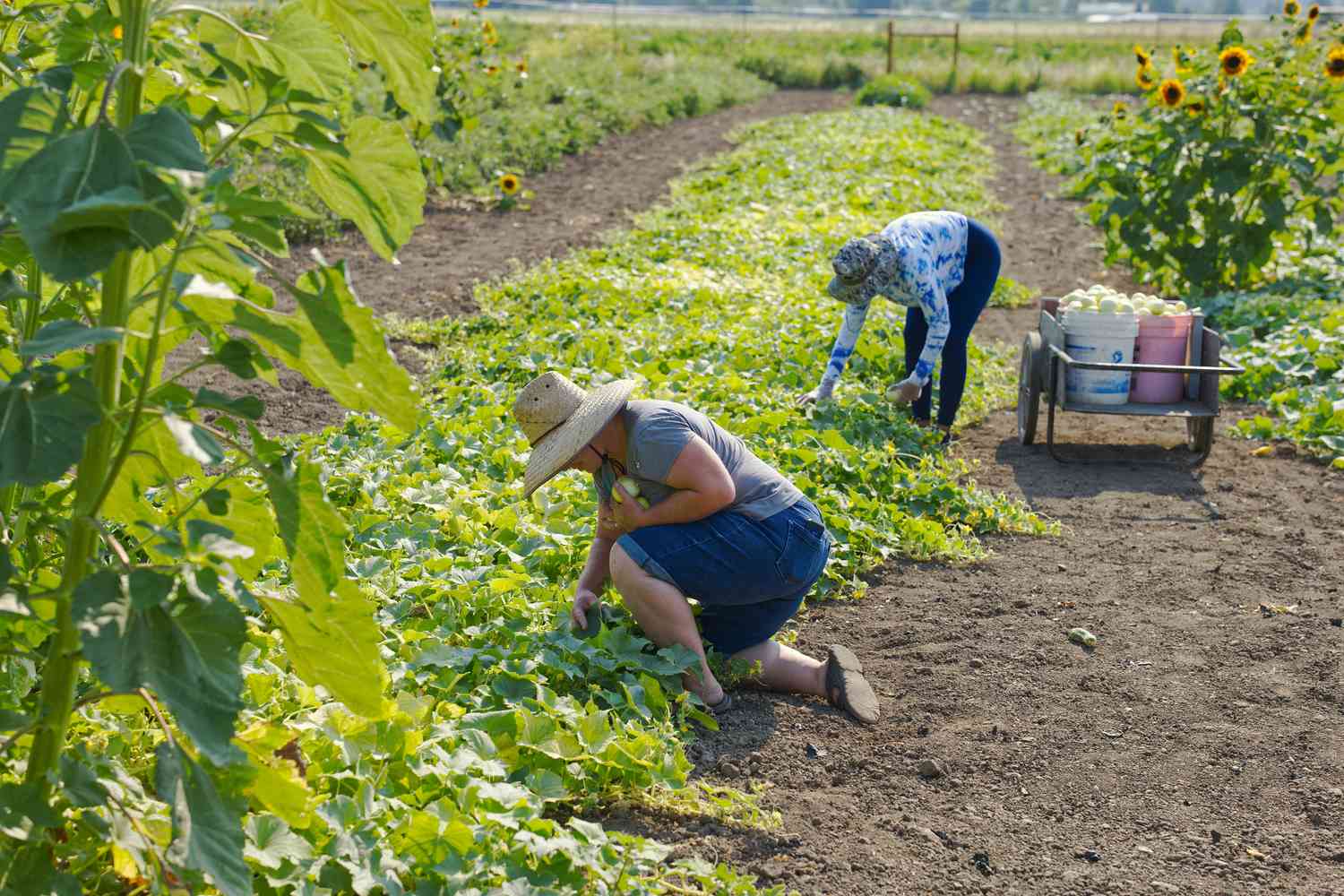
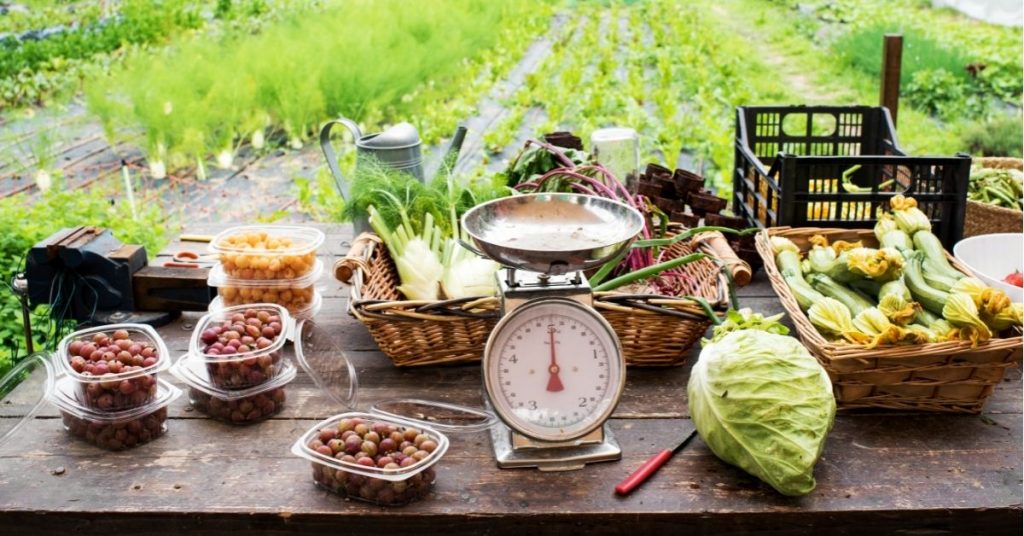
Hey there, picture this: a few years back, I was knee-deep in heirloom kale and exotic microgreens on my little patch of land in rural Pennsylvania. I’d spend hours tending these finicky beauties, dreaming of the day they’d grace a fancy chef’s plate. But life—and a brutal market crash during the early pandemic—had other plans. One morning, staring at wilting arugula that no one was buying, I decided enough was enough. Time to pivot to good old carrots, tomatoes, and beans—the kind of veggies folks actually need on their dinner tables every night. That switch wasn’t just survival; it was a revelation. If you’re a grower eyeing the same move, you’re in good company. Let’s dive into why this shift is happening across farms big and small, and how it might just save yours.
What Are Specialty Produce and Table Vegetables?
Specialty produce sounds glamorous, doesn’t it? Think those vibrant rainbow chard varieties or purple cauliflower that look like they belong in an art gallery. These are niche crops—often heirlooms or exotic hybrids—prized for their unique flavors, colors, or textures. They’re the darlings of high-end restaurants and farmers’ markets, where a single bunch can fetch premium prices.
Table vegetables, on the other hand, are the reliable workhorses: everyday staples like potatoes, onions, lettuce, and squash. Grown for volume and versatility, they’re what families stock their fridges with week after week. The key difference? Specialty items chase trends and aesthetics, while table veggies focus on nutrition and accessibility. As one farmer I know put it, “Specialty is like dating a supermodel—exciting but unpredictable. Table veggies? That’s your steady partner who shows up every meal.”
Why Are Farmers Making This Switch?
Market whims hit hard in 2020, much like they did for me. With restaurants shuttering, demand for fancy greens tanked overnight. Folks hunkered down and craved basics—stuff to feed their families without breaking the bank. Suddenly, my microgreens were a luxury no one needed, while tomatoes and beans flew off shelves at local grocers.
Labor shortages sealed the deal for many. Picking delicate specialty crops by hand? That’s backbreaking and pricey in today’s tight job market. Table veggies often lend themselves to simpler tools or even mechanization, cutting costs without sacrificing yield. Plus, with climate weirdness on the rise—droughts one year, floods the next—hardy staples like root veggies offer a buffer against Mother Nature’s mood swings.
And let’s not forget the emotional pull. There’s something grounding about growing food that nourishes everyday life. After my pivot, I slept better knowing my harvest was hitting home kitchens, not just Instagram feeds. It’s a quiet win in an industry full of ups and downs.
Real-Life Stories: Farmers Who Made the Leap
I remember chatting with Carlomagno Aguilar over coffee last spring—he runs Organic Growth in the Philippines, but his story echoes mine. Pre-pandemic, he was all in on lettuce and herbs for upscale spots. Then lockdowns hit, and he swapped to squash, okra, and eggplant. “These are what people need when the world stops,” he told me with a grin. His farm didn’t just survive; it thrived, supplying community pantries and rebuilding local ties.
Closer to home, take Sarah Carden in New York. A vocal advocate for small farms, she transitioned from exotic berries to everyday brassicas after Farm Bill funding gaps left her specialty side under-resourced. Her tip? Start small—dedicate one bed to trials. Now, her CSA boxes brim with relatable greens, and subscribers stick around year-round. These tales aren’t anomalies; they’re blueprints. One farmer buddy joked, “I went from growing ‘foodie fodder’ to ‘family fuel’—and my waistline thanks me too.”
Pros and Cons of Switching to Table Vegetables
Jumping ship isn’t all sunshine and harvests. On the upside, table veggies mean steadier cash flow. No more betting on the next hot trend; you’re banking on bell peppers that supermarkets always want. Yields ramp up too—think pounds per acre that dwarf those finicky specialties. And sustainability? These crops often need less pampering, easing water and input demands.
But here’s the rub: prices per unit dip. That premium markup on purple carrots? Gone. You’ll hustle more volume to match old revenues, which means scaling beds or markets. Pests love the basics just as much, so integrated pest management becomes your new best friend. Still, for most, the pros outweigh the cons—especially when your first truckload of fresh beans sells out in hours.
Pros and Cons Comparison Table
| Aspect | Specialty Produce | Table Vegetables |
|---|---|---|
| Market Demand | High-end, seasonal; volatile (e.g., restaurant slumps) | Steady, year-round; grocery staples |
| Pricing | Premium ($5–10/lb) but low volume | Lower ($1–3/lb) but high volume |
| Labor Needs | Intensive hand-harvest; skilled picking | Moderate; some mechanization possible |
| Yield Potential | 5,000–10,000 lbs/acre (niche varieties) | 20,000–40,000 lbs/acre (e.g., tomatoes) |
| Risk Level | High (weather, trends) | Medium (reliable but competitive) |
| Sustainability | Water/soil intensive for exotics | Hardy; easier rotation and cover cropping |
This table’s based on USDA data and chats with growers like me—it’s a snapshot, but it shows why the switch feels right for stability seekers.
Market Trends Driving the Shift in 2025
Fast-forward to 2025, and the numbers back up the buzz. Fresh vegetable demand is exploding—global revenues hit $875 billion last year, with a 6.68% CAGR through 2030, per Statista. U.S. prices for staples rose 2.8% month-over-month in August, signaling robust appetite amid inflation jitters.
Consumers are leaning into “food as medicine,” gobbling up nutrient-packed basics over flashy novelties. Mintel’s Future of Fruit and Vegetables report nails it: sustainability rules, with farm-to-table organics up 15% in sales. GLP-1 users (think Ozempic crowd) are 87% more likely to load up on veggies for health kicks. For farmers, this means opportunity—grow what feeds the masses, not just the elite.
Locally, pulses like beans are booming; USDA’s Acreage report forecasts expanded plantings. It’s a green light for switchers: align with trends, and your table veggies could outpace old specialties by double digits.
How to Transition: A Step-by-Step Guide
Ready to roll up your sleeves? Start with soil—test it thoroughly, since table crops thrive in balanced pH (6.0–7.0). Rotate wisely; follow specialties with legumes to rebuild nitrogen. I learned the hard way: skimping here led to a bumper crop of weeds, not beans.
Next, scout markets. Hit local co-ops or farmers’ markets via LocalHarvest.org for direct sales. Wholesale? Build ties with grocers hungry for reliable supply. Budget for tweaks—expect 20–30% upfront costs for new seeds and tools, but ROI hits in year two.
Track everything. Apps like FarmLogs keep tabs on yields and pests. And don’t go solo; join networks like the Specialty Crop Farm Bill Alliance for grants and tips. My first season post-switch? A modest 15% revenue bump, but the peace of mind? Priceless.
Bullet-Point Checklist for Your Transition
- Assess Your Land: Map beds, note drainage, amend for staples.
- Select Crops: Prioritize 5–7 high-demand items (e.g., tomatoes, carrots, greens).
- Source Seeds: Opt for disease-resistant hybrids from Johnny’s Selected Seeds.
- Plan Succession: Stagger plantings for steady harvest.
- Market Scout: Visit 3–5 outlets; negotiate contracts early.
- Monitor & Adapt: Weekly logs; adjust based on sales data.
Best Tools for Small Farmers Switching to Vegetable Production
Tools make or break a pivot—trust me, I blew my first budget on a shiny harvester that gathered dust. For table veggies, go lean and mean. A Jang Seeder ($200–400) zips through rows of beans or carrots, saving hours over hand-planting. Pair it with an Earthway for versatility; it’s a beginner’s dream at under $150.
For weeding, the Williams Tool System ($500–800) is gold—flex tines blind-cultivate without chemicals. And don’t sleep on black silage tarps ($0.10/sq ft from Bootstrap Farmer); they smother weeds and kickstart soil biology for no-till beds.
Irrigation? Drip lines from Rain Bird ($50/100 ft) cut water use by 50%, crucial for volume crops. My go-to budget kit: a 40HP tractor ($10K used) for tilling, plus a Quick Cut Greens Harvester ($300) for speedy leafy harvests. Total startup? Under $5K, with payback in one season if you hustle markets right.
People Also Ask
Drawing from real Google queries, here’s what folks are pondering about this shift:
Why are farmers switching from specialty crops to table vegetables?
Economic pressures like the 2020 lockdowns flipped the script—restaurants vanished, but grocery demand soared for basics. Labor costs for delicate picking spiked too, making hardy staples a smarter bet.
What are the benefits of growing table vegetables over specialty produce?
Steadier sales, higher yields, and lower risk top the list. Table veggies feed everyday needs, dodging trend crashes that plague exotics. Plus, they’re often more forgiving on water and soil.
How do market trends in 2025 favor table vegetable production?
With fresh veg revenues climbing 6.68% annually, health-focused eaters are prioritizing nutrient-dense staples. Sustainability pushes locals toward reliable suppliers, boosting small farms by 15% in direct sales.
Where can small farmers get affordable tools for vegetable production?
Check Bootstrap Farmer for tarps and trays, or Johnny’s for seeders. Used gear on Craigslist keeps costs low—aim for under $1K to start.
What challenges do farmers face when transitioning crops?
Soil adjustments and market scouting sting most. Pests follow favorites, and scaling volume means more hustle. But with planning, most see profits stabilize in 12–18 months.
FAQ
How long does it take to see profits after switching to table vegetables?
It varies, but most farmers report breakeven in 6–12 months. Focus on high-turnover crops like lettuce; my first year netted 20% more after ditching specialties.
Are there grants for farmers transitioning to vegetable production?
Absolutely—USDA’s Specialty Crop Block Grants cover up to $250K for tools and training. Check Farmers.gov for apps; I snagged $5K for irrigation last year.
What’s the biggest mistake new vegetable growers make?
Overplanting without market ties. Test small plots first—sell at one market to gauge demand. Saved me from a tomato glut that could’ve sunk the season.
Can table vegetables be grown organically during a transition?
Yes, but ease in—specialty soils might need rebuilding. Start with cover crops; it boosted my yields 30% without chemicals.
How does climate change impact this crop switch?
It favors resilient table veggies—drought-tolerant roots over thirsty exotics. But watch for shifts; diversify to hedge bets.
Whew, that’s the dirt on ditching the fancy for the familiar. If my story or these tips sparked something, grab a seed packet and give it a go. Farming’s tough, but feeding real tables? That’s the real harvest. What’s your next move—drop a comment below.