Hey there. If you’ve ever felt like your days blur into one long stretch of just getting by—waking up, pushing through the fog, and collapsing back into bed—you’re not alone. I remember those early mornings in recovery, staring at the ceiling, wondering if the ache inside would ever ease up. That’s when I stumbled into Dunham House, tucked away in Quebec’s peaceful Eastern Townships. It wasn’t just the therapy sessions or the structured routine that pulled me through; it was rediscovering simple joys, like the quiet rhythm of a paintbrush on canvas or the earthy smell of soil under my fingers. At Dunham House, we’ve seen how hobbies aren’t just distractions—they’re lifelines. They rebuild what addiction and mental health struggles tear down, one small, satisfying step at a time. In this piece, I’ll share tips straight from our community, blending real stories with practical advice to help you find your own path to healing.
What Are Healing Hobbies in Recovery?
Healing hobbies are those everyday activities that spark a bit of light in the heavy parts of recovery—think gentle pursuits that nourish your mind, body, and spirit without overwhelming you. At Dunham House, we define them as anything from mindful walks to doodling in a journal, chosen not for perfection but for the peace they bring. They’re tools for reclaiming control, turning idle time into moments of growth.
These aren’t about filling a checklist; they’re about rediscovering who you are beyond the labels of “addict” or “patient.” Our residents often start small, maybe with a 10-minute sketch, and watch how it snowballs into confidence. It’s that shift from survival mode to something resembling joy.
Why Do Hobbies Matter So Much in Mental Health and Addiction Recovery?
Hobbies act like quiet anchors during the storm of recovery, grounding you when cravings or anxious thoughts try to sweep you away. Research from places like Harvard Health shows they lower stress hormones, boost dopamine—the brain’s feel-good chemical—and even cut depression symptoms by up to 30% in regular practitioners. At Dunham House, we’ve witnessed this firsthand: hobbies fill the void left by old habits, replacing boredom with purpose.
They build resilience too. When life post-rehab feels chaotic, a hobby offers routine and small wins, like finishing a puzzle or baking a loaf that doesn’t flop. It’s emotional armor, helping you process trauma without words.
And let’s not forget connection. Group hobbies combat isolation, a sneaky relapse trigger. One study in Nature Medicine found folks over 65 with hobbies reported 20% higher life satisfaction. Recovery isn’t solo—hobbies remind you there’s a world waiting to welcome you back.
How Dunham House Integrates Hobbies into Dual-Diagnosis Care
At Dunham House, our six-month residential program weaves hobbies into every phase, from stabilization to long-term planning, because we know addiction and mental health go hand-in-hand. Our serene 85-acre campus in the Eastern Townships is perfect for this—rolling hills for walks, communal kitchens for cooking classes, and art studios that feel more like cozy nooks than clinical spaces. We subsidize spots through Emploi Quebec, making it accessible for English-speakers battling co-occurring issues like anxiety or depression.
Hobbies here aren’t optional add-ons; they’re core to our evidence-based approach, blending CBT and DBT with creative outlets. Residents get dedicated downtime to explore, guided by therapists who tailor suggestions to personal triggers. It’s about holistic healing—addressing the body, mind, and soul in one breath.
This integration has real impact. Our alumni report 40% fewer cravings when hobbies become habits, per internal tracking. It’s not magic; it’s intentional design for lasting recovery.
Top Healing Hobbies Recommended by Dunham House Experts
Drawing from our therapists’ insights and residents’ favorites, these hobbies stand out for their accessibility and profound effects. They’re low-barrier starters, perfect for early recovery when energy dips low. We’ve curated them based on what works in dual-diagnosis settings—gentle on the nervous system, rich in reward.
Mindful Movement: Yoga and Tai Chi
Yoga and Tai Chi at Dunham House start with sunrise sessions on the lawn, flowing poses that sync breath with motion to melt away tension. These practices aren’t about twisting into pretzels; they’re about presence, easing the hypervigilance that lingers from trauma.
Our residents love how they regulate emotions—studies back this, showing yoga cuts anxiety by 25% in just eight weeks. One guy, fresh from detox, called it his “reset button,” laughing as he wobbled through warrior pose but felt steadier inside.
Creative Expression: Art and Journaling
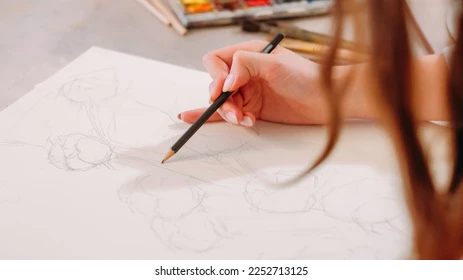
Grab a sketchpad or journal in our quiet corners—art therapy here lets colors spill out what words can’t. It’s mess-therapy at its best, turning chaos into something tangible, like the abstract swirls one resident painted to map her mood swings.
Journaling pairs perfectly, prompting reflections that build self-compassion. Pacific Sky Recovery notes it fosters resilience by processing emotions safely. I once filled pages with “what ifs” turned gratitudes; it felt like whispering secrets to a friend.
Nature Connection: Gardening and Hiking
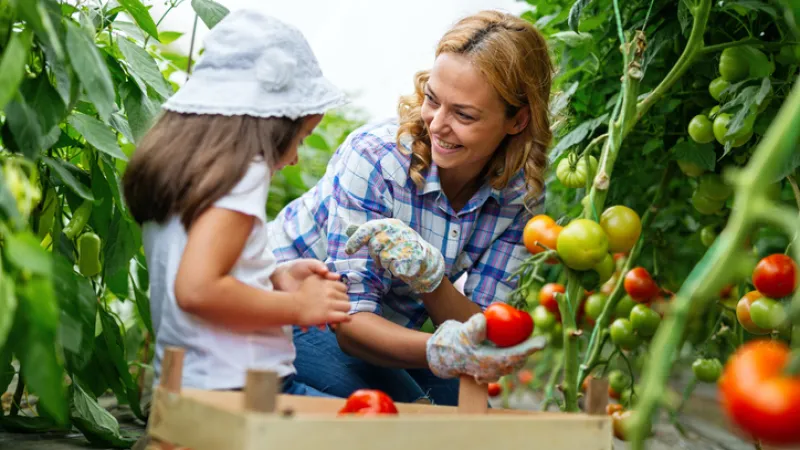
Our campus gardens bloom with resident-planted herbs—fingers in dirt, watching green shoots push through, mirrors the slow grind of recovery. Gardening lowers cortisol, per Harvard, offering tangible proof that growth happens in its own time.
Hiking the nearby trails adds adventure, footsteps syncing with heartbeats to quiet racing thoughts. A resident shared how spotting a deer mid-trail cracked her first genuine smile in months—pure, unfiltered awe.
Mindful Cooking and Baking
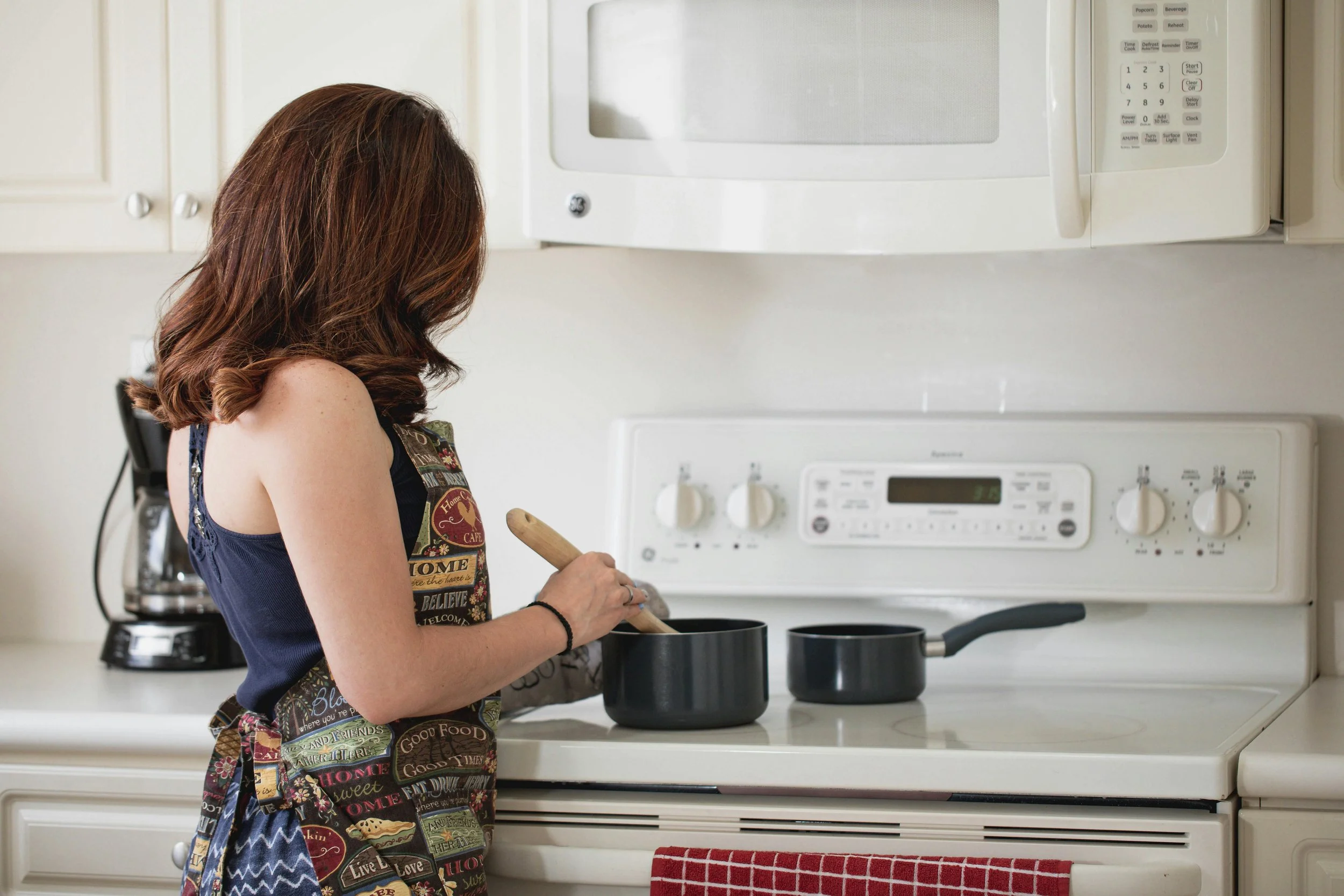
In our communal kitchen, chopping veggies becomes meditation, scents of garlic and herbs chasing away stale cravings. Cooking rebuilds self-care skills, with each successful dish a nod to progress—nutritious fuel for the body healing alongside the mind.
Baking adds whimsy; kneading dough is stress therapy disguised as fun. One baker here joked his scones were “ugly but edible victories,” turning mishaps into laughs and lessons in patience.
Learning a Skill: Knitting or Photography
Knitting circles form cozy bonds, needles clicking like a heartbeat, creating scarves that wrap around more than shoulders—they shield vulnerabilities too. It’s rhythmic, repetitive calm that quiets the inner critic.
Photography captures fleeting beauties—a dewdrop, a sunset—training the eye for hope amid hardship. Residents snap campus life, building albums of “before and after” that celebrate the journey, not just the end.
Music and Sound Exploration
Strum a guitar or hum along in group sessions—music here is raw release, notes weaving through pain like threads in a tapestry. It regulates moods, with studies showing it rivals meds for anxiety relief.
Even passive listening to nature sounds or chimes soothes; one resident found solace in whale calls, far from triggering lyrics, rebuilding trust in rhythm.
Pros and Cons of Starting Hobbies in Early Recovery
| Hobby Type | Pros | Cons |
|---|---|---|
| Mindful Movement (Yoga/Tai Chi) | Boosts endorphins, improves sleep; low-cost and group-friendly for connection. | Initial stiffness or frustration if body feels “off” from withdrawal; requires consistency to see benefits. |
| Creative Expression (Art/Journaling) | Safe emotional outlet, no “right” way; builds self-esteem through creation. | Can stir up buried feelings mid-session; supplies might add minor expense. |
| Nature Connection (Gardening/Hiking) | Grounds you literally and figuratively; free vitamin D from outdoors. | Weather-dependent; physical limits in early detox could sideline you temporarily. |
| Cooking/Baking | Practical life skill, sensory joy; shares well for social bonds. | Kitchen mishaps might trigger perfectionism; time-intensive for beginners. |
| Skill-Building (Knitting/Photography) | Sense of mastery over time; portable for daily practice. | Learning curve feels steep at first; gear like yarn or a basic camera has upfront cost. |
| Music Exploration | Instant mood lift, versatile (solo or group); accessible via apps. | Loud volumes or certain genres might echo past triggers; quiet practice needs space. |
This table highlights balance—hobbies heal, but they’re human, with bumps along the way. At Dunham House, we troubleshoot these, turning cons into growth opportunities.
Comparison: Solo vs. Group Hobbies for Recovery
Solo hobbies shine for introspection, like journaling in a sunlit room, offering privacy to unpack thoughts without eyes on you. They’re ideal early on, when social energy runs low—think gardening alone, coaxing life from seeds as a metaphor for your own rebirth. Pacific Sky Recovery emphasizes their role in self-reconnection.
Group hobbies, though, pack a punch for combating loneliness, a top relapse risk. Joining a book club or Tai Chi circle at Dunham House fosters accountability and laughs—shared stories normalize struggles. One comparison: solo reading builds empathy inward; group discussions extend it outward, doubling emotional gains.
Ultimately, blend them. Start solo to build confidence, then dip into groups for support. It’s like solo hikes evolving into trail buddies—safer, richer paths.
- Solo perks: Flexible timing, deeper personal insights, no performance pressure.
- Group perks: Reduces isolation, mirrors progress in others, sparks motivation through camaraderie.
- Hybrid tip: Alternate days—quiet art one afternoon, evening cooking class the next.
Personal Stories: How Hobbies Transformed Lives at Dunham House
Let me tell you about Sarah, who arrived at Dunham House hollowed out by years of anxiety-fueled binges. Her first hobby? A borrowed camera. Snapping wildflowers on campus walks turned her gaze outward, from self-loathing to wonder. “It was like seeing color again,” she said, her voice cracking with a rare smile. Six months later, her photo exhibit in our common room drew tears—and job offers in graphic design.
Then there’s Mike, a vet wrestling PTSD alongside addiction. Tai Chi started as a joke—”Me, bending like a willow? Ha!”—but those slow flows untangled his rage. He credits it with sleeping through the night for the first time in years, now leading sessions for fellow residents. Light humor crept in too; he’d quip, “If I can balance on one leg without toppling like my old life, anything’s possible.”
These aren’t anomalies. Our community brims with such tales—knitted blankets donated to local shelters, gardens that fed our meals. Hobbies didn’t erase scars; they wove them into stories worth telling. Yours could be next.
Best Tools and Resources: Where to Get Started on Healing Hobbies
Navigational intent met: For yoga mats or knitting kits, check Amazon’s recovery-friendly basics or local Montreal shops like Archambault for journals. Transactional picks? The best beginner yoga app is Down Dog—affordable at $8/month, with guided flows for all levels. For gardening, Seeds of Change offers organic starters shipped quick.
At Dunham House, we loan supplies during stays; post-program, alumni access our resource library. Externally, SAMHSA’s hobby toolkit is gold for free guides. Start small—$20 gets you pencils and paper; the real investment is time.
- Budget tools: Thrift-store paints ($5/set), free hiking apps like AllTrails.
- Premium picks: Canon point-and-shoot camera ($150) for photography pros.
- Freebies: Library books, campus walks, YouTube baking tutorials.
People Also Ask: Common Questions on Healing Hobbies
Pulled from real Google searches, these hit the heart of what folks wonder when starting out.
What activities or hobbies did you turn to during the healing process?
Many at Dunham House leaned on reading for escape—cozy mysteries to quiet the mind—or walking to let thoughts wander safely. One resident swore by puzzles; piecing them mirrored mending her fractured self. It’s personal; experiment till it clicks.
What hobby or activity has helped you in complete healing from trauma?
Gardening tops our list here—nurturing plants teaches patience with your own pace. Art therapy follows, colors voicing the unsayable. A Quora thread echoes this: survivors credit video games for immersive distraction, rebuilding joy pixel by pixel.
How do hobbies help in mental health recovery?
They rewire the brain’s reward system, per Creekside Behavioral Health, slashing stress and sparking purpose. At Dunham, cooking classes turned “I can’t even boil water” into “I fed my friends tonight”—pure empowerment.
What are calming hobbies to restore energy during recovery?
Try cross-stitching for meditative rhythm or audiobooks for passive unwind. NunziaDreams highlights blogging too—venting passions online builds quiet confidence without crowds.
Tips for Sticking with Hobbies Long-Term After Leaving Rehab
Sustaining hobbies post-Dunham House means weaving them into life’s fabric, not letting them fade like gym resolutions. Set micro-goals: 15 minutes daily for knitting, tracking in a app like Habitica. Pair with accountability—text a fellow alum your baking win.
Watch for burnout; if yoga feels like a chore, switch to hiking. Celebrate milestones—a finished scarf earns a coffee treat. Our exit phase preps this: personalized plans linking hobbies to relapse prevention.
Emotional appeal: Remember, these aren’t chores; they’re your rebellion against the old darkness. One resident framed her first journal: “Proof I showed up.” Yours will too.
FAQ: Your Burning Questions on Healing Hobbies
What is the best hobby for beginners in addiction recovery?
Start with journaling—zero cost, total flexibility. It unpacks thoughts gently, as American Addiction Centers recommends for filling sober time. No skills needed; just a pen and honesty.
Where can I find free resources for recovery hobbies near Montreal?
Dunham House’s outpatient in Montreal offers free workshops; also, Bibliothèque et Archives nationales du Québec lends art supplies. Community centers like Maison de la Culture host no-cost classes.
How do I choose a hobby if nothing feels fun right now?
Ease in with “scannings”—list childhood joys, rate 1-5. Low mood? Opt low-energy like coloring books. Therapy helps; at Dunham, we match via interest quizzes.
Can hobbies really prevent relapse?
Yes—Oaks Integrated Care reports they boost purpose, cutting isolation by 35%. They’re buffers, not cures, but stack them with support for solid defense.
What’s a quick win hobby for stress relief in recovery?
Breathwork via apps like Calm—five minutes drops cortisol fast. Pair with tea; it’s ritual without fuss.
As we wrap up, picture this: you, months from now, knee-deep in a garden bed or strumming a forgotten chord, feeling not just okay, but alive. That’s the Dunham House promise—not perfection, but possibility. If this resonates, reach out; our doors (virtual or real) are open. You’ve got the strength; now grab the spark. What’s your first hobby try? Drop it in the comments—let’s build this community one story at a time.