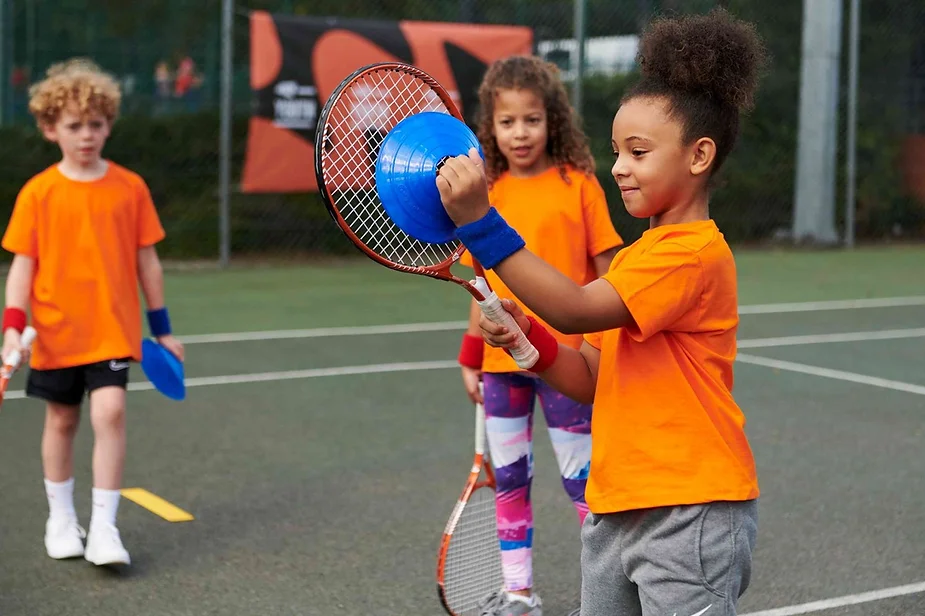

I’ve been lacing up my cleats for pickup games and weekend hikes for years, and let me tell you, nothing beats that rush of endorphins on the field. But I’ve also learned the hard way that skipping the basics can turn a fun match into a painful setback. Staying healthy while playing sports isn’t about being invincible—it’s about smart habits that keep you in the game longer. In this guide, we’ll dive into practical tips drawn from real experiences and expert advice to help you thrive, whether you’re a casual player or a dedicated athlete.
Warm-Up Routines: Your First Line of Defense
Starting any sport without warming up is like jumping into a cold pool without testing the water—shocking and risky. A good warm-up gets your blood flowing, loosens muscles, and primes your body for action, cutting down on strains and pulls. Think of it as waking up your engine before revving it hard.
Dynamic Stretching for Better Mobility
Dynamic stretches involve movement, like leg swings or arm circles, which mimic the sport’s actions and boost flexibility without holding still. They’re ideal before games because they increase heart rate gradually and improve coordination. I once skipped them during a basketball scrimmage and felt stiff right away—lesson learned.
Static Stretching After the Warm-Up
Save static holds, like touching your toes, for later; doing them cold can actually tighten muscles. Post-warm-up, they help extend range without injury risk. Experts recommend 5-10 minutes total to prepare joints and tendons effectively.
Nutrition: Fueling Your Body Right
What you eat powers your performance, much like gas in a car—wrong fuel, and you’re sputtering out mid-race. Balanced meals with carbs, proteins, and fats support energy, repair, and endurance. I’ve experimented with pre-game snacks over the years, finding that a banana with peanut butter beats heavy pasta every time for quick energy without the crash.
Carbs for Sustained Energy
Carbohydrates are your go-to for glycogen stores, essential for high-intensity bursts in sports like soccer or tennis. Aim for whole grains, fruits, and veggies to keep blood sugar steady. Runners often load up on pasta the night before, but moderation prevents bloating—I’ve seen friends overdo it and regret it on race day.
Proteins for Muscle Recovery
Proteins rebuild tissues torn during play, so include lean meats, eggs, or plant-based options post-workout. About 20-30% of your diet should be protein to aid repair and growth. After a tough volleyball session, I swear by Greek yogurt; it’s light yet packs a punch for recovery.
Here’s a quick comparison of pre-sport meals:
| Meal Option | Pros | Cons |
|---|---|---|
| Oatmeal with fruits | Steady energy release, easy to digest | Can feel heavy if portioned large |
| Energy bar | Portable, quick carbs | Often processed with added sugars |
| Smoothie with protein | Hydrating, customizable nutrients | Blenders needed; potential for too much fruit sugar |
Hydration: Don’t Let Thirst Sideline You
Dehydration sneaks up faster than you think, turning a strong game into a dizzy struggle—I’ve bonked during a hike because I underestimated the sun’s toll. Proper hydration maintains performance, regulates temperature, and prevents cramps. Drink before you’re thirsty; your body loses fluids quicker in action than at rest.
Pre-Game Hydration Habits
Start hydrating 2-3 hours before play with 16-20 ounces of water or electrolyte drinks to preload your system. This combats sweat loss from the get-go. For hot days, add a pinch of salt to water—simple trick that saved my marathon training runs.
During and Post-Activity Replenishing
Sip 4-8 ounces every 15-20 minutes during exertion, opting for sports drinks if it’s over an hour to replace electrolytes. After, weigh yourself to gauge fluid loss and drink accordingly. Chocolate milk works wonders for recovery; it’s got the carbs and protein balance pros love.
- Monitor urine color: Pale yellow means you’re good; dark signals drink up.
- Avoid caffeine overload—it can dehydrate subtly.
- For team sports, carry a marked bottle to track intake.
Injury Prevention: Play Smart, Not Hard
Injuries aren’t just bad luck; they’re often avoidable with foresight, like the time I twisted my ankle in soccer from poor footing—proper gear and prep could have dodged that. Focus on technique, rest, and conditioning to minimize risks from sprains to stress fractures. Building resilience keeps you consistent.
Proper Gear and Equipment
Wear fitted shoes, helmets, and pads suited to your sport—ill-fitting stuff amplifies dangers. Check for wear and tear regularly. Where to get quality? Sites like REI offer athlete-tested options with reviews.
Strength Training Integration
Incorporate off-day workouts targeting core and stabilizers to bolster weak spots. Planks and squats prevent common knee issues. Twice weekly sessions build the foundation without overtraining—I’ve added them to my routine and felt more stable on the court.
Pros and cons of strength training for sports health:
- Pros: Enhances power, reduces imbalance injuries, improves endurance.
- Cons: Risk of overdoing it leading to strains; requires guidance for beginners.
Common sports injuries include:
- Sprains (e.g., ankles from twists)
- Strains (muscle pulls from sudden moves)
- Shin splints (overuse in runners)
To avoid them, alternate intensity and rest days.
Recovery and Rest: The Unsung Heroes
Pushing through fatigue is a recipe for burnout, as I discovered after back-to-back games left me sidelined with shin splints. Rest allows muscles to repair and adapt, preventing overuse woes. Prioritize sleep and active recovery for long-term vitality.
Cool-Down Routines Explained
End sessions with light jogging fading to walks, followed by stretches to flush lactic acid. This twice-as-long-as-warm-up phase eases heart rate down gently. Skipping it once led to soreness that lingered—now it’s non-negotiable for me.
Sleep and Active Rest Days
Aim for 7-9 hours nightly; it’s when growth hormones peak for repair. Use rest days for yoga or walks, not total couch potato mode. Emotional appeal here: That refreshed feeling after a good night’s sleep? Pure magic for your next play.
What is active recovery? Gentle activities like swimming that promote blood flow without stress, ideal for athletes balancing schedules.
Mental Health in Sports: Beyond the Physical
Staying healthy means tuning into your mind too—stress can manifest as physical tension, like the knots I got before big tournaments. Techniques like breathing exercises keep you focused and resilient. It’s the full package for peak play.
Mindfulness and Stress Management
Practice deep breaths or visualization to stay calm under pressure. This prevents errors from anxiety. Light humor: Don’t let nerves turn you into a jittery mess; a quick meditation app session grounds you fast. For tools, try apps like Headspace.
People Also Ask
How can I prevent sports injuries? Warm up properly, use correct gear, and build strength gradually to avoid strains and sprains. Focus on technique and rest to stay safe.
What should athletes eat before a game? Opt for carb-rich, easy-digest foods like bananas or oatmeal 2-3 hours prior for energy without gut issues.
How much water do athletes need? Drink 16-24 ounces 2 hours before, then 4-8 ounces every 15-20 minutes during activity to maintain hydration.
Is rest important for sports performance? Yes, recovery builds stronger muscles and prevents overuse injuries—aim for balanced training with off days.
FAQ
What is the best warm-up for team sports?
A 5-10 minute light jog followed by dynamic stretches like high knees prepares your body efficiently. Tailor to the sport for best results.
Where to get nutritional advice for sports?
Consult a registered dietitian or check resources from Johns Hopkins Medicine. They offer tailored plans.
Best tools for tracking hydration?
Reusable bottles with measurement lines or apps like MyFitnessPal help monitor intake during games.
How to recover from a minor sports injury?
Follow RICE (Rest, Ice, Compression, Elevation) and see a doc if pain persists. Gradual return prevents re-injury.
Are supplements necessary for healthy sports play?
Not always—focus on whole foods first, but electrolytes can help in endurance events. Consult pros before starting.
Staying healthy in sports is about consistency and listening to your body—those small habits add up to big wins. Whether preventing a tweak or fueling for glory, you’ve got the tools now. Get out there, play safe, and enjoy the thrill.