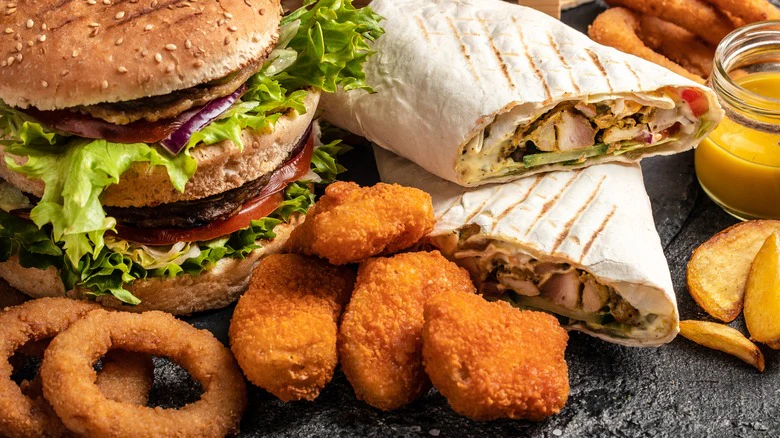
Picture this: It’s a rainy Tuesday evening, and you’re curled up on the couch after a long day. The fridge hums in the background, but instead of reaching for an apple, you grab that family-sized bag of cheese puffs. They crunch satisfyingly, salt dances on your tongue, and for a moment, everything feels right. But what if I told you those puffs aren’t just a harmless treat? They’re ultra-processed foods—UPFs for short—and they’re quietly waging war on your body and brain. I’ve seen it firsthand in friends who swear by drive-thru dinners, only to battle unexplained fatigue or foggy thinking. As someone who’s ditched UPFs after a wake-up call from my own bloodwork, I can attest: the shift isn’t easy, but it’s eye-opening. In this deep dive, we’ll unpack how these sneaky staples sabotage your health, backed by solid science and real stories. Stick around—you might just rethink that next snack run.
What Are Ultra-Processed Foods?
Ultra-processed foods are the heavy hitters of the modern diet: think sodas loaded with high-fructose corn syrup, frozen pizzas slathered in artificial cheese, or sugary cereals masquerading as breakfast. They’re not just chopped veggies or canned beans—these are lab-engineered wonders, packed with emulsifiers, preservatives, and flavor enhancers that make them hyper-palatable. The NOVA classification system, developed by researchers at the University of São Paulo, labels them as group 4: industrial formulations with five or more ingredients, often including stuff like maltodextrin or hydrogenated oils that you’d never stock in your pantry. They’re cheap, convenient, and everywhere—making up over 60% of calories in many American diets. But convenience comes at a cost we’ll explore next.
Spotting them isn’t rocket science. Check labels for long lists of unpronounceable additives or ingredients ending in “-ose” (like dextrose). If it looks more like a science project than food from the earth, it’s likely UPF. And no, not all processed foods are villains—canned tomatoes get a pass—but UPFs? They’re the ones designed to keep you coming back for more.
The Toll on Your Body: Physical Health Under Attack
Your body is a finely tuned machine, and UPFs throw sand in the gears, sparking inflammation, hormonal chaos, and chronic disease. Studies show diets heavy in these foods hike risks for everything from heart attacks to gut disorders, often through sneaky mechanisms like gut barrier leaks and insulin spikes. It’s not about one bag of chips; it’s the daily drip that adds up, turning vibrant health into a slog.
Heart and Vascular Havoc
UPFs flood your system with trans fats, excess sodium, and sugars that stiffen arteries and spike blood pressure. A massive BMJ study tracked over 100,000 people and found those eating the most UPFs faced a 50% higher risk of cardiovascular disease. Imagine your heart pumping harder against plaque buildup—it’s exhausting, and it shows in higher stroke rates too.
This isn’t abstract; my uncle ignored the warnings, living on fast food, until a mild heart scare at 55 forced a menu overhaul. Now, he’s biking trails instead of bingeing burgers.
Gut Microbiome Mayhem
Your gut houses trillions of bacteria that regulate everything from immunity to mood, but UPF additives like emulsifiers (think carrageenan in ice cream) erode the intestinal lining, letting toxins slip into your bloodstream. Result? Dysbiosis—imbalanced flora leading to bloating, IBS, and even autoimmune flares.
I’ve felt this personally: After months of microwave meals, my digestion rebelled with constant discomfort. Swapping in fermented foods like kimchi turned it around, proving the gut’s resilience.
Weight Gain and Metabolic Mess
UPFs are calorie bombs disguised as snacks, tricking your brain into overeating by blunting satiety signals. NIH research links them to obesity, with one trial showing participants gained 2 pounds in two weeks on an 80% UPF diet—purely from munching more. They also fuel insulin resistance, paving the way for type 2 diabetes.
Humor me here: Ever polished off a “low-fat” yogurt only to raid the pantry an hour later? That’s the UPF trap—engineered for endless appetite.
| Health Aspect | Ultra-Processed Foods Impact | Whole Foods Alternative |
|---|---|---|
| Calorie Density | High (easy to overeat) | Lower, more filling fiber |
| Nutrient Profile | Stripped of vitamins/minerals | Packed with antioxidants |
| Inflammation | Promotes chronic low-grade fire | Anti-inflammatory powerhouses |
| Long-Term Risk | +29% obesity odds | Cuts disease by 20% |
The Brain Drain: Neurological Nightmares
If the body hits are a slow burn, UPFs scorch the brain, rewiring reward pathways and fogging cognition. Harvard epidemiologists found high UPF intake correlates with a 28% bump in cognitive decline over four years. It’s like feeding your mind junk mail—clogging the inbox and slowing responses.
Mood Swings and Mental Health Hits
Those sugar crashes? They’re not just hangry vibes; UPFs disrupt serotonin production via gut-brain signals, doubling depression risk per Neurology journal data. Anxiety tags along, fueled by inflammatory cytokines crossing the blood-brain barrier.
A friend described it as “emotional whiplash”—euphoric highs from donuts, followed by soul-sucking lows. Ditching UPFs? Her therapy sessions dropped from weekly to “as needed.”
Cognitive Fog and Decline
Memory lapses, trouble focusing—UPFs accelerate brain aging by gumming up neural connections with advanced glycation end-products (AGEs) from high-heat processing. Virginia Tech’s 2025 study pegged a 17% rise in cognitive issues from just one daily UPF serving.
Ever blank on a word mid-sentence after a cereal binge? That’s the fog. Whole grains and berries cleared mine up fast—sharper than a fresh espresso.
The Addiction Angle
UPFs hijack dopamine like slot machines, creating compulsive eating. Yale’s Dr. Ashley Gearhardt argues they meet addiction criteria: cravings, withdrawal, loss of control. fMRI scans show brain responses mirroring drug cues.
Laugh if you want, but I’ve hidden Doritos like contraband. Breaking free felt like quitting a bad habit—tough, but liberating.
The Science Stack: Evidence vs. Excuses
Dozens of cohort studies paint a grim picture, but skeptics claim correlation isn’t causation. Fair point—until you factor in controlled trials like the NIH’s, where UPF diets caused measurable inflammation spikes in days. Meta-analyses confirm: 10% UPF increase equals 12% higher mortality risk.
Pros of Cutting UPFs:
- Energy Boost: Steady blood sugar means no crashes.
- Weight Stability: Natural satiety curbs portions.
- Longevity Perks: Lower chronic disease odds.
Cons (and Fixes):
- Convenience Dip: Prep time rises—batch-cook on Sundays.
- Social Snags: Party snacks tempt—bring your own crudités.
- Cost Creep: Initial hit, but home meals save long-term.
For deeper dives, check Harvard’s UPF guide. Or explore our beginner’s whole foods roadmap for easy swaps.
Real Stories: Faces Behind the Stats
Stories humanize the science. Take Jeffrey Odwazny, a Chicago guy hooked on UPFs since kidhood—chips and sodas were his comfort. By 30, obesity and low mood ruled his life. A doc’s nudge led to whole-food experiments; pounds melted, clarity returned. “It’s like my brain woke up,” he says.
Then there’s Dr. Kevin Hall, who tested an 80% UPF diet on himself—gained 4 pounds in a month, felt sluggish and bloated. His takeaway? These foods aren’t neutral; they actively disrupt. Or the family in a Wall Street Journal experiment: Ditched UPFs for 30 days, cravings vanished, kids slept better.
These aren’t outliers. On X, users share triumphs like @DrKristieLeong’s thread on gut-brain links, warning how UPFs fuel neuropsych issues. It’s relatable proof: Change is possible, and the payoff? Profound.
Spotting and Sidestepping UPFs: Your Action Plan
Arm yourself with knowledge—UPFs hide in “healthy” halos like protein bars or plant-based nuggets. Scan for red flags: more than five ingredients, artificial colors, or stabilizers.
- Shop Smart: Stick to store peripheries—produce, meats, dairy.
- Read Ruthlessly: Apps beat eyeballing; more on those below.
- Cook Simple: Batch salads or stir-fries; flavor with herbs, not packets.
Where to get fresh starts? Farmers’ markets or Thrive Market for clean staples. For transactional wins, here are top tools:
| App/Tool | Key Feature | Best For | Cost |
|---|---|---|---|
| Processed App | Barcode scans for NOVA scores | Quick grocery checks | Free (in-app buys) |
| Yuka | Additive flags + health scores | Avoiding hidden harms | Free |
| Open Food Facts | Community database, Nutri-Score | Global product intel | Free |
| UPF Detector | Simple iOS NOVA ratings | Minimalist users | Free |
These make ditching UPFs feel like a game, not a grind. Pro tip: Track one week—you’ll spot patterns and celebrate wins.
People Also Ask
Google’s “People Also Ask” bubbles up real curiosities. Here’s the scoop on top queries:
What are ultra-processed foods?
They’re industrial mash-ups like chips, sodas, and ready-meals, loaded with additives for shelf life and crave-factor. Unlike minimally processed oats, UPFs prioritize profit over nutrition.
Are ultra-processed foods bad for you?
Yes, in excess—they amp inflammation, weight, and disease risks. Moderation’s key, but aim under 20% of calories for best health.
What are 5 ultra-processed foods to avoid?
Frozen dinners, sugary cereals, flavored yogurts, instant noodles, and mass-market breads. Swap for home-cooked versions to reclaim control.
How do you know if food is ultra-processed?
Long ingredient lists with chemicals? Bingo. Use NOVA: Group 4 means ultra. Apps like Processed make it foolproof.
Can you eat ultra-processed foods and still be healthy?
Occasionally, sure—but chronic intake erodes vitality. Balance with whole foods; think 80/20 rule for sustainability.
FAQ
Q: How quickly do UPFs affect the brain?
A: Faster than you’d think—days of heavy intake can spike inflammation, fogging focus. Long-term? Years of cognitive wear. Start small swaps today for quicker clarity.
Q: Are there “healthy” UPFs?
A: Few qualify, but some like certain nut bars edge closer if minimally additived. Still, whole nuts win every time—fewer tricks, more benefits.
Q: What’s the best way to quit UPFs cold turkey?
A: Ease in with meal preps and accountability buddies. Cravings peak week one; by two, your taste buds reset to savor real flavors.
Q: Do kids face the same risks?
A: Absolutely—early UPF exposure wires picky eating and metabolic issues. Fun fact: Involving them in cooking builds lifelong habits.
Q: Where can I find UPF-free recipes?
A: Dive into Minimalist Baker for 10-ingredient gems or our UPF-free meal planner—simple, tasty, transformative.
There you have it—the unvarnished truth on UPFs’ double whammy. It’s not about perfection; it’s reclaiming your plate for foods that fuel, not fool, you. That bag of puffs? Let it sit. Your future self—sharper, steadier—will thank you. What’s one swap you’ll try this week? Drop it in the comments; let’s swap stories, not just snacks.