
Hey there, picture this: It’s 1858 in Paris, and a bold Englishman named Charles Frederick Worth is about to flip the script on how the elite get dressed. No more haggling with seamstresses in back alleys—he opens the world’s first haute couture house, where empresses and heiresses flock for custom gowns that scream status. Fast-forward to today, and that spark has ignited a global blaze, blending runway drama with street smarts and sustainability smarts. As someone who’s spent years chasing vintage finds in dusty flea markets and front-row seats at shows (yes, I once spilled coffee on my notebook during a Milan frenzy), I’ve watched high fashion evolve from corseted excess to conscious couture. It’s not just clothes; it’s a mirror to our wild, ever-shifting world. Let’s dive in, shall we? I’ll take you through the twists, turns, and triumphs that make haute couture the ultimate style saga.
The Birth of Haute Couture: From Tailors to Titans
In the mid-19th century, fashion was a whisper among the wealthy, but Worth turned it into a roar. He dressed Empress Eugénie of France, turning his salon into a celebrity magnet and coining the “fashion designer” title. This wasn’t sewing; it was sorcery—lavish silks, intricate beading, all made-to-measure for the elite.
What started as bespoke bliss soon formalized. By 1868, the Chambre Syndicale de la Haute Couture was born, guarding the craft like a secret society. Paris became the undisputed queen city, luring buyers from afar who copied sketches for department stores. It’s wild to think: one man’s vision birthed an industry worth billions, proving style could be both art and empire.
Key Designers Who Redefined the Runway
Charles Frederick Worth: The Father of Modern Couture
Worth didn’t just stitch dresses; he staged spectacles. His 1860s crinolines ballooned like architectural wonders, but he smartly sketched looks for mass copying, democratizing high fashion early on. I once held a Worth-inspired gown at a museum— the weight of that taffeta felt like holding history’s heartbeat.
His legacy? Elevating designers from anonymous artisans to stars. Without him, no red-carpet frenzy.
Coco Chanel: Liberation Through Simplicity
Chanel crashed the party in 1910 with jersey knits and boyish silhouettes, ditching the whalebone prison of corsets. Her 1926 little black dress? A mourning staple turned eternal chic. Funny thing: She borrowed sailors’ sweaters for her early line, turning “poor boy” into posh.
Chanel’s genius was freedom—pants for women, perfumes that outlasted empires. She made luxury wearable, whispering to every woman, “You too can rule the room.”
Christian Dior: The New Look That Shook the World
Post-WWII gloom needed a glow-up, and Dior delivered in 1947 with his “New Look”—nipped waists, full skirts, yards of fabric defying rationing scars. Critics called it betrayal; women lined up for yards. I remember my grandma’s eyes lighting up over faded photos of those Bar jackets—pure joy after hardship.
Dior’s hourglass revolution revived Paris, blending romance with rebellion. It screamed: Fashion heals.
Yves Saint Laurent: Androgyny and Accessibility
YSL took Dior’s throne at 21, then launched his own house in 1962, pioneering ready-to-wear for the masses. His 1966 Le Smoking tux for women? A gender-bending bombshell that said suits aren’t just for suits. Humor alert: He once quipped, “Fashions fade; style is eternal”—while fading into legend.
From safari jackets to ethnic prints, YSL globalized glamour, making high fashion flirt with the everyday.
20th Century Shifts: War, Youth, and Ready-to-Wear
World wars clipped couture’s wings—fabric shortages meant simple shifts over silks—but they birthed resilience. The 1920s flapper frenzy followed, with dropped waists and beaded fringe dancing through the Jazz Age. Then came the 1960s youthquake: Mary Quant’s miniskirt shrunk hems, Yves Saint Laurent’s Rive Gauche boutique made couture crash-landed for the streets.
By the 1980s, power shoulders and neon screamed excess, courtesy of Thierry Mugler and Claude Montana. Ready-to-wear exploded, turning one-off wonders into shelf staples. It’s like fashion traded its corset for jeans—comfy, but still couture-cool.
The Fusion: Streetwear Meets High Fashion
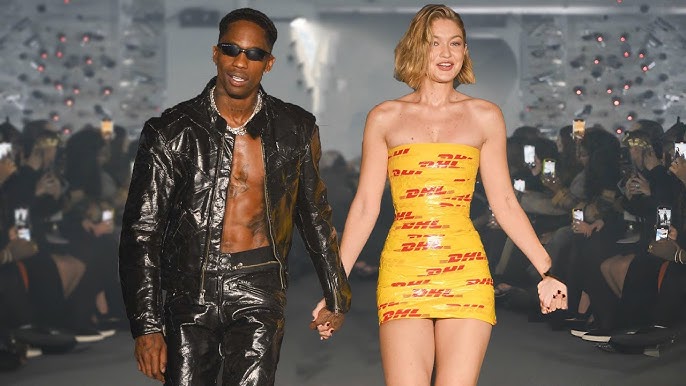
Remember when Supreme hoodies were just skater gear? Enter Virgil Abloh’s Off-White in 2012, blending Supreme drops with Louis Vuitton luxury. By 2017, their collab had billionaires in boxy tees. Balenciaga’s Demna Gvasalia oversized trash bags into totes, proving street grit could strut Paris runways.
This mash-up? It’s high fashion’s punk phase—raw, real, and ridiculously profitable. As a thrift hound, I chuckle: What I scored for $20 now inspires $2,000 frocks.
Sustainability in Couture: Green Threads in Gold
Today’s revolution isn’t just aesthetic; it’s ethical. Stella McCartney’s 2001 vegan leather launch ditched fur, while Iris van Herpen 3D-prints ethereal gowns from recycled ocean plastic. The 2013 Rana Plaza collapse sparked Fashion Revolution Week, urging “Who made my clothes?”
Houses like Chanel now tout upcycled tweeds. It’s emotional: Fashion’s fast lane wrecked rivers, but slow couture mends them—one zero-waste ballgown at a time.
Modern Trends: Tech, Inclusivity, and Bold Silhouettes
Tech-Infused Couture
AI sketches dreams into reality—Resleeve’s tools let designers iterate in hours, not weeks. Fall 2025 saw Schiaparelli’s surrealist bots, blending code with corsetry.
This fusion? It’s couture’s cyberpunk upgrade, where holograms meet hand-stitching.
Inclusivity on the Catwalk
Diversity’s the new black. Harris Reed’s gender-fluid frocks and Pyer Moss’s Black joy anthems shatter molds. Spring 2025’s Valentino nodded to infinite lists of identities, hoods replacing veils for fluid flair.
It’s heartfelt: Fashion finally fits everyone, no alterations needed.
Dramatic Silhouettes and Sheer Drama
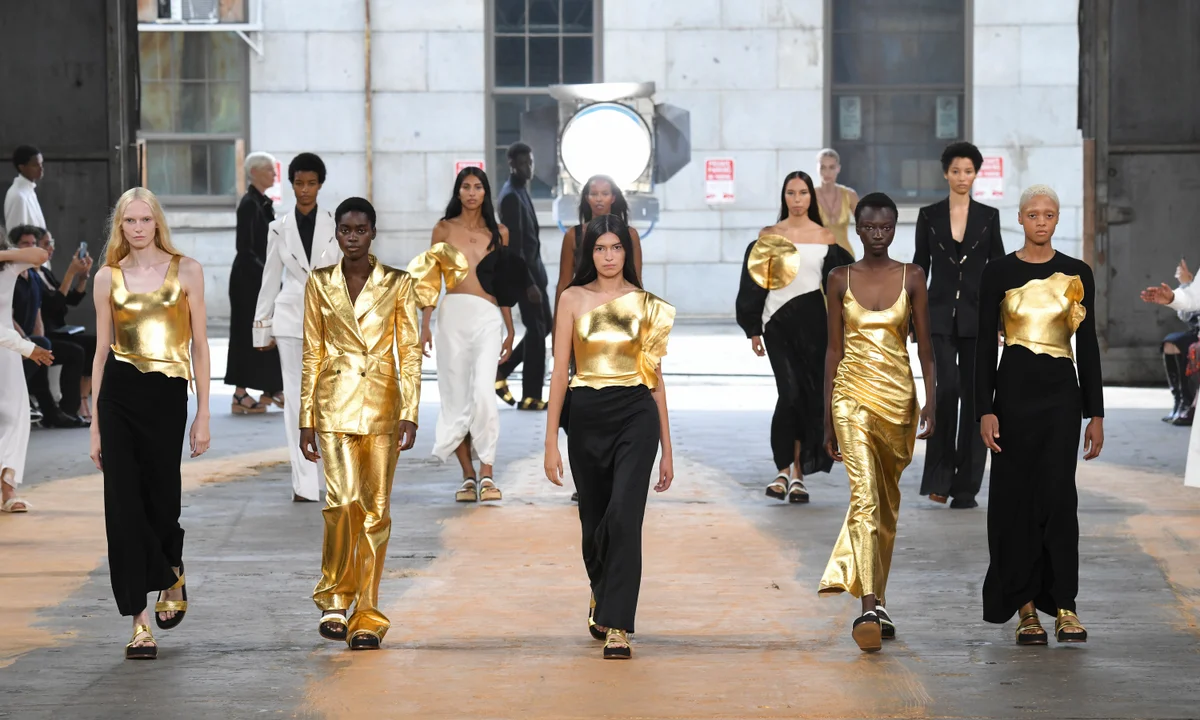
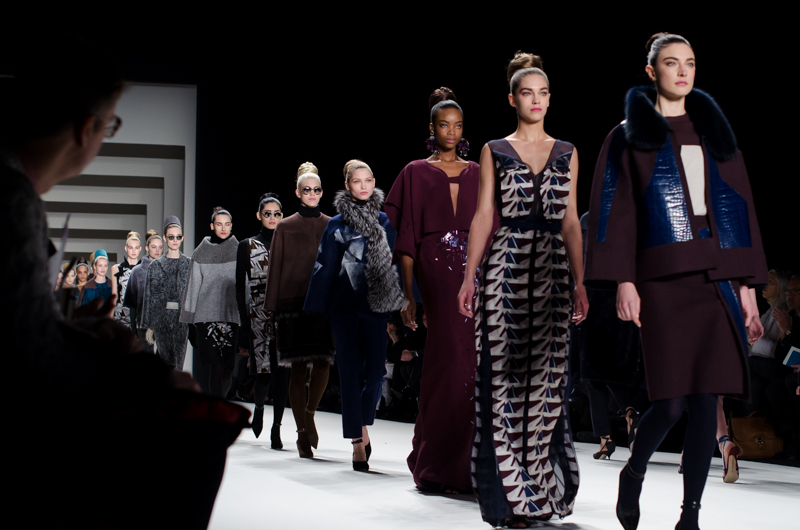
Tiered ruffles cascade like waterfalls at Elie Saab; vivid reds blaze at Armani Privé. Fall 2025’s sculptural hoods and inflated Victor & Rolf experiments scream: Couture’s for dreamers, not the demure.
These looks? Pure theater, turning wearers into walking art.
Pros and Cons of Haute Couture in the Modern Era
| Aspect | Pros | Cons |
|---|---|---|
| Craftsmanship | Unmatched handiwork, heirloom quality | Sky-high costs, limited access |
| Innovation | Pushes boundaries with tech and ethics | Slow production vs. fast fashion’s speed |
| Cultural Impact | Sets global trends, inspires masses | Elitist vibe alienates everyday folks |
| Sustainability | Pioneers eco-materials | Wasteful if not scaled right |
Couture’s double-edged sword: Divine detail versus dollar drama. Yet, its sparkles still outshine the shade.
Comparison: Haute Couture vs. Ready-to-Wear
- Exclusivity: Couture’s one-of-a-kind vs. RTW’s rack-ready copies—think bespoke Ferrari versus Ford.
- Price Tag: $50K gowns scream status; RTW whispers affordability at $500.
- Lifespan: Couture endures generations; RTW trends fade fast.
- Influence: Both shape streets, but couture’s the muse—Chanel’s LBD trickled down from salons to Target.
RTW democratized dreams, but couture keeps the magic alive. Pro tip: Start with RTW icons for that high-fashion fix on a budget.
Where to Get Your High Fashion Fix
Craving couture without the couture price? Hunt vintage at The RealReal for pre-loved Chanel—sustainable and swoon-worthy. For new drops, scour Net-a-Porter for YSL ready-to-wear steals. Navigational gold: Paris’s Couture Week streams free on YouTube—front-row vibes from your couch.
Best Tools for Aspiring Fashionistas
Transactional intent met: Gear up with these for your style revolution.
- Sketching Apps: Adobe Fresco for digital doodles—free tier’s a steal.
- Sustainability Trackers: Good On You app rates brands’ ethics.
- Trend Spotters: Vogue Runway for real-time inspo.
- Thrift Hunters: Depop for street-haute hybrids.
These gems turn hobbyists into pros—I’ve sketched my way from doodles to custom commissions.
People Also Ask
Drawing from Google’s hot queries, here’s the scoop on high fashion’s hot topics.
What is haute couture exactly?
It’s custom-fitted luxury at its peak—handcrafted by skilled ateliers using premium fabrics. Regulated by France’s Fédération de la Haute Couture, only 15-20 houses qualify yearly, like Dior and Schiaparelli.
How has high fashion evolved over time?
From Worth’s 19th-century salons to YSL’s 1960s ready-to-wear, it’s shifted from elite exclusivity to inclusive innovation, blending streetwear and sustainability.
Who are the most influential designers in fashion history?
Icons like Chanel (liberation), Dior (New Look), and McQueen (drama) reshaped silhouettes and society—must-reads include “The Beautiful Fall” for Lagerfeld vs. Saint Laurent rivalries.
Why do fashion trends change so quickly?
Social media accelerates cycles, from TikTok virals to celeb endorsements. Post-2010s, fast fashion’s churn meets couture’s pushback for slower, greener shifts.
Where did high fashion originate?
Paris, hands down—Worth’s 1858 house sparked it, with the Chambre Syndicale sealing its 1868 status as the epicenter of elegance.
FAQ
What sparked the fashion revolution in the 19th century?
Charles Frederick Worth’s couture house in 1858 revolutionized bespoke dressing, turning fashion into a designer-led spectacle that empowered women like Empress Eugénie.
How did World War II change high fashion?
Rationing slashed extravagance, birthing utilitarian chic—but Dior’s 1947 New Look rebelled with opulent yards of fabric, symbolizing post-war hope.
What’s the role of streetwear in modern haute couture?
It injects rebellion: Balenciaga’s oversized hoodies and Off-White’s logos fuse urban edge with atelier finesse, making luxury relatable.
Can sustainable practices thrive in couture?
Absolutely—Stella McCartney’s fur-free ethos and van Herpen’s 3D-printed recycled gowns prove eco-innovation elevates, not eclipses, elegance.
How do I start collecting high fashion on a budget?
Vintage is key: Platforms like Etsy or Vestiaire Collective offer authenticated pre-owned pieces from Chanel to McQueen, blending history with wallet wisdom.
Whew, what a whirlwind—from Worth’s whims to AI’s whimsy. High fashion’s evolution isn’t linear; it’s a love letter to reinvention, urging us to wear our stories boldly. As I slip into my thrifted YSL blazer (scored for $80—score!), I wonder: What’s your style plot twist? Drop a comment; let’s chat couture conspiracies. Until next time, strut like it’s your revolution.