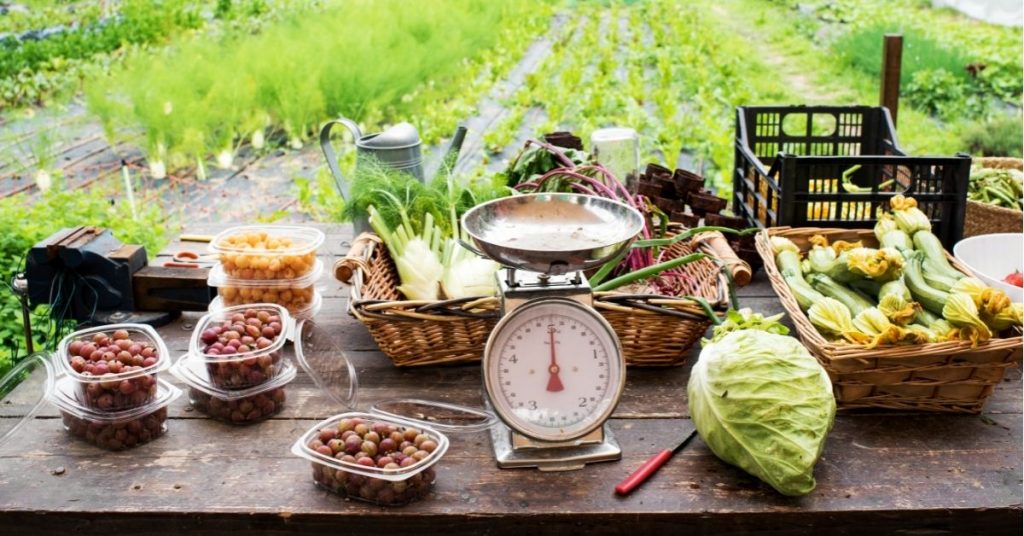
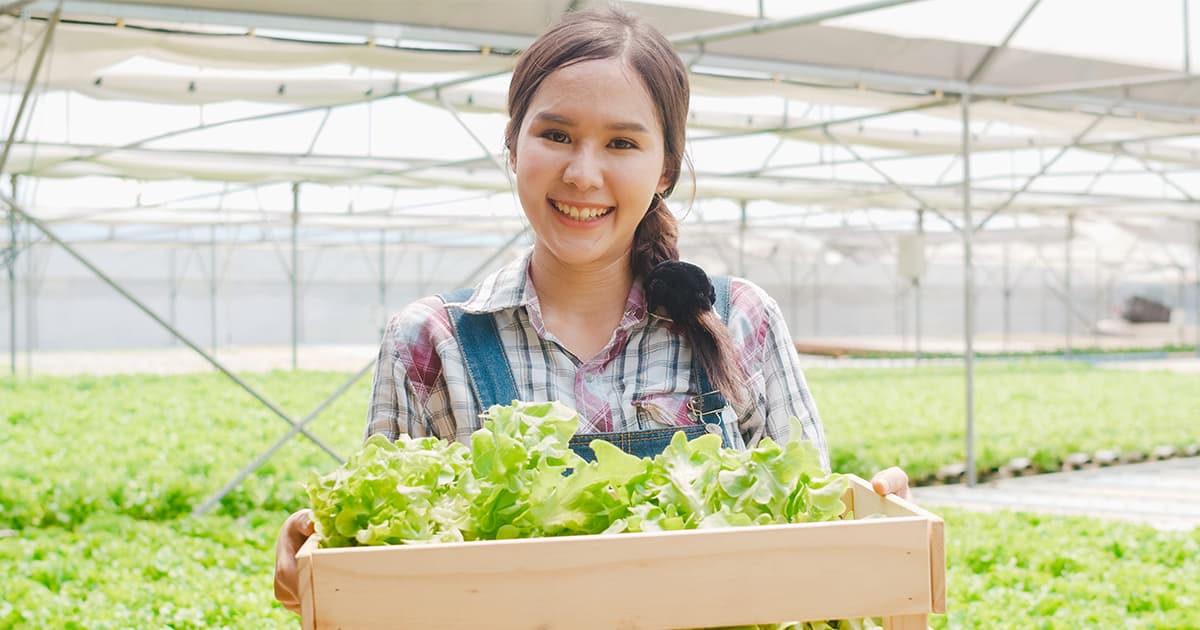
Hey there, friend. Picture this: It’s a crisp autumn morning, and I’m out in my backyard, knee-deep in mud, chasing after a rogue chicken who’s decided the compost pile is her new throne. My first year as a hobby farmer, that bird had me running circles like I was in some low-budget comedy. But you know what? That chaos turned into the best laugh I’ve had in ages—and a dozen fresh eggs by noon. If you’re standing at the edge of this world, wondering if dipping your toes into hobby farming is for you, pull up a chair. I’ve been there, sleeves rolled up and all, turning a patch of grass into something that feeds my family and my soul. Let’s walk through it together, step by muddy step.
What Exactly Is Hobby Farming?
Hobby farming isn’t about quitting your day job to chase tractors across endless fields. It’s that sweet spot where passion meets a plot of land—think small-scale growing and raising, driven by joy rather than a paycheck. We’re talking under 50 acres, often way less, where you might tend a veggie garden, keep a handful of hens, or even dabble in bees, all without the pressure of turning it into a full-blown business.
From my own start five years back, it felt like reclaiming a piece of childhood magic. I grew up with grandparents who had a little setup in rural Ohio, sharing stories over tomato sandwiches. Now, on my two-acre slice in Pennsylvania, it’s my reset button after long weeks in an office. It’s not self-sufficiency on steroids; it’s intentional living, one harvest at a time.
Sure, you might sell a few extra eggs at the local market, but the heart of it? That quiet satisfaction of pulling carrots from soil you nurtured yourself.
Why Jump Into Hobby Farming as a Beginner?
The pull is real—especially these days, when life feels like a nonstop scroll. Hobby farming hooks you with that tangible win: biting into a sun-warmed peach you grew, or watching ducklings paddle in a kiddie pool you rigged up. It’s a rebellion against grocery store sameness, a way to ground yourself in something ancient yet utterly yours.
I remember my “aha” moment during the pandemic, staring at empty shelves and thinking, “Enough of this.” What started as a windowsill herb pot snowballed into a full coop by spring. It’s therapeutic, sure—studies back it up, showing dirt-under-nails time slashes stress hormones—but it’s also empowering. Beginners often find it builds resilience, teaching you to roll with wilted leaves or surprise litters of kits.
And let’s not sugarcoat it: In a world of quick fixes, this is slow magic. It rewards patience, and yeah, a good pair of boots.
Pros and Cons of Starting Your Hobby Farm Journey
Every adventure has its sunny sides and shadow spots, and hobby farming is no exception. On the upside, it’s a health booster—fresh air, homegrown eats, and that endorphin rush from splitting wood or weeding. Financially, it can trim your grocery bill; my setup saves us about $800 a year on produce and eggs. Plus, it’s flexible—no board meetings, just you and the rhythm of seasons.
But here’s the real talk: Time sucks you in deeper than expected. What begins as weekend weeding can eat evenings, especially with animals needing daily checks. Startup costs? They add up—fencing, tools, maybe a used tractor. And weather? It’s the ultimate wildcard, turning your best-laid plans into soup.
To break it down clearer:
| Aspect | Pros | Cons |
|---|---|---|
| Health & Wellness | Fresh food, exercise, stress relief | Physical strain, potential allergies |
| Financial | Cost savings on food, possible side income | High initial investment, ongoing expenses |
| Lifestyle | Flexibility, community building | Time-intensive, unpredictable weather |
| Learning Curve | Skill-building, rewarding failures | Steep start, trial-and-error losses |
Weighing these helped me scale back from “everything at once” to focused wins—like chickens before goats. It’s about what lights your fire.
Getting Started: Your First Steps as a Beginning Farmer
Diving in doesn’t mean bulldozing your backyard overnight. Start small, like I did with raised beds from scrap lumber. Assess your space: How much sun? Soil type? Water access? A simple soil test kit from your extension office—costs under $20—reveals if you’ve got gold or grit.
Zoning’s your gatekeeper; chat with local officials to confirm what’s allowed. No land yet? Community gardens or leased plots are perfect training wheels. Set goals: Veggies for the table? Eggs for neighbors? Write them down—mine’s on a fridge magnet: “Feed family, find joy, no drama.”
Resources abound. USDA’s Beginning Farmer site offers free guides, while books like “The Market Gardener” by Jean-Martin Fortier became my bedtime read. Join forums—Reddit’s r/homestead is gold for newbie tales.
One beginner’s hack: Volunteer at a local farm. I spent Saturdays at a nearby CSA, learning pruning from pros without risking my wallet. It’s hands-on education, minus the heartbreak of your first frost-zapped tomatoes.
Choosing Your Land Wisely
Land’s your canvas, so pick one that sings to you. Aim for 1-5 acres if you’re green—enough room without overwhelm. South-facing slopes catch sun like a champ; flat spots drain well for roots.
Test for contaminants if it’s near old industry—peace of mind’s priceless. I skipped a spot once because of runoff risks; better safe than sorry. Budget $5,000-$20,000 per acre depending on location, but look for “raw” parcels to customize.
Pro tip: Walk it in rain and shine. Muddy boots reveal truths spreadsheets miss.
Budgeting Basics for Newbies
Money talks, but it doesn’t have to yell. Tally startup: $500 for seeds/tools, $1,000 for fencing, up to $10,000 for a basic tractor. Ongoing? Feed, vet bills—$2,000 yearly for my setup.
Track every penny; apps like Farmstand keep it simple. Seek grants—NRCS programs fund conservation tweaks. I bootstrapped with Craigslist finds: a $200 rototiller that’s still humming.
Remember, it’s an investment in sanity, not spreadsheets. Start lean, scale as smiles come.
Essential Tools for the Beginning Hobby Farmer
Tools aren’t just gadgets; they’re extensions of your will. Beginners need versatile picks that punch above their weight. A sturdy wheelbarrow hauls dirt or harvest; mine’s dented from years of loyalty. Hand trowel and pruners? Non-negotiable for precision work.
Power up with a cordless drill for quick coop fixes, and a broadfork for no-till aeration—saves your back long-term. For bigger dreams, rent a tiller first; buying’s a commitment.
Here’s a starter kit, priced for reality:
- Hand Tools: Trowel ($15), pruners ($20), gloves ($10)
- Power Basics: Drill ($50), chainsaw ($100 used)
- Garden Stars: Hose/reel ($40), broadfork ($80)
- Livestock Musts: Bucket feeder ($15), fencing pliers ($20)
Total under $300 gets you rolling. I splurged on quality pruners once—best $20 ever, slicing clean through blackberry brambles like butter.
Best Beginner Livestock Options
Animals add heartbeat to your farm, but ease in. Chickens top my list: Low space (4 sq ft/bird), quick returns (eggs in 6 months). Ducks follow—hardier, pest-munching pros.
Goats charm with milk potential, but they’re escape artists; solid fencing’s key. Rabbits? Quiet, prolific breeders in hutches. Start with 4-6 birds; I did, and those clucks still wake me grinning.
| Livestock | Space Needed (per animal) | Startup Cost | Yield |
|---|---|---|---|
| Chickens | 4 sq ft | $200 (coop + birds) | Eggs/meat |
| Ducks | 6 sq ft | $250 | Eggs/fertilizer |
| Goats | 200 sq ft | $500 | Milk/weeds control |
| Rabbits | 2 sq ft/hutch | $150 | Meat/fur |
Match to your vibe—feathers for fun, hooves for heart.
Top Crops for Easy Wins
Veggies forgive newbie slips. Tomatoes thrive in pots, yielding buckets with staking. Zucchini? Prolific borders on comical—one plant fed my block party.
Leafy greens like kale rotate fast; potatoes store like champs. Herbs—basil, mint—punch flavor without fuss. Succession plant: Sow weekly for steady picks.
My first plot: Carrots, beans, lettuce. Buried treasure every pull, pure kid-like glee.
Real Stories from Beginning Hobby Farmers
Stories stick because they’re us—messy, triumphant. Take Sarah from Reddit’s r/homestead: City transplant, she launched with balcony pots, scaling to a half-acre eden. “First harvest? Wilted spinach. Now? Jars of sauce lining shelves.” Her laugh over failed fences? Infectious.
Or Mike, a retiree I met at a co-op. “Thought goats meant easy milk. Ha—those nibblers ate my shirt!” But his tales of dawn milkings, shared with grandkids, glow with pride. These aren’t glossy mags; they’re soil-stained journals of grit turning to grace.
One emotional kicker: A widow starting post-loss, finding purpose in pollinator beds. “Bees don’t judge; they just buzz on.” Her hives now hum for the neighborhood—proof farming heals.
People Also Ask: Common Beginner Queries
Google’s got the pulse on what keeps new farmers up at night. Here’s the scoop on top curiosities.
How Much Acreage Do I Need for a Hobby Farm?
Most beginners thrive on 1-5 acres—room for gardens, a coop, maybe pasture. Half an acre suits veggies and chickens; scale to dreams. Reddit wisdom: “Start small; land expands in your heart, not wallet.”
Can Hobby Farms Make Money?
Side cash? Sure—eggs at $4/dozen, veggies at markets. But primary income? Rare without scale. Aim for break-even joy; IRS flags “hobby” if losses offset taxes. My tip: Sell surplus, savor the rest.
What’s the Difference Between a Homestead and a Hobby Farm?
Homesteads chase self-reliance—canning, off-grid vibes. Hobby farms lean pleasure: Pets with perks, like show rabbits. Overlap’s huge; I homestead my hobby plot.
Is Hobby Farming Worth It for Families?
Absolutely—kids learn grit pulling weeds, families bond over feasts. But balance: Chores build character, overload breeds burnout. Start shared: “Family egg hunt” mornings.
How Do I Avoid Common Beginner Mistakes?
Overbuy animals (start with 3 hens, not 30). Ignore soil tests (amend early). Skip fencing (chickens roam free… and far). Learn from fails—mine’s a compost of “oops” turned gold.
FAQ: Your Burning Questions Answered
Got queries bubbling? Here are five real ones from forums and chats, straight-talked.
Q: Do I need a lot of experience to start?
A: Nope—enthusiasm trumps expertise. I had zilch beyond dad’s garden stories. Books, YouTube, local extensions bridge gaps. Fail forward; every wilted leaf’s a lesson.
Q: What’s the cheapest way to begin?
A: Raised beds from pallets ($0), seeds from swaps ($5/pack), hand tools from thrift ($20). Borrow/rent big stuff. Community seed libraries? Free goldmine.
Q: How do taxes work for hobby farms?
A: Report income (eggs sold), deduct basics like feed if “for-profit” vibe. IRS Publication 225 spells it—aim 3 profitable years in 5. Consult a pro; mine saved headaches.
Q: Can I do this in a suburb?
A: Often—check HOAs/zoning for coops (many allow 6 hens). Balcony farms count! Urban edges blend best worlds.
Q: What if I hate the work?
A: Pivot—scale back, gift plots. It’s your joy ride; no shame in tweaking. Mine evolved from veggies to bees when arms tired.
Wrapping Up: Your Farm Awaits
We’ve wandered from definitions to dirt, laughs to lessons, and here’s the truth: Hobby farming as a beginner isn’t a checklist—it’s a conversation with the earth. My plot’s no postcard; it’s scarred from storms, richer for it. That chicken chase? Now it’s legend, retold over farm-fresh quiche.
If this stirs something—grab a trowel, sketch a bed, chat a neighbor. The soil’s forgiving, rewards bold hearts. What’s your first plot? Drop a line; I’d love to hear. Here’s to your green-thumbed beginning—may it root deep and bloom wild.