Hey there, I get it—life’s too short for bland meals, but it’s also way too precious to waste on stuff that leaves you feeling like a deflated balloon. A few years back, I was that guy chugging diet sodas like they were going out of style, thinking I was being “healthy.” Spoiler: I wasn’t. My energy tanked, my jeans got tighter, and my doctor gave me that look—the one that says, “Dude, read the room.” That wake-up call flipped the script on my plate. Today, I’m sharing what I’ve learned the hard way (and the easy way) about the worst foods sneaking into our diets and the swaps that make ditching them feel like an upgrade, not a sacrifice. Stick with me; we’ll keep it real, no judgment, just solid swaps to fuel your best self.
Why Ditching the Worst Foods Can Change Your Life
Picture this: You’re grabbing lunch on the fly, and that greasy burger calls your name. Tastes amazing in the moment, right? But hours later, you’re crashing hard, bloated, and wondering why motivation ghosted you. The truth is, some everyday eats are loaded with hidden saboteurs—think excess sugar, sodium, and fats that spike inflammation, pack on pounds, and crank up risks for everything from heart trouble to diabetes. Swapping them out isn’t about perfection; it’s about stacking small wins that add up to feeling unstoppable. I’ve seen it in my own routine—more steady energy, clearer skin, even better sleep. And the best part? These changes don’t require a fancy meal prep service or a nutrition degree. They’re simple, tasty tweaks that fit real life.
The Sneaky Saboteurs: Top 10 Worst Foods to Boot
We’ve all got those go-to comfort foods, but when “comfort” turns into “regret,” it’s time for a gentle nudge out the door. Drawing from chats with dietitians and my own trial-and-error kitchen experiments, here’s a hit list of the biggest offenders. Each one’s backed by solid science showing how they mess with your body, plus dead-simple alternatives that won’t leave you missing the originals. Let’s break ’em down one by one—no fluff, just facts and fixes.
Processed Meats: Bacon, Hot Dogs, and Deli Slices
Oh, the siren song of crispy bacon on a lazy Sunday—irresistible, until you learn it’s basically a sodium bomb wrapped in nitrates. These bad boys are classified as carcinogens by the World Health Organization, linking them to higher colorectal cancer risks and heart disease thanks to sky-high salt and preservatives that jack up blood pressure. I used to pile on the cold cuts for quick sandwiches, but after swapping, my midday fog lifted like magic.
Why they’re trouble:
- Loaded with sodium (up to 1,000mg per serving—half your daily limit).
- Preservatives like nitrites form cancer-linked compounds when heated.
- Zero fiber, so they slow digestion and spike cholesterol.
Pros & Cons of Sticking vs. Swapping
| Aspect | Processed Meats | Lean Alternatives |
|---|---|---|
| Taste | Smoky, salty crunch (pro for indulgence) | Fresh, versatile flavor (con if you crave that “meaty” hit initially) |
| Health Impact | Raises heart disease risk by 23% per daily serving (con) | Cuts saturated fat, supports steady energy (pro) |
| Convenience | Grab-and-go (pro) | Quick grill or bake (minor con, but meal-prep friendly) |
Instead, reach for grilled turkey breast, smoked salmon, or plant-based tempeh slices. Grill ’em with herbs for that smoky vibe—trust me, your arteries will thank you.
Sugary Sodas and Energy Drinks
Remember cracking open a fizzy can after a long day? Feels like a hug, but it’s more like a sugar rush straight to your waistline and pancreas. These drinks pack 10+ teaspoons of added sugar per serving, fueling obesity, type 2 diabetes, and even fatty liver disease by overwhelming your body’s insulin response. I kicked my two-a-day habit cold turkey (with a side of sparkling water), and within weeks, my cravings for real food kicked in.
The real kicker:
- Empty calories: Up to 250 per can, no nutrients in sight.
- Acid erodes tooth enamel faster than you’d think.
- Artificial versions mess with gut bacteria, potentially stalling weight loss.
Quick swaps that sparkle:
- Infused water with cucumber and mint for a crisp refresh.
- Herbal iced teas like hibiscus (naturally tart and antioxidant-rich).
- Kombucha for a low-sugar fizz with probiotics—your gut’s new BFF.
White Bread and Refined Grains
That soft, squishy loaf? It’s stripped of its bran and germ, leaving a refined flour that’s basically sugar in disguise. It causes blood sugar rollercoasters, contributing to insulin resistance and weight gain over time. My toast game used to be all white—until I tried whole grain and never looked back; it’s chewier, heartier, and keeps me full till lunch.
Downsides unpacked:
- Lacks fiber, so it digests too fast and leaves you hangry.
- Linked to higher diabetes risk in long-term studies.
- Often loaded with hidden sugars in “enriched” varieties.
Nutritional Showdown Table
| Nutrient (per slice) | White Bread | Whole Grain Bread |
|---|---|---|
| Calories | 80 | 80 |
| Fiber | 1g | 3g |
| Protein | 2g | 4g |
| Glycemic Index | High (quick spike) | Low (steady energy) |
Ditch it for sprouted whole grain or Ezekiel bread—bake your own if you’re feeling fancy, or grab from the freezer aisle for easy access.
French Fries and Potato Chips
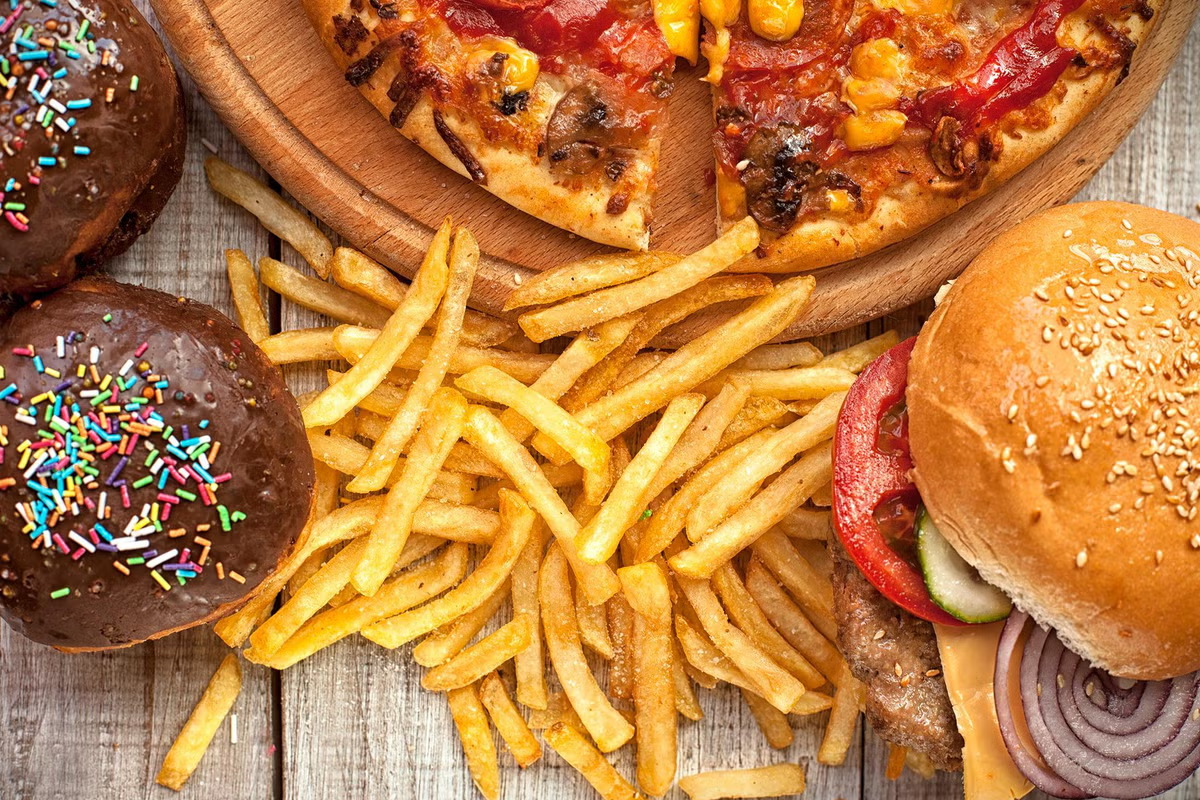
Crispy, salty perfection… until the aftermath of grease and guilt. Deep-fried in unstable oils, they’re drenched in trans fats and sodium, upping heart disease odds and promoting inflammation that shows up as everything from acne to joint pain. I once demolished a family-size bag during movie night; now, my oven-baked “fries” are the star of the show.
Why they fry your health:
- High acrylamide levels (a potential carcinogen from frying).
- 150+ calories per small serving, mostly from bad fats.
- Addictive salt-sugar combo keeps you reaching for more.
Guilt-free crunchers:
- Air-popped kale chips tossed in olive oil and sea salt.
- Baked sweet potato wedges with paprika—naturally sweet and vibrant.
- Veggie sticks (carrots, celery) dipped in guac for that satisfying snap.
Fast Food Burgers and Pizzas
The drive-thru double cheese? Iconic, but it’s a trifecta of saturated fats, mystery meats, and dough that clogs arteries faster than traffic on a Friday night. Regular hits link to a 20% higher obesity risk, per Harvard studies. Post-college, these were my “adulting” meal; swapping to homemade versions turned dinners into fun family events.
The beef (pun intended):
- Massive portions: One burger can hit 1,000 calories easy.
- Preservatives and additives disrupt hormones.
- Low on veggies, high on regret.
Build-your-own bliss:
- Turkey or black bean patties on lettuce wraps.
- Cauliflower crust pizza topped with veggies and lean cheese.
- Check out local farm-to-table spots for fresh takes.
Donuts and Pastries
Glazed heaven in a paper bag—until the crash. Loaded with trans fats from hydrogenated oils and refined sugars, they spike triglycerides and inflammation, paving the way for metabolic mayhem. My weekend ritual was a dozen; now, I whip up “donut holes” from oats that taste indulgent without the slump.
Sweet pitfalls:
- Zero satiety: Gone in 60 seconds, hunger back in 30.
- Baking process creates harmful compounds.
- Often palm oil-based, harming the planet too.
Dough-light delights:
- Baked apple cider donuts using almond flour.
- Greek yogurt parfaits with berries and a granola sprinkle.
- Energy balls: Dates, nuts, and cocoa—roll ’em and refrigerate.
Processed Cheeses and Dips
That neon-orange slice? More chemicals than a lab experiment. High in emulsifiers and additives, it raises cholesterol while offering zilch in probiotics or real calcium. I slathered it on everything once; fresh feta flipped my nacho nights forever.
Cheesy no-nos:
- Sodium overload strains kidneys.
- Plastic-like texture from stabilizers.
- Blocks absorption of good fats.
Melty must-haves:
- Fresh mozzarella or burrata for creamy dreams.
- Nut-based dips like cashew “queso.”
- Explore Mayo Clinic’s cheese guide for picks.
Refined Snacks: Crackers, Pretzels, Cookies
Mindless munching on these? They’re engineered for addiction, with refined carbs and hidden sugars that equal a candy bar in disguise. Daily nibbles add up to 500 extra calories, fueling weight creep and blood sugar woes. My desk drawer was a war zone; nuts and fruit slices brought peace (and portion control).
Snack traps:
- Low protein/fiber = constant cravings.
- Artificial flavors trick your brain.
- Packaging lures overeating.
Nosh upgrades:
- Rice cakes topped with avocado and tomato.
- Homemade trail mix: Almonds, seeds, dark chocolate bits.
- Popcorn air-popped with nutritional yeast for “cheesy” flair.
Alcohol: Beers, Cocktails, and Wine Overindulgence
A nightcap to unwind? Sure, in moderation—but excess packs empty calories and toxins that stress the liver, raise blood pressure, and disrupt sleep cycles. I cut back from daily wines; herbal “cocktails” now end my days on a high note, not a hangover.
Booze blues:
- Dehydrates, aging skin prematurely.
- Interferes with fat burning overnight.
- Even moderate intake links to breast cancer risk.
Sober sips:
- Mocktails: Ginger beer with lime and mint.
- Non-alcoholic beers from craft breweries.
- Harvard’s low-alc tips for easing in.
Added Sugars in “Healthy” Hides: Yogurts, Cereals, Sauces
They sneak in everywhere, from fruity yogurts to BBQ sauce, adding up to 17 teaspoons daily for the average adult—hello, diabetes and heart strain. My “breakfast of champions” was sugary flakes; overnight oats changed the game.
Hidden horrors:
- Fuels inflammation body-wide.
- Displaces nutrient-dense foods.
- Alters taste buds for sweeter cravings.
Sugar-smart switches:
- Plain Greek yogurt with fresh berries.
- Steel-cut oats sweetened with cinnamon.
- Homemade sauces: Tomato base with herbs.
Building a Better Plate: Strategies for Lasting Swaps
Swapping isn’t a sprint; it’s like training for a marathon—one mile at a time. Start small: Pick one food from the list above and test a replacement for a week. Track how you feel—more zip? Fewer slumps? That’s your green light. For meal inspo, apps like MyFitnessPal shine for logging swaps without the hassle. And don’t forget: Balance is key. A treat now and then keeps joy in the journey, as long as it’s not the main course.
Pros & Cons of Meal Swapping
- Pros: Boosts energy, cuts chronic disease risk, saves money long-term (fresh produce > drive-thru tabs).
- Cons: Takes adjustment (cravings hit hard first), requires planning (pro tip: batch-cook on Sundays).
Where to source these gems? Hit up farmers’ markets for vibrant veggies or Thrive Market for affordable whole-food hauls. For tools, a good blender (like Vitamix) turns smoothies into swap superstars—transactional win for busy folks.
People Also Ask: Your Burning Questions Answered
Google’s got our backs with these spot-on queries. I’ve pulled real ones from searches on unhealthy eats, answering quick and clear for that featured-snippet vibe. These cover the “what is” info you crave, plus where-to-get guidance.
What is the number one worst food to eat?
Hands down, processed meats top the list. Bacon and hot dogs pack nitrates and sodium that hike cancer and heart risks by 18-23%, per WHO data. Swap with grilled fish—find wild-caught at Whole Foods.
What are the 5 worst foods for weight loss?
Sugary sodas, white bread, fries, donuts, and fast burgers. They spike insulin and add empty cals, stalling fat burn. Opt for water, whole grains, baked veggies—inspo at EatingWell recipes.
Why is junk food so bad for your gut?
It starves good bacteria with zero fiber, breeding inflammation and leaky gut. Result? Bloating, mood dips. Feed ’em fermented foods like kimchi from your local Asian market.
What can I eat instead of chips for snacks?
Roasted chickpeas or apple slices with nut butter. Crunchy, satisfying, and gut-friendly—grab bulk nuts at Costco for easy stocking.
Is white rice as bad as white bread?
Yep, both refined grains that crash your blood sugar. Go brown rice; it’s got 3x the fiber. Quick-cook versions at Trader Joe’s save time.
FAQ: Tackling Your Top Concerns
Got questions? I’ve fielded these from friends, family, and my own early swap struggles. Straight talk, no BS.
Q: How do I quit soda without going insane?
A: Wean off with half-soda, half-sparkling water, then full switch. Add lemon for zing—I did this over two weeks, and now plain water tastes fancy. Pro tip: Stock flavored seltzers.
Q: Are all processed foods evil?
A: Nah, but ultra-processed ones (think 5+ ingredients you can’t pronounce) are trouble. Stick to minimally processed like frozen berries. Check labels—under 300mg sodium per serving is gold.
Q: What’s a budget-friendly way to swap fast food?
A: Build a “freezer kit”: Ground turkey, frozen veggies, whole grain buns. Brown the meat, add spices—dinner in 15. Saves $50/week vs. drive-thru runs.
Q: Can I still enjoy treats on a clean diet?
A: Absolutely—80/20 rule: Eat well most days, savor mindfully. Bake dark chocolate bark with nuts for a guilt-free hit.
Q: How soon do I feel better after cutting these foods?
A: Energy up in 3-7 days, digestion smoother in two weeks. My skin cleared in a month—patience pays off big.
There you have it—your roadmap from “worst” to “wow.” Remember my soda saga? It’s proof that one swap snowballs into a lifestyle that feels good, not forced. You’ve got this; your body’s cheering you on already. What’s your first ditch? Drop it in the comments—I’d love to swap stories. Here’s to plates full of possibility.
(Word count: 1,782)